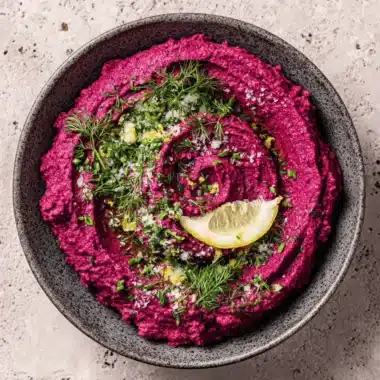

If you’ve ever felt like your dip game needed a little something extra, I have just the recipe for you. This beet hummus is an absolute showstopper, with a vibrant, gorgeous color that instantly brightens up any table. But it’s not just about looks; the flavor is incredible, too, balancing earthy sweetness with creamy, savory goodness.
I know making things from scratch can sometimes feel intimidating, especially when life is busy. But trust me, this recipe is designed to be stress-free and rewarding. I’m going to walk you through every step, from roasting the beets to achieving that unbelievably smooth texture. This is your ultimate guide to making the most delicious, creamy, and beautiful beet hummus you’ve ever had.
Why You’ll Love This Ultra-Creamy Beet Hummus
I’ve made many delicious hummus recipes in my day, and this beet version has become a true favorite in my kitchen. It’s one of those recipes that feels special but is secretly so simple to put together.
- Unbelievably Creamy Texture: I have a secret trick for the chickpeas that makes this hummus exceptionally smooth, no peeling required. It creates a velvety, luxurious texture that’s better than any store-bought version.
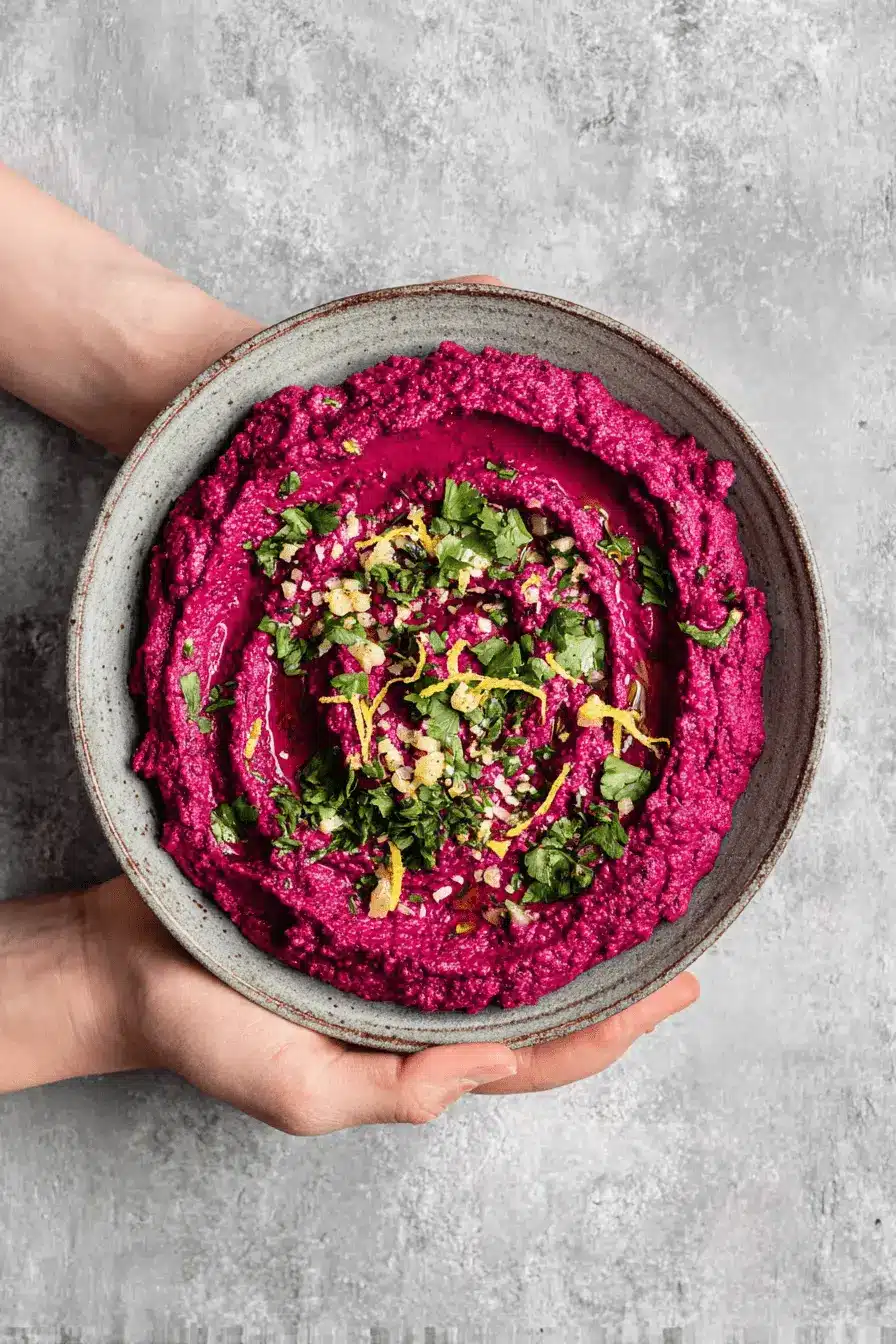
- Stunning, All-Natural Color: That gorgeous magenta hue comes entirely from roasted beets. It’s a natural work of art that makes any appetizer spread look instantly more impressive.
- Perfectly Balanced Flavor: This isn’t just a pretty dip. The earthy sweetness of the beets is perfectly balanced with tangy lemon, nutty tahini, and warm spices for a flavor that is complex and completely delicious.
- Foolproof and Forgiving: I’ve broken down the steps to make them simple for any skill level. Whether you’re a kitchen pro or just starting out, you can make this recipe with confidence.
Ingredient Deep Dive: Secrets to the Best Beet Hummus
The magic of this hummus comes from a few key ingredients working together perfectly. Understanding their roles will help you nail the recipe every time. The most important one might just be the tahini. A good-quality tahini should be smooth, pourable, and have a rich, nutty flavor, not a bitter one. Look for brands where the oil hasn’t separated too much.
For the star of the show, the beets, you can use classic red beets for that iconic vibrant pink color and earthy taste. If you find golden beets, they will give the hummus a beautiful sunny yellow color and a slightly milder, less earthy flavor. Both are delicious, so it just depends on the look and taste you’re going for.
Finally, let’s talk about the secret weapon for creaminess: baking soda. When you simmer the chickpeas with a little baking soda, it helps break down their skins. This small scientific step is the key to achieving an ultra-smooth, velvety puree without the tedious task of peeling each chickpea by hand.
Beet Prep Mastery: Roasting & Peeling Tips for Vibrant Color
Roasting the beets is what brings out their natural sweetness and deepens their flavor. When you’re at the store, look for beets that feel firm and heavy for their size, with smooth skin. To prep them, just give them a good scrub under water to remove any dirt.
To avoid the beets “bleeding” and losing their vibrant color, trim the leafy greens but leave about an inch of the stem attached. Don’t trim the long, skinny root at the bottom, either. A little olive oil rubbed over the skin before roasting helps them cook perfectly. Wrapping them in foil or using a covered dish traps the steam, making them tender and juicy. Once they’re fork-tender, peeling is surprisingly easy. Let them cool just enough to handle, then run them under cool water. The skins should slip right off with your fingers. I recommend wearing food-safe gloves for this part to keep your hands from getting stained.
Ingredients
- 1 small-medium beet (~5 ounces / 140g) (Note 1)
- 1 (15-ounce / 425g) can chickpeas, drained and rinsed (Note 2)
- 1/4 teaspoon baking soda
- Heaping 1/3 cup (90g) good-quality tahini (Note 3)
- 1 large lemon, zested and juiced (~3 Tbsp juice), more as needed
- 3 garlic cloves, chopped
- ¼ teaspoon ground cumin
- ¼ teaspoon ground coriander
- 1 heaping teaspoon kosher salt
- Freshly cracked black pepper
- ½ tablespoon extra virgin olive oil (optional, for richness)
- For Serving (optional):
- Extra virgin olive oil
- 1 tablespoon Za’atar (optional; store-bought or homemade, see Note 4)
- Chopped flat-leaf parsley
- Homemade toasted pita chips, warm pita or flatbread, crackers, or crudités (see Note 5)
Instructions: How to Make Foolproof Beet Hummus
- Prep the beet(s). Preheat the oven to 425°F (218°C). Trim off any beet greens and most of their attached stalks (leave some of the stalk intact to prevent beets from “bleeding” in the oven). If the beets have any skinny tails, don’t trim them, as it results in less juicy beets. Wash and scrub the beets.
- Roast the beet(s). Rub beets with a bit of olive oil so they have a thin coating. Transfer to an ovenproof baking dish or ovenproof pan for which you have a tight-fitting lid. Add ½ cup (120 mL) water, and cover tightly with foil or the lid. Roast for 445 to 60 minutes, or until fork-tender (medium-sized beets usually take 60 minutes; small beets 45 minutes). While still warm but not hot, run the beets under cool water and peel off the skins (they’re easier to peel when warm). Wear food-safe gloves to avoid temporarily staining your hands. Cut the stems off and discard. Roughly chop the beets.
- Simmer the chickpeas. Add the drained and rinsed chickpeas to a saucepan, cover with an inch or two of water, and add 1/4 teaspoon baking soda. Bring to a boil over high heat, then reduce the heat to maintain a rapid simmer for 20 minutes, or until the chickpeas start falling apart.
- Drain and rinse cooked chickpeas. Remove any loose skins, but no need to peel the rest. Transfer chickpeas to a food processor or small-capacity high-powered blender (Note 6). Blend for 1 to 2 minutes until you have a smooth puree, scraping down the sides as you go.
- Blend the hummus. Add the cooked beet, tahini, 2 teaspoons lemon zest, all of the lemon juice, garlic, cumin, coriander, ½ heaping teaspoon kosher salt, and pepper to taste. Add the olive oil for a richer mouthfeel. Blend until smooth, scraping down the sides with a silicone spatula as you go. Check the consistency. To make it a bit looser, add 1 tablespoon of ice water and blend again. If you prefer a thicker texture, omit.
- Season and Serve. Once you reach your desired texture, taste for seasonings, adding more salt, lemon zest, lemon juice, garlic, or cumin/coriander as needed.
- Transfer the hummus to a large plate and use the back of a spoon to make waves or to make a well in the center. Drizzle with olive oil in the well and garnish with Za’atar if using, cilantro or parsley, and a pinch of flaky salt.
Equipment Spotlight: Food Processor vs. High-Speed Blender
You can absolutely make amazing homemade hummus with either a food processor or a high-speed blender, but there are slight differences. A food processor is my usual go-to because its wide base and S-blade are great for processing thick mixtures like hummus. It’s forgiving and makes it easy to scrape down the sides to ensure everything is well combined.
A high-speed blender (like a Vitamix or Blendtec) can create an even silkier, smoother texture due to its power. However, the mixture can sometimes get stuck under the blades, so you’ll need to stop and scrape the sides down more frequently. Using the blender’s tamper tool is a huge help here. If the hummus is too thick for your blender, adding a tablespoon of ice water can help it move more freely.
Troubleshooting Your Beet Hummus: Common Problems & Solutions
Even the simplest recipes can have little hiccups, but don’t worry, they’re all fixable! If your hummus isn’t as smooth as you’d like, it’s likely because the chickpeas weren’t broken down enough. Make sure you simmer them with the baking soda until they’re very soft and falling apart before blending.
Is the texture off? If it’s too thick, blend in a tablespoon of ice-cold water at a time until it reaches your desired consistency. If it’s too thin, you can add a little more tahini or even a few extra chickpeas to thicken it back up.
If the flavor isn’t quite right, taste and adjust. Too bitter could mean your tahini isn’t the best quality, but you can balance it with a little more lemon juice or a pinch of salt. If it tastes too garlicky or sour, a bit more tahini can help mellow those flavors out.
Flavor Adjustments: Customize Your Beet Hummus
This recipe is a fantastic starting point, but the best hummus is the one that tastes perfect to you. I encourage you to taste as you go and make small adjustments. Start with the amounts in the recipe, then blend and taste.
If you love a zesty kick, add another teaspoon of lemon juice. If you prefer a richer, nuttier flavor, you might add another tablespoon of tahini. For a warmer, spicier dip, a pinch more cumin or coriander will do the trick. Remember to add these in small increments, blend again, and taste before adding more.
Creative Ways to Serve Beet Hummus (Beyond the Dip)
While I love serving this with warm pita or crunchy veggies, beet hummus is far too versatile to be just a dip! Its vibrant color and amazing flavor can elevate so many other meals.
Try spreading it on a sandwich or in a wrap instead of mayonnaise for a flavorful and healthy boost. I love it on toast with a sprinkle of feta and fresh herbs for a quick lunch. You can also thin it out with a little water and olive oil to create a stunning salad dressing. Or, for a beautiful and satisfying grain bowl, use a big dollop of beet hummus as the base.
Storage & Make-Ahead Tips for Beet Hummus
This hummus is perfect for making ahead of time. You can store it in an airtight container in the refrigerator for up to 5 days. To keep it fresh, I like to pour a thin layer of olive oil over the surface before sealing the container. This creates a barrier that prevents it from drying out.
You can also freeze it! The texture might change slightly upon thawing, but it’s still delicious. Freeze it in an airtight container, leaving a little space at the top for expansion. When you’re ready to eat it, let it thaw in the refrigerator overnight. Give it a good stir, and if needed, you can revive the texture by blending it for a few seconds with a tiny bit of water or olive oil.
Frequently Asked Questions about Beet Hummus
Can I make this oil-free?
Yes, you can. The olive oil adds a bit of richness to the mouthfeel, but you can omit it entirely. The hummus will still be creamy and delicious without it.
Can I use pre-cooked, packaged beets and what’s the trade-off?
You can definitely use pre-cooked beets to save time. The main trade-off is flavor. Roasting beets from scratch concentrates their sweetness in a way that pre-cooked beets can’t match. If you do use them, look for ones that are packed in water, not vinegar.
What types of beets are best for color and flavor?
Red beets will give you that classic, deep magenta color and an earthy-sweet flavor. Golden beets will create a beautiful yellow hummus with a milder, less earthy taste. Both are excellent choices.
How does freezing affect the texture?
Freezing can sometimes make the hummus a little grainier after it thaws. You can usually fix this by giving it a quick blitz in the food processor or stirring it vigorously with a splash of olive oil to make it creamy again.
Can I substitute other beans for chickpeas?
While chickpeas are classic for hummus, you can experiment. Canned cannellini beans would be the best substitute, as they are also creamy and have a mild flavor that would work well with the beets.
Conclusion
I hope you feel excited and ready to bring this stunning beet hummus to life in your own kitchen. It’s more than just a recipe; it’s a simple way to add a pop of color, a burst of flavor, and a little bit of joy to your table. Cooking should be about comfort and confidence, and this foolproof recipe is designed to give you both.
So go ahead and make a batch! I would absolutely love to see how it turns out. Please leave a comment below to let me know what you think, or share your favorite way to serve it. And if you share a photo on social media, be sure to tag me at @AishaRecipes
Beet Hummus
Ingredients
Equipment
Method
- Preheat the oven to 425°F/218°C. Trim and wash the beet, leaving some stalk intact.
- Rub the beet with olive oil, transfer to a lidded baking dish with 1/2 cup water, and roast for 45-60 minutes until fork-tender. Peel and roughly chop the warm beet.
- Add drained and rinsed chickpeas to a saucepan, cover with water, add 1/4 teaspoon baking soda, and simmer for 20 minutes until very soft.
- Drain the cooked chickpeas, removing any loose skins, then transfer to a food processor or high-powered blender and blend for 1-2 minutes until smooth.
- Add the chopped beet, tahini, lemon zest, lemon juice, garlic, cumin, coriander, 1/2 heaping teaspoon kosher salt, pepper, and optional 1/2 tablespoon olive oil to the blended chickpeas.
- Blend until smooth, scraping down the sides; add 1 tablespoon of ice water for a looser consistency if desired.
- Taste and adjust seasonings as needed, adding more salt, lemon, garlic, or spices to your preference.
- Transfer the hummus to a large plate, make a well in the center, and drizzle with extra virgin olive oil.
- Garnish with Za’atar (if using), chopped flat-leaf parsley, and a pinch of flaky salt, then serve with dippers.