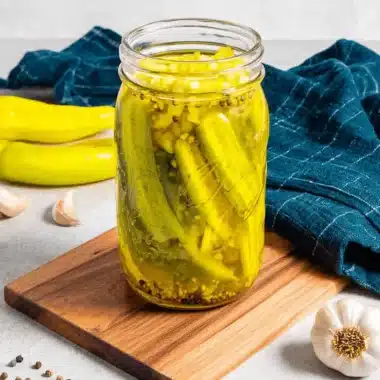

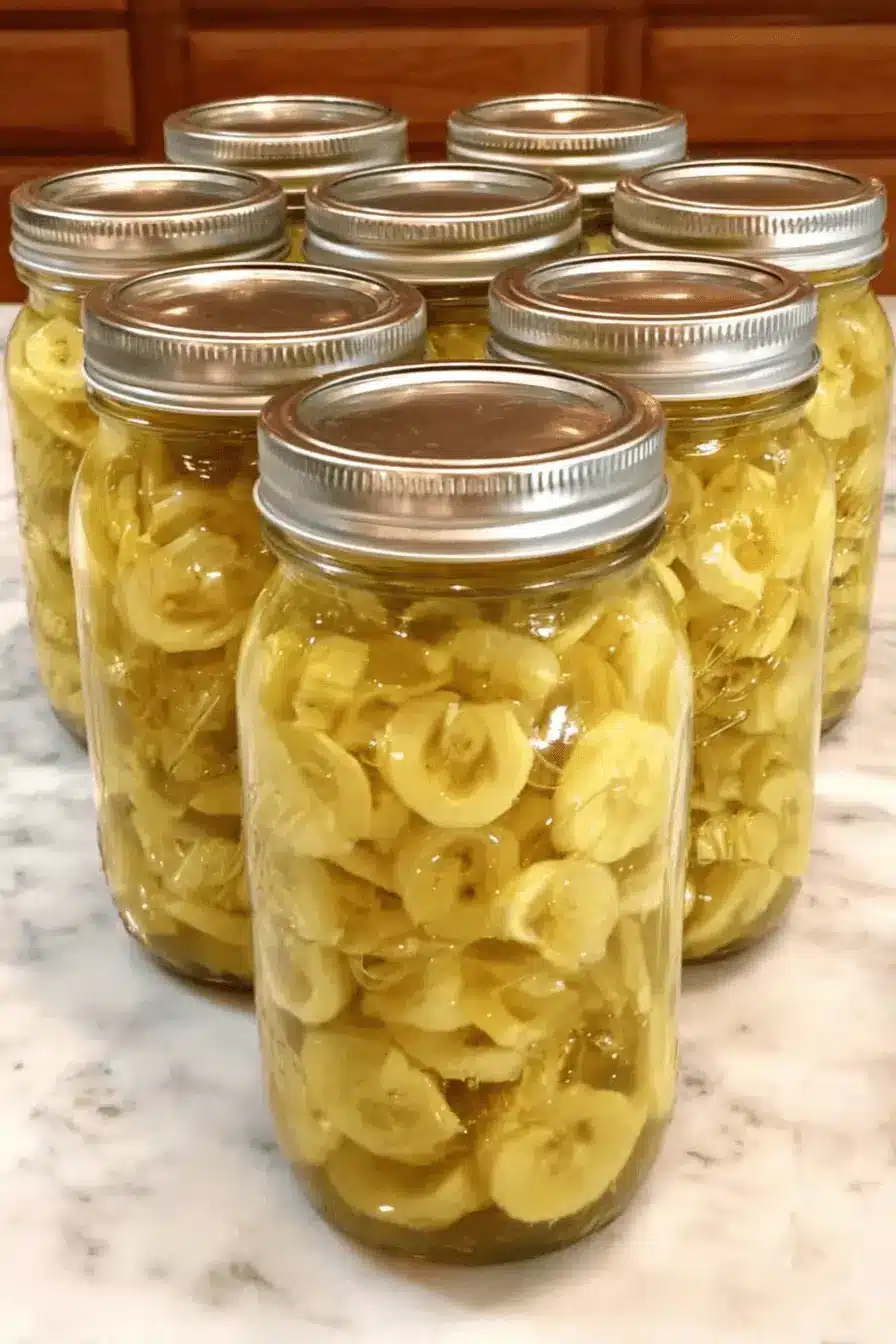
Every summer, my garden seems to explode with banana peppers, and I’m faced with that familiar, wonderful problem: what to do with all this deliciousness? I remember my first time canning, feeling a mix of excitement and intimidation. But let me tell you, there’s nothing more satisfying than seeing those beautiful jars lined up on the shelf, ready to bring a pop of flavor to meals all year long.
I created this guide to be the friend I wish I had in the kitchen back then. It’s everything you need to know to safely and confidently can your own banana peppers. Whether you’re a seasoned pro or this is your very first time, I promise you can do this. We’ll walk through it step-by-step, and you’ll end up with a pantry full of tangy, crisp peppers that taste so much better than anything from a store.
Why Preserve Your Own Banana Peppers? The Aisha Recipes Advantage!
Making your own pickled banana peppers is one of those small kitchen victories that feels huge. It’s about more than just preserving food; it’s about creating something special with your own hands.
- Unbeatable Flavor and Crunch: When you make them yourself, you get to decide how they taste. My recipe strikes the perfect balance of tangy and sweet, and the peppers stay wonderfully crisp. You just can’t get that same fresh-from-the-garden flavor in a store-bought jar.
- You Control the Ingredients: Say goodbye to weird preservatives and hello to simple, wholesome ingredients. You know exactly what’s going into your jars: just peppers, vinegar, sugar, and spices. It’s food you can feel good about.
- Save Money, Stock Your Pantry: A big harvest from the garden or a great deal at the farmer’s market can turn into a treasure trove for your pantry. Canning a batch of peppers is incredibly cost-effective and so rewarding on a cold day when you can just grab a jar of summer goodness.
- The Joy of DIY: Honestly, the feeling of accomplishment is the best part. Lining up those finished jars is so satisfying, and they make incredible, thoughtful gifts for friends and family.
Essential Equipment for Safe Water Bath Canning Banana Peppers
You don’t need a lot of fancy gear to get started with canning, but having the right tools makes the process safer, easier, and much more enjoyable. Think of these as your canning starter kit.
- Water Bath Canner with Rack: This is a large, deep pot with a rack on the bottom. The rack is crucial because it keeps the jars from touching the bottom of the pot directly, allowing water to circulate for even heating and preventing breakage.
- Canning Jars, Lids, and Bands: You’ll need glass preserving jars (like Ball or Kerr brands) with two-part lids: a flat lid with a sealing compound and a screw-on band. Always use new flat lids for every batch to ensure a safe seal.
- Jar Lifter: This tool looks like a pair of wide, rubber-coated tongs. It’s designed to safely lift hot, slippery jars out of boiling water without burning your hands. This is a must-have for safety.
- Canning Funnel: A wide-mouthed funnel that fits perfectly into the jar openings. It helps you pour the hot brine into the jars without spilling it all over the rims, which is key for getting a good seal.
- Bubble Remover/Headspace Tool: This is often a simple plastic stick with notches for measuring. You’ll use one end to slide down the inside of the jar to release trapped air bubbles and the other to measure the headspace (the space between the food and the top of the jar).
- Kitchen Towels: You’ll need clean towels for wiping jar rims and for setting your hot jars on to cool.
I’ve linked some of my favorite canning tools on my shop page to help you get started!
The Science of Safe Canning: Why 5% Acidity Vinegar is Non-Negotiable
This might be the most important part of this whole guide, so let’s talk science for a second, but I’ll keep it simple. The reason we can safely store pickled banana peppers on a shelf is because of acidity. The acid in the vinegar creates an environment where harmful bacteria, like the kind that causes botulism, simply cannot grow.
For water bath canning to be safe, the brine must be acidic enough. That’s why you must use commercially prepared vinegar that is clearly labeled with at least 5% acidity. This is not the place to use homemade vinegars or ones with unknown acidity levels. Using a vinegar with less than 5% acidity will not create a safe enough environment, and the food will not be shelf-stable. It’s a simple rule that keeps your delicious canned goods safe to eat.
Ingredients for Your Delicious Pickled Banana Peppers
Here is my tried-and-true recipe for the most delicious pickled banana peppers. It’s simple, straightforward, and perfectly balanced.
- 2 cups white vinegar
- 2 cups apple cider vinegar
- 1 cup sugar
- 1 teaspoon mustard seed
- 1 teaspoon celery seed
- 1 pound banana peppers, tops removed then sliced into rings ((see my notes below about the seeds))
Quick Pickling Method (Refrigerator Banana Peppers)
If you want to enjoy your peppers right away and plan to store them in the fridge, this quick pickle method is perfect. Please remember, this method is NOT for shelf-stable canning. These pickles must be kept refrigerated.
- Bring the vinegar, sugar, mustard seed and celery seed to a rolling boil.
- Pour brine over peppers to within ½” of the top.
- Wipe off the rim and put lid and ring on. Allow to cool then put in the refrigerator.
- Leave for 1 week or longer to let peppers marinate (if you can wait that long!)
For peppers you can store in your pantry, you must follow the full water bath canning steps below.
Step-by-Step Water Bath Canning Banana Peppers Guide
Ready to fill that pantry? Let’s walk through the process for making shelf-stable pickled banana peppers. Take it one step at a time, and you’ll be a canning pro in no time.
- Prepare Jars and Lids: Wash your jars, lids, and bands in hot, soapy water and rinse well. Inspect the jars for any nicks or cracks. To keep the jars hot and prevent them from breaking when you add the hot brine, I like to place them on the rack in my water bath canner, fill it with water, and keep it at a simmer while I work. Place the flat lids in a small saucepan of hot (not boiling) water to soften the sealing compound.
- Prepare the Peppers: Wash your banana peppers thoroughly. I recommend wearing gloves while you work, as even mild peppers can irritate your skin. Slice off the tops and cut the peppers into rings about ¼-inch thick. You can leave the seeds in for a bit more heat or remove them for a milder flavor; it’s totally up to you!
- Prepare the Brine: In a large, non-reactive pot (like stainless steel), combine the white vinegar, apple cider vinegar, sugar, mustard seed, and celery seed. Bring the mixture to a rolling boil, stirring to dissolve the sugar. Keep the brine hot.
- Pack the Jars: Using your jar lifter, carefully remove one hot jar from your canner. Using the canning funnel, pack the banana pepper rings tightly into the jar. Packing them tightly helps prevent them from floating to the top after processing.
- Fill Jars with Brine: Ladle the hot brine over the peppers in the jar, making sure the peppers are completely covered by the liquid.
- Remove Air Bubbles (De-bubbling): Slide your bubble remover tool (or a wooden chopstick) around the inside of the jar to release any trapped air bubbles. Air pockets can affect the safety and quality of your final product.
- Check Headspace: Headspace is the empty space at the top of the jar. It’s crucial for creating a vacuum seal. Use your headspace tool to measure and ensure you have exactly ½ inch of space between the top of the brine and the rim of the jar. Add more brine if needed.
- Wipe Rims: Take a clean, damp cloth and wipe the rim of the jar thoroughly. Any tiny bit of food or brine on the rim can prevent the lid from sealing properly.
- Apply Lids and Bands: Center the flat lid on the clean jar rim. Screw on the band until it is “fingertip-tight.” This means just tight enough that your fingertips can’t turn it anymore. Don’t overtighten, as air needs to escape during processing.
- Process in Water Bath Canner: Carefully place the filled jar back into the canner using your jar lifter. Repeat until all jars are filled. Make sure the water covers the jars by at least 1-2 inches. Put the lid on the canner and bring the water to a full, rolling boil.
- Processing Time: Once the water is at a rolling boil, start your timer. Process pint jars for 10 minutes. (Be sure to adjust for your altitude, see my chart below!)
- Remove and Cool Jars: When the time is up, turn off the heat and remove the canner lid. Let the jars sit in the hot water for 5 minutes to acclimate. Then, use your jar lifter to remove the jars and place them on a towel-lined countertop. Leave them undisturbed for 12-24 hours. You might hear a satisfying “ping!” sound as they seal.
- Check Seals: After 24 hours, check the seals. The lid should be curved downward and not move when you press on it. You can also remove the band and gently try to lift the jar by the lid; it should be stuck on tight. If any jar didn’t seal, just pop it in the fridge and eat it within a few weeks.
- Wash, Label, and Store: For the sealed jars, wash the outside to remove any sticky residue, then label them with the contents and the date. Store them in a cool, dark place like a pantry or cupboard.
Adjusting Processing Times for Altitude When Canning Banana Peppers
If you live at a high altitude, you need to add more time to the canning process. Water boils at a lower temperature the higher you go, so you need that extra time to ensure everything is heated properly and safely.
| Your Altitude | Additional Processing Time |
|---|---|
| 0 – 1,000 feet | 0 minutes |
| 1,001 – 3,000 feet | + 5 minutes |
| 3,001 – 6,000 feet | + 10 minutes |
| Above 6,001 feet | + 15 minutes |
For my recipe, which calls for 10 minutes, you would add the time listed above based on your altitude.
Flavor Variations for Your Canned Banana Peppers
One of the best parts of making your own is customizing the flavor! Here are a few safe and tested ideas to try. Just add these ingredients to the jar before you pack in the peppers.
| Flavor Variation | Suggested Additions (Per Pint Jar) | Notes for Writer |
|---|---|---|
| Dill & Garlic | 1-2 fresh dill sprigs, 1-2 garlic cloves (peeled) | Emphasize using fresh, peeled garlic. |
| Spicy Kick | ½ tsp red pepper flakes, or 1-2 thin slices of jalapeño/serrano | Advise on heat levels and how to adjust. |
| Pickling Spices | ½ tsp pre-mixed pickling spice | Ensure it’s a tested mix for canning. |
| Sweet & Tangy | Increase sugar by ¼ cup (60 g) for a sweeter brine | Mention this alters the flavor profile, but not safety. |
| Herbal Infusion | 1 bay leaf, small sprig of fresh thyme | Suggest experimenting with robust herbs. |
Tips for Extra Crisp Canned Banana Peppers
Nobody likes a mushy pickle! If you’re dreaming of that perfect snap, here are a few of my favorite tricks for keeping your banana peppers crisp.
- Start with an Ice Bath: After slicing your peppers, soak them in a bowl of ice water for at least 30 minutes before packing them into jars. This helps firm them up right from the start.
- Use a Firming Agent: You can add a product called “Pickle Crisp” (which is just calcium chloride) to each jar. It’s a food-safe ingredient that works wonders for texture. Just follow the directions on the package, it’s usually about ⅛ teaspoon per pint jar.
- Don’t Over-process: This is key! Start your timer only when the water is at a full rolling boil and stop it right on time. Even a few extra minutes in the canner can cook the peppers too much and make them soft.
Beyond the Brine: Creative Uses for Leftover Pickling Liquid
Don’t you dare throw out that flavorful brine once the peppers are gone! That liquid gold is packed with tangy, sweet flavor and can be used in so many delicious ways.
I love using it to make a quick vinaigrette for salads; just whisk it with a little olive oil. It’s also fantastic as a marinade for chicken or pork, or you can splash some into a pot of collard greens for an extra kick. You can even use it to quick-pickle other veggies like sliced onions or carrots!
Common Canning Mistakes & Troubleshooting Banana Peppers
Even seasoned canners run into issues sometimes. Don’t worry if something doesn’t go perfectly; most common problems are easy to fix or prevent next time.
| Problem | Why It Happens | How to Prevent/Fix It |
|---|---|---|
| Jars don’t seal | Improper headspace, dirty rims, faulty lids, processing issues. | Ensure ½ inch headspace, clean rims, use new lids, follow processing times accurately. |
| Cloudy brine | Minerals in water, insufficient pepper washing, yeast growth. | Use filtered water, wash peppers thoroughly, ensure proper seal and storage. |
| Soft or mushy peppers | Over-processing, old peppers, not chilling peppers. | Follow exact processing times, use fresh firm peppers, consider firming agents. |
| Peppers float in jar | Air trapped in peppers, loose packing. | Pack peppers very tightly, de-bubble thoroughly. Still safe if sealed. |
| Brine leakage (syphoning) | Too much headspace, uneven cooling, overfilling. | Ensure correct headspace, cool jars undisturbed, don’t overfill. |
| Lid buckles/dents | Bands too tight, air trapped. | Apply bands fingertip tight; de-bubble jars. |
Serving Suggestions & Storage for Your Canned Banana Peppers
You’ve done it! Now for the fun part: eating them. I put these tangy rings on almost everything. They’re amazing on sandwiches, wraps, and burgers. I also love to chop them up for salads, sprinkle them over pizza, or add them to a charcuterie board for a pop of color and flavor.
For your sealed jars, store them in a cool, dark, and dry place like a pantry. They will be safe to eat for at least a year, although their quality is best within that first year. Once you open a jar, keep it in the refrigerator.
Frequently Asked Questions About Canning Banana Peppers
I get a lot of questions about canning, so I’ve gathered the most common ones right here for you.
- Can I use a pressure canner for pickled peppers? You can, but you don’t need to. Pickled peppers are a high-acid food, which makes them safe for water bath canning. Pressure canning is for low-acid foods like plain vegetables or meats. Using a pressure canner on pickles can often make them too soft.
- What is the best type of banana pepper for canning? I look for peppers that are firm, bright, and free of blemishes. Both yellow (mild) and red (sweeter) banana peppers work wonderfully. The fresher they are, the crisper your final product will be.
- How long should I wait before opening the jars for optimal flavor? This is the hardest part: waiting! For the best flavor, I recommend letting the jars sit for at least 2-3 weeks before opening. This curing time allows the flavors of the brine to fully penetrate the peppers.
- Can I use table salt instead of canning/pickling salt? Please don’t. Table salt contains anti-caking agents and iodine that can make your brine cloudy and may affect the color and texture of your peppers. Canning or pickling salt is pure sodium chloride and dissolves clearly.
- Are these gluten-free/vegetarian? Yes! This recipe is naturally gluten-free, vegetarian, and vegan.
- What if I don’t remove the seeds from the banana peppers? Leaving the seeds in is perfectly fine and safe! The seeds and the membrane they’re attached to contain most of the capsaicin, which is what makes peppers spicy. Leaving them in will result in a slightly spicier pickle.
Preserve Your Harvest, Savor the Flavor!
You did it! I hope you feel proud and confident looking at your beautiful jars of homemade pickled banana peppers. There is so much joy in transforming fresh produce into something delicious that you can enjoy for months to come. It’s a simple act that brings so much comfort and satisfaction to the kitchen.
Now I’d love to hear from you! What’s your favorite way to use canned banana peppers? Leave a comment below and share your ideas. If you have any more questions, don’t hesitate to ask. For more easy recipes and canning guides just like this one, be sure to subscribe to my newsletter. Let’s find the joy in the kitchen together.
Canning Banana Peppers
Ingredients
Equipment
Method
- Combine white vinegar, apple cider vinegar, sugar, mustard seed, and celery seed in a pot and bring the mixture to a rolling boil to create the brine.
- Carefully pour the hot brine over the sliced banana peppers in clean jars, ensuring to fill them to within half an inch of the top.
- Wipe the jar rims clean, secure lids and rings, then either allow them to cool for refrigeration or proceed with proper water bath canning procedures as per USDA guidelines.
- If refrigerating, allow the peppers to marinate for at least one week before consuming to ensure optimal flavor development.