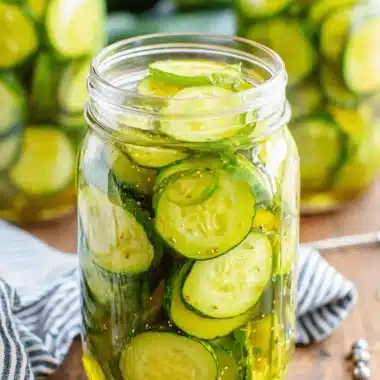

Hi, I am Aisha! Welcome to Aisha Recipes. Most days, I am just like you, juggling work, family, and wondering what to make for dinner. Cooking used to feel intimidating to me. Over time, I realized that making food does not have to be stressful. I love finding quick, comforting solutions that make life a little easier.
Today, I am thrilled to share my absolute favorite recipe for easy refrigerator pickles dill. If you miss the familiar flavors of home but lack the time for complicated canning, this recipe is for you. Making your own pickles brings a special magic to a simple dish without leaving you exhausted. You will achieve deliciously crisp, tangy results through this stress-free method. Let me show you how to bring this comforting, joyful culinary adventure right into your own kitchen!
Why You’ll Love These Easy Refrigerator Pickles Dill
Making these homemade pickles brings me so much joy, and I know you will love them too. Here are a few compelling reasons why this recipe is an everyday win. First, they are incredibly quick and easy because absolutely no traditional canning is required.
Second, you will get perfectly crisp and flavorful results every single time. Refrigerator pickling locks in that fresh crunch that store-bought jars simply cannot match. Third, these pickles are incredibly versatile for all your daily meals.
You can tuck them into sandwiches, chop them into salads, or just snack on them straight from the jar. Finally, this fresh, homemade taste will instantly elevate your simple dinners into something special. You will feel that amazing boost of confidence when you taste your very own batch.
Understanding Your Cucumbers: The Key to Crisp Refrigerator Pickles Dill
Selecting the right raw ingredients is the secret behind perfectly crunchy refrigerator pickles dill. I firmly believe that Kirby cucumbers are the absolute best choice for pickling. They have a firm texture, thick skin, and a lower water content than regular slicing cucumbers. This structural difference allows them to absorb the brine beautifully while maintaining a loud, satisfying crunch.
If you try using standard salad cucumbers or English cucumbers, your pickles might end up soft and disappointing. Size and freshness also matter a great deal. Always look for small, firm cucumbers without any mushy spots or wrinkles. Freshness yields crunch, so try to use your cucumbers the same day you buy them.
To guarantee a crisp bite, always trim the blossom end of the cucumber before placing it in the jar. The blossom end contains an enzyme that naturally softens vegetables over time. Removing this tiny slice will protect your hard work and keep your pickles perfectly crisp.
Visual Guide: Cucumber Comparison Chart
| Cucumber Type | Ideal for Pickling? | Key Characteristics |
|---|---|---|
| Kirby | Yes (Highly Recommended) | Firm, bumpy skin, low water content, retains maximum crunch. |
| English (Seedless) | No | Thin skin, higher water content, turns mushy when brined. |
| Standard Slicing | No | Thick skin but extremely watery interior, loses shape in liquid. |
| Persian | Yes (Acceptable Alternative) | Small, crisp, thin-skinned, good crunch but slightly softer than Kirby. |
Ingredients for the Best Refrigerator Pickles Dill
- 1¼ cups (295 ml) distilled white vinegar (5% acidity)
- 3 tablespoons (45 g) kosher salt
- 2 tablespoons (25 g) sugar
- 2 cups (473 ml) cold water
- 1¾ to 2 pounds (794 to 907 g) Kirby cucumbers (about 6), cut into halves or spears
- 2 tablespoons (10 g) coriander seeds
- 6 large garlic cloves, peeled and halved
- 1 teaspoon (3 g) mustard seeds
- ¼ teaspoon (0.5 g) red pepper flakes
- 16 dill sprigs
Step-by-Step: How to Make Refrigerator Dill Pickles
-
Combine the vinegar, salt and sugar in a small non-reactive saucepan (such as stainless steel, glass, ceramic or teflon) over high heat.
[Photo 1: Gathering the vinegar, salt, and sugar in a small stainless steel saucepan.]
[Photo 2: Placing the non-reactive saucepan on the stovetop over high heat.]
-
Whisk until the salt and sugar are dissolved.
[Photo 3: Briskly whisking the vinegar mixture in the pan.]
[Photo 4: A close up showing the clear liquid once the salt and sugar have fully dissolved.]
-
Transfer the liquid into a bowl and whisk in the cold water. Refrigerate brine until ready to use.
[Photo 5: Carefully pouring the hot vinegar mixture into a clean glass mixing bowl.]
[Photo 6: Whisking the cold water into the bowl to cool the mixture.]
[Photo 7: Placing the bowl inside the refrigerator to chill the brine completely.]
-
Stuff the cucumbers into two clean 1-quart jars.
[Photo 8: Trimming the blossom ends and cutting the fresh Kirby cucumbers into neat spears.]
[Photo 9: Firmly stuffing the fresh cucumber spears into two clean 1-quart jars.]
-
Add the coriander seeds, garlic cloves, mustard seeds, red pepper flakes, dill sprigs, and chilled brine into jars, dividing evenly.
[Photo 10: Dropping coriander seeds and mustard seeds directly over the cucumbers.]
[Photo 11: Slipping the halved garlic cloves neatly into the spaces between the spears.]
[Photo 12: Sprinkling the red pepper flakes for a tiny hint of heat.]
[Photo 13: Tucking the fresh dill sprigs tightly around the sides of the glass.]
[Photo 14: Pouring the thoroughly chilled brine into the jars to submerge the spices.]
-
If necessary, add a bit of cold water to the jars until the brine covers the cucumbers.
[Photo 15: Adding a minor splash of extra cold water to ensure the tops of the cucumbers are totally covered.]
-
Cover and refrigerate about 24 hours, then serve. The pickles will keep in the refrigerator for up to one month.
[Photo 16: Sealing the jars tightly with their lids and placing them on a refrigerator shelf to rest.]
Tips for Perfectly Crisp & Flavorful Refrigerator Pickles Dill
Achieving a professional-level crunch hinges on one critical scientific detail in the recipe. You absolutely must allow the boiled brine to chill completely before pouring it over your raw cucumbers. If you pour warm liquid into the jars, you will accidentally cook the vegetables. Partially cooked cucumbers lose their structural integrity and result in unfortunate, soggy pickles.
The chilling time in the refrigerator is equally important for flavor development. Resting the jars for a full 24 hours gives the coriander seeds, garlic, and fresh dill time to infuse the liquid. The vinegar uses this period to penetrate the flesh of the Kirby cucumbers deeply. Be patient, as tasting them too early might leave you with a surprisingly bland flavor.
Packing your jars correctly will also determine the success of your pickling project. You want to tuck the cucumbers, fresh dill, and halved garlic tightly enough so they do not float. If they float above the brine surface, they will dry out and spoil quickly. However, you must avoid crushing them, as the brine needs adequate space to circulate and flavor every single bite.
Visual Guide Suggestion: Creating a diagram titled “How to Pack a Jar for Optimal Pickling.” This visual should demonstrate placing taller cucumber spears vertically, tucking dill alongside the glass, and dropping heavy spices directly into the center.
Refrigerator Pickles Dill: Creative Variations & Customizations
Once you build confidence with this quick and comforting dinner staple, you can experiment freely! Playing with flavors is one of the everyday wins that make cooking so much fun. If you want to customize your refrigerator pickles dill, I have gathered a few of my favorite variations. You can easily tweak the spice blend to match your specific craving.
| Variation Idea | Key Ingredients to Add | Flavor Profile |
|---|---|---|
| Spicy Garlic Dill | Extra red pepper flakes, sliced jalapeños | Fiery, bold, and heavily aromatic |
| Sweet & Tangy Dill | An additional 3 tablespoons (38 g) sugar | Balanced sweet-sour finish |
| Smoky Peppercorn Dill | 1 teaspoon (3 g) whole black peppercorns, smoked sea salt | Deep, complex, and gently smoky |
You might wonder about swapping the fresh herbs if you cannot find beautiful sprigs at the local store. Usually, dried dill is much more potent than fresh dill. If you must use dried seasoning, substitute 1 tablespoon (3 g) of dried dill seed or weed per jar. While fresh sprigs offer better visual appeal and a brighter note, dried dill still works beautifully in a pinch.
Storing Your Homemade Refrigerator Dill Pickles
Because this quick method avoids complicated water bath canning, proper storage is strictly required to keep your pickles safe. Your sealed jars must live exclusively inside your refrigerator to inhibit bad bacteria. I highly recommend storing them in the very back of the fridge. The temperature remains much more stable there, unlike the door shelves which experience constant temperature fluctuations.
Your homemade batch will keep in the refrigerator for up to one month. Around the three-week mark, you might notice the distinct crispness beginning to fade slightly. This loss of texture is completely normal, though the flavor remains absolutely delicious. Always use clean utensils when retrieving a pickle to prevent introducing unwanted bacteria into the jar.
Do not ignore the specific signs indicating your pickles have gone bad. If you spot fuzzy mold on the surface of the brine, you must throw the entire jar away immediately. A foul, fermented yeast smell or exceptionally slimy cucumbers also signal dangerous spoilage.
If you want to share this magical comfort food, these jars make fantastic homemade gifts. You can tie a charming ribbon around the lid and attach a beautifully custom paper label. Just be sure to tell your friends to refrigerate the jars immediately upon receiving them. I always print “Keep Refrigerated at All Times” prominently on my gifting labels to ensure proper food safety.
Troubleshooting Common Refrigerator Pickle Issues
“Why are my pickles soft or soggy?”
This is the most common frustration I hear from beginners. Soggy results usually happen if you forgot to trim the blossom end of the raw cucumber. Alternatively, you might have rushed the process and poured a warm brine over the vegetables. Always ensure that the vinegar mixture is completely cold before assembling your jars.
“How can I adjust the saltiness to my taste?”
I love this recipe exactly as written, but I know some folks manage low-sodium diets. If you prefer a milder taste, simply reduce the kosher salt by 1 tablespoon (15 g). Just keep in mind that salt acts as a minor preservative, even in quick pickling. A drastic reduction might slightly alter the texture and decrease the overall shelf life.
“What if my pickling brine looks a bit cloudy?”
A slightly cloudy liquid happens frequently and is usually completely harmless. Most of the time, loose spice particles or natural starches from the halved garlic cause this hazy appearance. However, if the cloudiness is accompanied by a foul smell or bubbling gas, discard the batch entirely. Safety always comes first in my kitchen.
Creative Ways to Use Your Refrigerator Dill Pickles
- Chop them finely and stir them into a vibrant, homemade tartare sauce for fried fish.
- Blend the spears into a zesty vinaigrette to give your summer salad dressings a surprising punch.
- Use the finished pickles and a splash of their tangy liquid to create incredible pickle-brined fried chicken.
- Slice them thinly and tuck them inside a gourmet grilled cheese sandwich for a sharp, acidic contrast.
- Dice them up to elevate the creamy filling of your holiday deviled eggs.
- Fold a generous handful into a classic tuna salad to provide an incredibly satisfying, loud crunch.
- Garnish a loaded, savory Bloody Mary cocktail with a whole, beautiful spear on a Sunday morning.
Frequently Asked Questions About Refrigerator Pickles Dill
Can I use different types of vinegar?
Distilled white vinegar provides that classic, sharp pickling bite you expect from a great dill pickle. You can substitute apple cider vinegar if you prefer a slightly softer, fruitier flavor profile. Be aware that apple cider vinegar will turn your clear brine a light shade of brown. I do avoid balsamic or dark vinegars, as they overpower the delicate fresh dill.
How can I scale this recipe for a single jar or a larger batch?
If you only want one jar, simply cut all the provided ingredient measurements perfectly in half. For a big family gathering, you can easily double the recipe without any math complications. Just make sure you maintain the exact ratio of vinegar, water, and salt. Proper ratios ensure you retain that flawless acidity and signature crunch.
What are the best jars and lids to use?
Wide-mouth glass mason jars afford the easiest access for stuffing the cucumber spears tightly without breaking them. The glass is completely non-reactive, which is essential when working with strong, acidic liquids. Since I am not processing these in a boiling water bath, standard plastic, reusable lids work wonderfully. They will not rust from the harsh acidic environment like traditional metal rings sometimes do.
What are some creative ways to use leftover pickle juice?
Never pour that flavorful, liquid gold down your kitchen sink! I use a splash of leftover juice to tenderize tough cuts of pork or chicken before roasting. You can also mix it into boiling water for potatoes to create an unforgettable potato salad. Sometimes, I even use it as a substitute for vinegar in a quick, robust pasta salad dressing.
Are these pickles suitable for Keto or Whole30 diets?
This recipe contains a small amount of refined sugar to perfectly balance the harsh bite of the vinegar acid. Because of the added sugar, they do not strictly comply with Whole30 or strict Keto rules. You can absolutely omit the sugar if you require a fully compliant version. The pickles will still be crunchy, though they will taste significantly sharper and much more intensely sour.
Final Thoughts & Your Kitchen Journey
Bringing this comforting refrigerator pickles dill recipe into your rotation will truly change your dinner routine. Over time, you will discover that preparing your own simple staples builds incredible confidence. The kitchen does not have to be a scary place when you rely on straightforward, reliable methods. I find immense satisfaction in grabbing a jar from the fridge to crisp up an ordinary plate.
You truly are capable of creating joyful food that makes your busy life a little brighter. I would absolutely love to hear about your experience trying this fun process at home. Please leave a comment below to ask any lingering questions, or share the amazing flavor variations you invented! Your everyday wins inspire me constantly.
If you want more quick, comforting meals delivered straight to you, please sign up for the Aisha Recipes newsletter. You will receive completely free weekly updates packed with approachable dinners and stress-free air fryer favorites. Finally, if you need the perfect wide-mouth jars or reliable pickling spices, check out my recommended affiliate products linked right in the recipe card. Let us keep it simple, and let us always find the joy in the kitchen together!
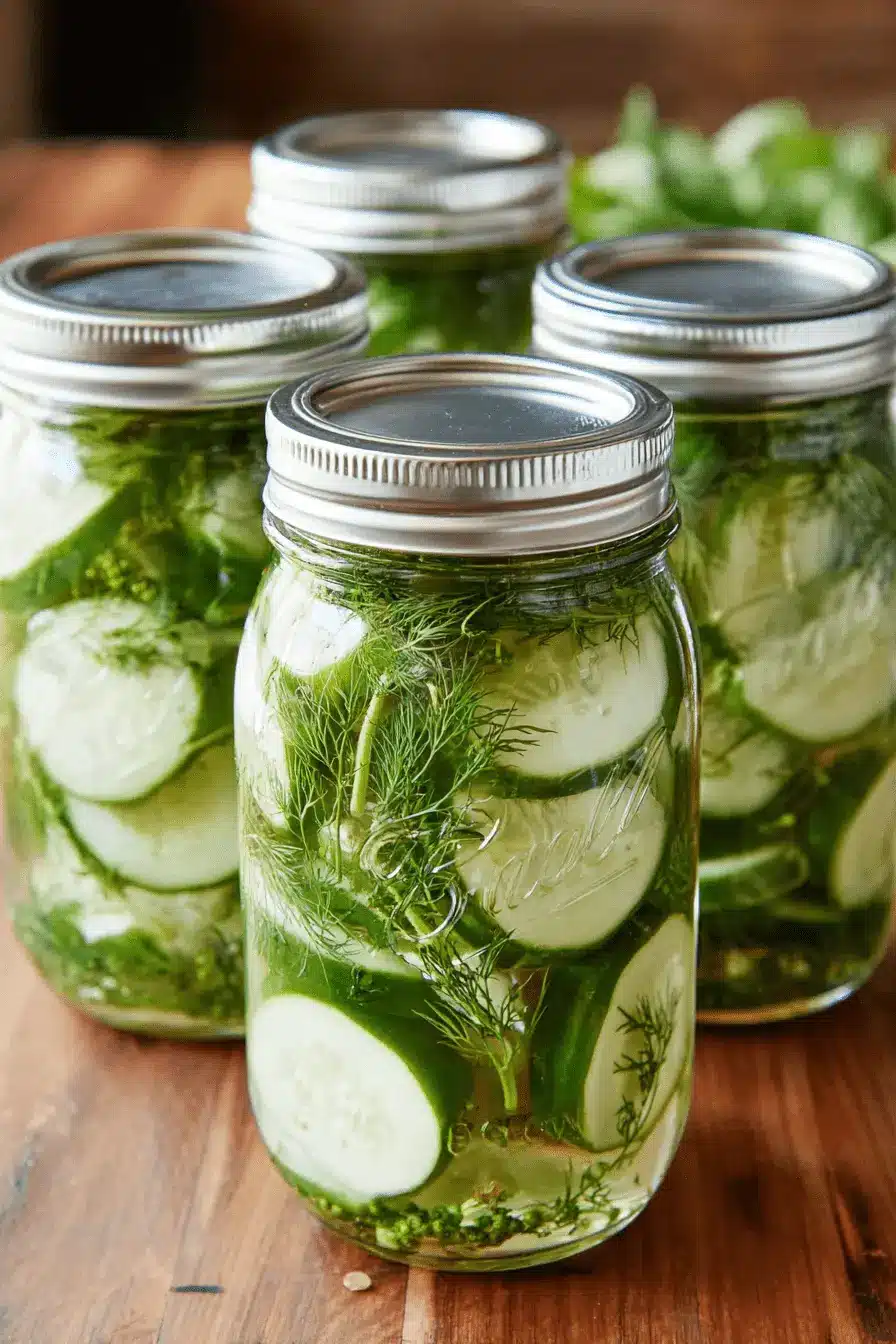
refrigerator pickles dill
Ingredients
Equipment
Method
- Combine vinegar, salt, and sugar in a small non-reactive saucepan over high heat; whisk until dissolved. Transfer to a bowl, whisk in cold water, and refrigerate the brine.
- Stuff cucumbers into two 1-quart jars. Add coriander seeds, garlic, mustard seeds, red pepper flakes, dill, and chilled brine evenly. If needed, add cold water to cover cucumbers, then cover and refrigerate for 24 hours before serving.