
If you’ve ever felt like truly creamy, dreamy hummus was something you could only get at a restaurant, I’m so excited to change your mind. I used to feel the same way, thinking it was too complicated for a busy weeknight. But I discovered a foolproof method that is quicker than you’d think and delivers a texture so smooth, you’ll never want to go back to store-bought.
Making your own hummus is one of those small kitchen victories that feels incredibly satisfying. You control the ingredients, the flavor, and the creaminess. This guide will walk you through every simple step, giving you the confidence to whip up the best hummus you’ve ever tasted, right in your own kitchen.
Why You’ll Love This Homemade Hummus
I’ve tested so many methods, and this one truly stands out. It’s designed for busy people who still want delicious, comforting food without the stress.
- Unparalleled Smoothness: This recipe achieves that ultra-creamy, whipped texture you crave without any complicated steps or endless blending.
- Simple, Powerful Ingredients: We use just a handful of accessible ingredients to create a deep, authentic flavor that really shines. No hard-to-find items needed.
- Better Than Store-Bought: Not only does homemade hummus taste infinitely fresher and more vibrant, but it also saves you money in the long run.
- Quick and Versatile: This recipe is fast enough for a last-minute snack but also perfect for meal prepping. It’s a healthy, delicious addition to so many meals.
Key Ingredients for the Best Hummus
The secret to amazing hummus is using good-quality ingredients. It makes all the difference, I promise.
- Chickpeas: You can use canned chickpeas to save time, which is what I usually do. Just make sure to drain and rinse them well. If you’re budget-conscious, cooking your own from dried is a great option. For the absolute smoothest texture, you can peel the chickpeas, but I find this recipe is creamy enough without that extra step.
- Tahini: This is the most important ingredient for flavor and texture. Look for a high-quality tahini that is runny, smooth, and light in color. The only ingredient should be sesame seeds. A thick, pasty tahini can make your hummus bitter and clumpy.
- Lemon Juice: Freshly squeezed lemon juice is non-negotiable here. The bottled kind just doesn’t have the same bright, zesty flavor and can sometimes taste a bit off.
- Garlic: A fresh clove of garlic provides the best flavor. If you’re really pressed for time, pre-minced garlic will work, but the flavor won’t be quite as punchy.
- Olive Oil: A good extra-virgin olive oil adds richness and a lovely, subtle flavor. You don’t need the most expensive bottle, just one that you enjoy the taste of.
- Water: This is what helps you control the consistency. Adding it slowly allows you to get that perfect creamy texture without making the hummus too thin.
- Salt: I prefer sea salt for its clean flavor, which helps all the other ingredients pop.
Equipment Deep Dive: The Right Tools for the Job
The tool you use can definitely affect the final texture of your hummus. Here’s a quick breakdown to help you choose what’s best for you.
- High-Speed Blender: This is my top choice for getting the smoothest, most velvety hummus. The powerful motor breaks down the chickpeas effortlessly. The only downside is that it can be a bit tricky to scrape everything out from under the blades, and you might need a little extra water to get things moving.
- Food Processor: A food processor is a classic tool for making hummus and works wonderfully. It’s great for making larger batches and is generally easier to scrape clean. You might need to let it run a bit longer to get the hummus as smooth as a high-speed blender can, but the results are still fantastic.
- Mortar and Pestle: If you’re feeling adventurous and want to try the traditional method, a mortar and pestle is the way to go. It’s a lot more work, but it produces a more rustic, textured hummus that is incredibly flavorful. It’s a fun way to connect with the history of the dish.
Ingredients
- 1½ cups cooked chickpeas
- ⅓ cup smooth tahini*
- 2 tablespoons extra-virgin olive oil
- 2 tablespoons fresh lemon juice (plus more to taste)
- 1 garlic clove
- ½ teaspoon sea salt
- 5 tablespoons water (or as needed to blend)
- Paprika, red pepper flakes, and/or fresh parsley
- Warm pita bread (and/or veggies, for serving)
Instructions: How to Make Hummus from Scratch
Follow these simple steps for perfect hummus every time. It’s a beautifully simple process.
- In a high-speed blender, place the chickpeas, tahini, olive oil, lemon juice, garlic, and salt. Use the blender baton to blend until very smooth, adding water as needed to blend, and/or to reach your desired consistency.
- Transfer to a serving plate and garnish with paprika, red pepper flakes, and/or fresh parsley. Serve with warm pita and veggies, as desired.
Common Mistakes to Avoid When Making Hummus
I’ve made all these mistakes so you don’t have to. A few small tweaks can take your hummus from good to great.
- Not blending long enough: Patience is key. Let your blender or food processor run for a few minutes. It might seem like a long time, but this is what creates that signature creamy texture.
- Wrong tahini consistency: If you start with thick, clumpy tahini, your hummus will be too. Make sure you use a brand that is smooth and pourable.
- Adding all the water at once: Pour the water in slowly while the machine is running. This gives you complete control over the final texture, preventing it from becoming too thin.
- Insufficient salt or lemon: Hummus should be bright and flavorful. Don’t be afraid to taste and adjust. A little extra salt or a squeeze of lemon juice can make a huge difference.
- Using cold ingredients: For the easiest blending, try to let your chickpeas and tahini come to room temperature before you start. They’ll combine into a smoother dip more quickly.
Customization Guide: Create Your Own Flavored Hummus
Once you’ve mastered the classic recipe, it’s so much fun to start experimenting with different flavors. Here are a few of my favorite ideas.
| Flavor Idea | Add-ins (approx. per batch) | Preparation Notes |
|---|---|---|
| Roasted Red Pepper | ½ cup roasted red peppers (drained) | Blend with other ingredients. |
| Spicy Sriracha/Chili | 1-2 teaspoons sriracha or chili garlic sauce | Add with other ingredients, adjust to taste. |
| Sun-Dried Tomato | ¼ cup homemade sun-dried tomatoes (oil-packed, drained) | Blend with other ingredients. |
| Pesto Swirl | 2 tablespoons prepared pesto | Swirl into finished hummus, do not blend in fully. |
| Herb Garden | ¼ cup fresh parsley, cilantro, or mint | Blend with other ingredients for a fresh, vibrant flavor. |
| Caramelized Onion | ½ cup caramelized onions | Blend with other ingredients or use as a topping. |
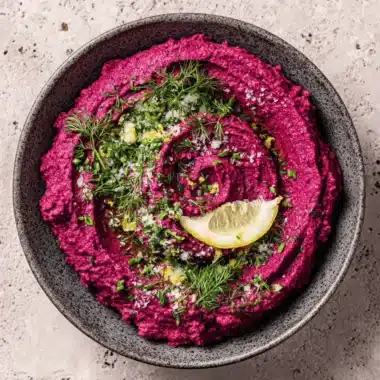
| Beetroot Hummus | ½ cup cooked beetroot (peeled and diced) | Blend with other ingredients for a vibrant beetroot hummus and earthy flavor. |
Ultimate Serving Guide & Toppings
Hummus is so much more than just a dip. It’s a versatile staple that can elevate almost any meal.
- Traditional Pairings: You can’t go wrong with warm pita bread. Fresh, crunchy vegetables like carrots, cucumber sticks, bell peppers, and celery are also perfect for dipping. A side of olives rounds it out beautifully.
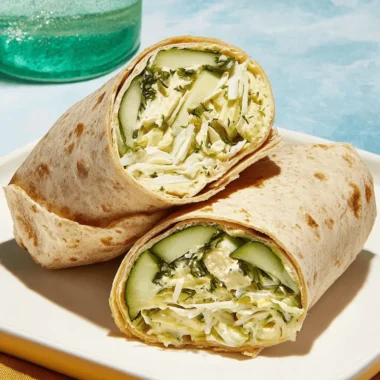
- Creative Spreads: I love using hummus as a spread in sandwiches and wraps instead of mayonnaise. It’s also delicious on toast, especially with a few slices of avocado on top.
- Meal Additions: Use a big scoop of hummus as the base for a nourishing Buddha bowl. It’s also a fantastic, cooling accompaniment to grilled meats, roasted vegetables, or falafel.
Garnishing Ideas:
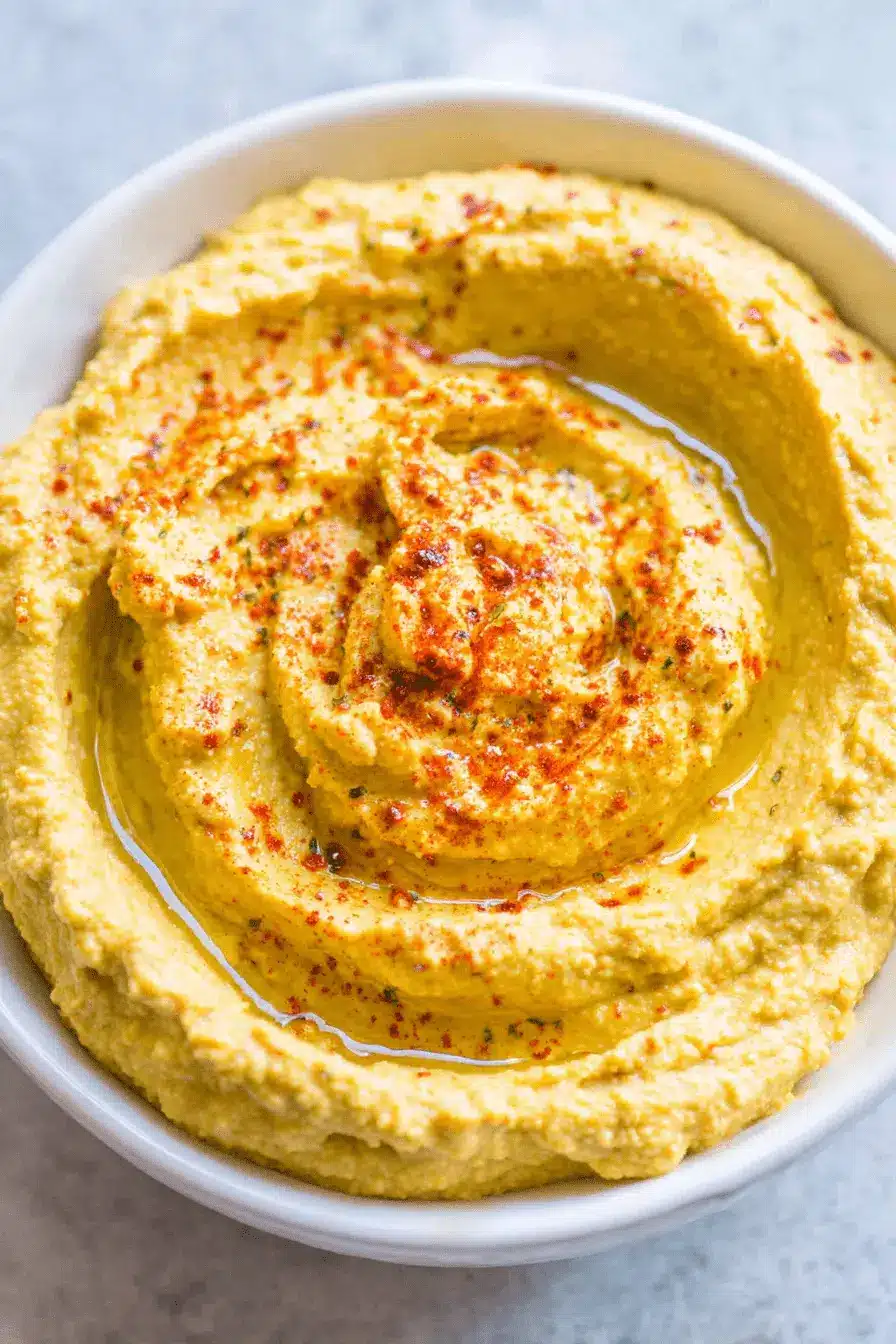
- Classic: A generous drizzle of good olive oil, a sprinkle of paprika, and some fresh parsley.
- Savory: Take it up a notch with toasted pine nuts, a dusting of za’atar or sumac, sautéed mushrooms, or some crumbled feta cheese.
- Spicy: For a little kick, add a swirl of harissa oil or a pinch of cayenne pepper.
Storage, Make-Ahead & Freezing Tips
One of the best things about homemade hummus is that it’s perfect for meal prep.
- Refrigeration: Store your hummus in an airtight container in the fridge for up to 5 days. I like to pour a thin layer of olive oil on top to help keep it fresh.
- Make-Ahead: You can easily make it a few days in advance. The flavors will meld together and it might even taste better the next day.
- Freezing: Yes, you can freeze hummus. Place it in a freezer-safe container, leaving a little space at the top for it to expand. To thaw, leave it in the refrigerator overnight. It may be a little watery, so just give it a good stir or a quick blend with a splash of water to bring it back to life.
- Serving Temperature: For the best flavor, I recommend letting your hummus sit out for about 20-30 minutes to come to room temperature before serving.
Troubleshooting & Expert Tips for Silky Smooth Hummus
Even with a simple recipe, questions can pop up. Here are some quick solutions to common hummus hurdles.
- “My hummus isn’t smooth enough!”
First, make sure you’re blending long enough, at least 2-3 minutes. If it’s still not smooth, you can try peeling the chickpeas. An easy way is to pinch them gently and the skins slide right off. You can also add water one tablespoon at a time until you reach your desired smoothness. - “It tastes bland/too sour/too garlicky!”
This is all about tasting and adjusting. If it’s bland, it probably needs more salt. Too sour? A little more tahini can balance the lemon. Too garlicky? Unfortunately, you can’t take it out, but adding more chickpeas and tahini can help dilute the flavor. - “My tahini didn’t get creamy!”
With this recipe, everything is blended together at once, so the creaminess comes from the quality of the tahini itself. Always use a high-quality, runny tahini for the best results. - Scaling the Recipe
This recipe doubles or halves beautifully. Just keep the ratios the same. You may need to adjust the salt and lemon to your taste when changing the batch size. - Time-Saving Hacks
Using canned chickpeas is the biggest time-saver. And while fresh garlic is best, using pre-minced garlic from a jar is a perfectly acceptable shortcut when you’re in a rush.
A Taste of History: The Origins of Hummus
Hummus is a dish with deep roots and a rich history, beloved across the Middle East and the Mediterranean for centuries. While its exact origin is debated among various cultures, we know it’s an ancient food that has brought people together around the table for generations. Made from simple, accessible ingredients, it’s a beautiful example of how nourishing and delicious peasant food can be.
Today, its popularity has spread across the globe, becoming a staple in kitchens far and wide. It’s a testament to its timeless appeal and comforting nature.
Frequently Asked Questions about How to Make Hummus
- Do I have to peel the chickpeas?
No, you don’t have to. This recipe creates very smooth hummus even with the skins on. However, if you’re aiming for the absolute silkiest texture possible, peeling them will get you there. - Can I make hummus without tahini?
You can, but it won’t have that classic, nutty, rich flavor. Tahini is really the heart of hummus. If you have a sesame allergy, you could try substituting with sunflower seed butter or a little extra olive oil, but the taste will be quite different. - How long does homemade hummus last?
It will last for up to 5 days in an airtight container in the refrigerator. - Can I use a blender instead of a food processor?
Absolutely. In fact, I find that a high-speed blender often yields an even creamier result than a food processor. - What if my hummus is too thick/thin?
If it’s too thick, add more water, one tablespoon at a time, until it reaches the right consistency. If it’s too thin, you can add a few more chickpeas or a tablespoon of tahini to help thicken it up. - What are the best types of chickpeas for hummus?
Canned chickpeas work perfectly and are super convenient. If you prefer to cook your own from scratch, dried chickpeas will also yield fantastic results. - Is homemade hummus healthier than store-bought?
Yes, generally it is. When you make it yourself, you control everything, so you can avoid the preservatives, excess sodium, and lower-quality oils often found in packaged versions.
Your Hummus Masterpiece Awaits!
See? Making incredible, restaurant-quality hummus at home is not only possible, it’s incredibly simple and rewarding. I hope you feel confident and excited to give this recipe a try. There’s nothing better than dipping a warm piece of pita into a bowl of fresh, creamy hummus you made yourself.
I would love to hear how it turns out for you. Please leave a comment below with your results, any flavor combinations you try, or any questions you might have. If you make it, share a photo on social media and tag me! And don’t forget to explore my other recipes here at Aisha recipes for more quick and comforting meals.
How to Make Hummus
Ingredients
Equipment
Method
- Combine chickpeas, tahini, olive oil, lemon juice, garlic, and salt in a high-speed blender. Blend until very smooth, adding water to achieve your desired consistency.
- Transfer the hummus to a serving plate. Garnish with paprika, red pepper flakes, or fresh parsley, and serve with warm pita bread or vegetables.