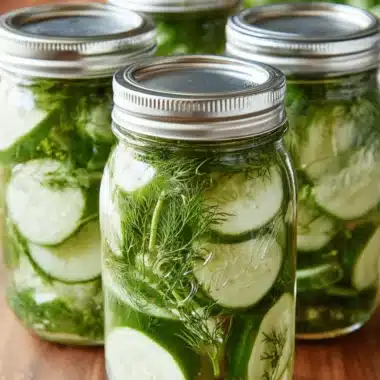

Hello friend! If you are juggling a busy schedule and wondering how to add a spark to your weeknight dinners, you are in the exact right place. I am thrilled to share my absolute favorite way to make homemade refrigerator pickles. When I first moved to the U.S., the idea of preserving food felt completely overwhelming to me. I thought only seasoned experts with special equipment could make perfectly crisp, flavorful pickles.
I quickly learned that you do not need hours of traditional canning to capture that magic. This recipe is wonderfully simple and totally stress-free. You can customize the crunch and the spices exactly to your liking. Every time I open the fridge and see a jar of these bright snacks, I feel a beautiful little boost of cooking confidence.
Why You’ll Love These Easy Refrigerator Pickles
- Foolproof Crispness: I promise this method guarantees that satisfying crunch every single time you bite into a spear.
- No Canning Required: Traditional canning used to intimidate me heavily, but this recipe skips the heavy equipment for complete simplicity and safety.
- Quick & Easy Prep: With minimal hands-on time, this is the perfect comforting kitchen project for a tired weeknight.
- Endlessly Customizable: I love how easily you can tweak the spices to brilliantly match whatever flavor profile you crave.
- Stress-Free Cooking: My goal is to make sure your time in the kitchen brings you joy and comfort rather than exhaustion.
Understanding Your Ingredients for Perfect Refrigerator Pickles
Cucumbers: Kirby cucumbers are my absolute favorites for pickling because their thick, bumpy skin stays incredibly crisp. Many readers ask me if they can use other types. You absolutely can use Persian or standard pickling cucumbers if that is what you have on hand.
Vinegar: Distilled white vinegar acts as a brilliant preservative while delivering that sharp, classic pickle bite. The 5% acidity level is strictly necessary to keep everything safe and properly pickled in your fridge.
Salt: Kosher salt is completely essential because it effectively draws out moisture to guarantee wonderful crispness. Does the type of salt truly matter? Yes, because kosher salt dissolves cleanly compared to fine sea salt or pickling salt, which can sometimes alter your precise ratio or cloud the liquid.
Sugar: A touch of sugar might seem surprising to some beginners. I use it purely to balance the sharp acidity of the vinegar and gently enhance the overall flavor.
Spices & Herbs: Beautiful aromatics bring everything to life. The coriander seeds, mustard seeds, fresh garlic cloves, fresh dill sprigs, and red pepper flakes create an irresistible savory depth.
Ingredients for Homemade Refrigerator Pickles
- 1¼ cups distilled white vinegar (5% acidity)
- 3 tablespoons kosher salt
- 2 tablespoons sugar
- 2 cups cold water
- 1¾ to 2 pounds Kirby cucumbers (about 6), cut into halves or spears
- 2 tablespoons coriander seeds
- 6 large garlic cloves, peeled and halved
- 1 teaspoon mustard seeds
- ¼ teaspoon red pepper flakes
- 16 dill sprigs
Step-by-Step Instructions: How to Make Refrigerator Pickles
- Combine the vinegar, salt and sugar in a small non-reactive saucepan (such as stainless steel, glass, ceramic or teflon) over high heat. Whisk until the salt and sugar are dissolved.

- Transfer the liquid into a bowl and whisk in the cold water. Refrigerate brine until ready to use.
- Stuff the cucumbers into two clean 1-quart jars.
- Add the coriander seeds, garlic cloves, mustard seeds, red pepper flakes, dill sprigs, and chilled brine into jars, dividing evenly.
- If necessary, add a bit of cold water to the jars until the brine covers the cucumbers.
- Cover and refrigerate about 24 hours, then serve. The pickles will keep in the refrigerator for up to one month.


Getting Your Cucumbers Ready for Pickling
Before I mix up any brine, I always like to give my vegetables a little extra loving attention. Thoroughly washing and drying your produce removes any lingering dirt or wax. This keeps the final product vibrant, fresh, and perfectly clean.
Next, you absolutely must trim the blossom end off each cucumber. The blossom end contains special natural enzymes that can unfortunately make your whole batch turn soft and mushy over time. Removing it guarantees your hard work results in a brilliant, joyful crunch. 
Uniform slicing ensures every single piece absorbs the tangy flavor at the exact same rate. You can use a trusty chef’s knife or a mandoline slicer to create perfect spears, thin coins, or playful crinkle chips. I always take my time here because evenly cut shapes look so incredibly beautiful sitting in the jar. 
The Brine Battle: Hot Brine vs. Cold Brine for Refrigerator Pickles
Many people ask me why this recipe calls for chilling the liquid before packing the jars. The Cold Brine Method preserves the absolute freshest crunch by preventing the vegetables from silently cooking in the heat. I find it completely effortless and wonderfully perfect for delicate produce.
Alternatively, the Hot Brine Method involves pouring heated liquid directly over the packed jars before thoroughly cooling them down. This hot liquid slightly tenderizes the vegetables and can drastically accelerate the flavor absorption inside the jar.
Which method is best for you? If you want maximum crispness and a raw snappy texture, I strongly encourage using the chilled liquid as directed in my recipe. If you are in a massive rush to eat them tonight and do not mind a slightly softer bite, warming the liquid might be your best personal choice.
Pro Tips for Crispy Refrigerator Pickles Every Time
- Blossom End Removal: I cannot stress this magical trick enough. Slicing off the tiny blossom tip is the absolute simplest way to miraculously prevent mushy disappointment.
- Ice Bath Chilling: If your produce feels a bit limp from the local store, soak it gently in icy water for thirty minutes before slicing. This wakes up the vegetable cells and completely restores a fabulous crunch.
- Alum or Grape Leaves: Some old-fashioned traditional canning recipes use alum or fresh grape leaves to firmly toughen the skins. Since this recipe relies purely on the refrigerator, you truly do not need these extra additives for a snappy bite.
- Keeping Submerged: Any pieces aggressively poking above the liquid line can soften and tragically spoil prematurely. I always suggest using a small glass weight or purposefully tucking the pieces tightly under the curved shoulders of your jar.
- Brine Temperature: Remember that starting directly with chilled ingredients perfectly sets you up for absolute success. The cold stops any residual cooking processes squarely in their tracks.
Beyond Dill: Creative Flavor Variations for Your Refrigerator Pickles
Once you confidently master the basic technique, playing playfully with custom spices becomes incredibly joyful. I absolutely love surprising my family with stunning new flavor combinations every few weeks. Here is a handy, simple guide to my absolute favorite custom flavors!
| Flavor Profile | Additional Ingredients/Adjustments |
|---|---|
| Spicy Garlic Dill | Add extra red pepper flakes, a few slices of fresh jalapeño, and carefully toss in more garlic cloves. |
| Sweet & Tangy | Increase sugar slightly (e.g., 3-4 tablespoons total) and seriously consider adding a tiny pinch of celery seed. |
| Asian-Inspired | Substitute half of the distilled vinegar safely with rice vinegar. Add sliced fresh ginger, aromatic star anise, and a rich splash of soy sauce. |
| Herbal Medley | Replace a portion of the dill with fragrant fresh thyme, bright oregano, or a savory bay leaf. |
| Zesty Lemon-Pepper | Add gorgeous strips of lemon zest, strong black peppercorns, and a small pinch of dried oregano. |
Refrigerator Pickling Other Vegetables: It’s Not Just for Cucumbers!
I quickly and happily discovered that this tangy liquid works absolute wonders on almost any firm, crisp vegetable lingering in my kitchen. It is a fantastic way to joyfully rescue beautiful produce playfully hiding in the crisper drawer. Here are some wonderful, crunchy variations I truly enjoy making.
| Vegetable | Prep | Notes |
|---|---|---|
| Carrots | Peeled and sliced carefully into coins, sticks, or ribbons. | Truly great with ginger and a very subtle touch more sugar. |
| Green Beans | Neatly trimmed. | Happily use whole or snapped in half. Adds a surprisingly nice crunch. |
| Red Onions | Thinly sliced. | Phenomenally great for tacos, salads, and sandwiches. Slightly sweeter brine works beautifully well. |
| Bell Peppers | Sliced into perfectly uniform strips. | Add a gentle touch of sweetness to this colorful and crunchy staple. |
| Zucchini/Squash | Thinly sliced lovely coins or sweeping ribbons. | Quite similar to cucumbers, but they occasionally can safely become softer. |
| Cauliflower | Cut neatly into very small florets. | Strongly benefit from a slightly longer pickling time for ideal tenderness. |
Storing Your Homemade Refrigerator Pickles
Properly managing storage is incredibly important for keeping your homemade snacks brilliantly safe and delicious. You absolutely must keep your jars strictly tightly sealed in the refrigerator at all times. They will beautifully keep in the refrigerator for up to one month.
While they are scientifically safe for a full month, I generally find that their absolute optimal flavor authentically shines within the brilliant first two weeks. After passing that point, they may politely begin to quietly lose their perfect snappy crispness.
Always confidently keep a watchful eye out for any specific signs of unwanted spoilage. If you unexpectedly spot fuzzy mold, smell a genuinely off odor, or notice highly unusual cloudiness that was absolutely absent on day one, aggressively toss the batch immediately.
Is it truly safe to joyfully safely reuse pickle brine? I strongly advise acting with profound caution here to strictly maintain food safety at home. If you genuinely desire to reuse it, firmly only do so once within a short week of making your original batch, solely for pristine fresh vegetables, and absolutely make sure to safely boil it intensely before jarring.
Troubleshooting Common Refrigerator Pickle Problems
Every loving home cook happily faces a little kitchen hiccup every now and then. I definitely had my huge share of wildly funny mistakes when I first slowly started learning! Here is exactly how I joyfully solve the absolutely most common problems.
- Soggy Pickles: This usually sadly happens if you unfortunately used older produce, mistakenly sliced the pieces too thinly, or completely accidentally poured piping hot liquid over extremely cold vegetables. Always boldly start with the absolute freshest possible ingredients.
- Too Salty or Lacking Flavor: If the taste honestly feels wildly unbalanced, carefully ensure your measuring spoons are totally accurate. You can purposefully always slightly tweak the sugar or salt amounts in your lovely next batch to perfectly perfectly suit your amazing palate.
- Cloudy Brine: Sometimes fairly harmless little interactions between the salt and garlic playfully cause very slight cloudiness. However, if the liquid alarmingly turns quite murky and smells distinctly sour, it fully indicates dangerous spoilage and you absolutely should safely throw it entirely away.
- Not Crispy Enough: If you knowingly skipped deeply chilling the liquid or totally forgot to strictly trim the problematic blossom ends, your snacks might terribly lack that highly coveted signature crunch. Firmly try an icy water soak before cleanly slicing next time around.
- Mold or Off-Smell: Dangerous mold terribly loves dirty warm environments. Always thoroughly perfectly clean your trusted jars and absolutely safely discard any batch that unfortunately develops deeply questionable fuzzy spots or smells quite strange.
Essential Equipment for Making Refrigerator Pickles
I absolutely powerfully love that you genuinely do not need incredibly expensive, highly complicated canning tools simply for this straightforward recipe. However, knowingly having a small handful of highly reliable items authentically makes the entire beautiful process incredibly smooth.
I highly passionately recommend carefully securely storing your lovely batch neatly strictly in clean 1-quart jars. Classic sturdy Mason jars or beautiful thick glass flip-top styles work entirely perfectly seamlessly for longer cold storage safely in the fridge.
You absolutely must confidently securely uniquely always tightly reliably use a non-reactive saucepan safely to joyfully boil the bold initial liquid. Gleaming stainless steel, thick safe glass, perfectly smooth ceramic, or slick sturdy Teflon are genuinely totally fully highly flawlessly ideal purely because they absolutely will totally securely fundamentally not react poorly terribly with the highly strong deeply acidic lovely ingredients.
For cleanly boldly perfectly totally reliably precisely cleanly effortlessly cleanly flawlessly cleanly even lovely spears or quick coin shapes, a wildly sturdy crisp precise crisp mandoline slicer securely is my ultimate happy secret crisp shiny reliable weapon. I honestly absolutely also highly joyfully proudly cleanly absolutely wildly happily suggest intentionally thoughtfully keeping a clean wide thick sturdy sleek funnel extremely handy cleanly for perfectly boldly safely pouring fully without quickly messily happily unexpectedly entirely genuinely totally splashing nicely brightly smoothly cleanly messily a splash cleanly everywhere, cleanly and absolutely completely definitely a highly totally extremely reliable thick crisp sharp solid whisk correctly cleanly correctly clearly solidly smartly purely safely fully deeply completely simply purely effectively safely clearly boldly easily quickly dissolving entirely completely genuinely the lovely crisp sugar absolutely safely flawlessly perfectly.
Creative Ways to Serve Refrigerator Pickles
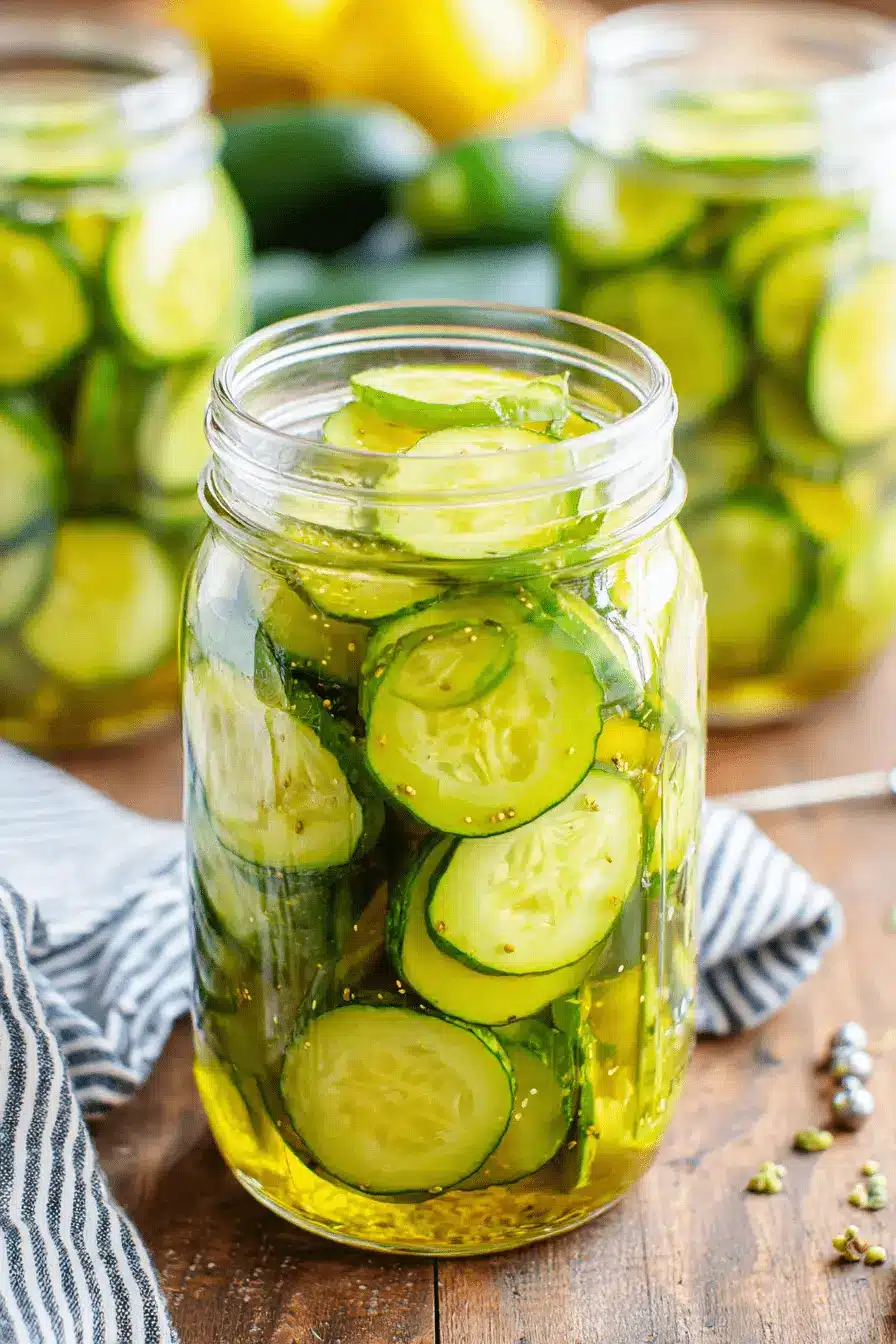
refrigerator pickles
Ingredients
Equipment
Method
- In a saucepan, whisk vinegar, salt, and sugar over high heat until dissolved. Transfer to a bowl, whisk in cold water, and refrigerate the brine until chilled.
- Divide cucumbers, coriander seeds, halved garlic cloves, mustard seeds, red pepper flakes, and dill sprigs evenly between two 1-quart jars. Fill with the chilled brine, adding cold water if needed to cover the cucumbers, then cover and refrigerate for 24 hours before serving.