
Table of Contents
Why This is the Best Focaccia Sourdough Bread Recipe
- Foolproof for Beginners: This recipe is designed with busy adults and beginner bakers in mind. The steps are clear, and the long, slow rise gives the dough time to develop flavor and texture without complicated techniques.
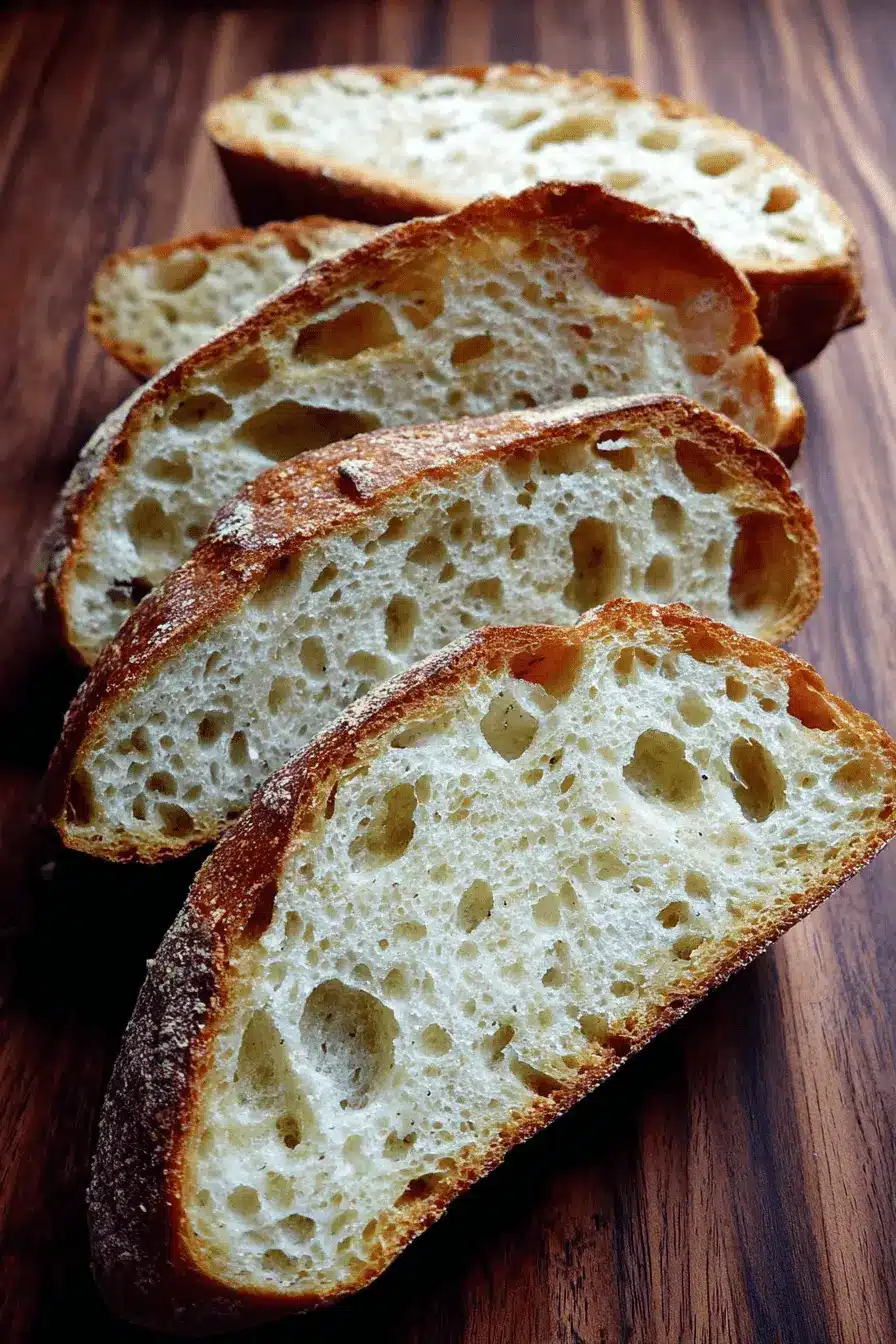
- The Secret to an Extra Bubbly Crumb: Using a bubbly, active sourdough starter and the right hydration level creates a light, airy crumb filled with beautiful bubbles.
- Backed by Baking Science: The recipe balances flour types, hydration, salt, and fermentation times to optimize gluten development and flavor.
- Endless Customization: Whether you want a classic rosemary focaccia or toppings like garlic cloves and olives, this recipe welcomes your personal touch to make it truly your own, much like our ultimate apple cinnamon sourdough bread recipe.
Understanding Your Sourdough Starter
A “bubbly, active starter” means more than just passing the float test. It should look full of life, with a domed surface covered in bubbles. When you stir or stretch it, you may see translucent strands forming, a sign the gluten and fermentation are strong. A pleasant, slightly tangy aroma is a good indicator it’s ready. To prepare it for this recipe, feed your starter about 4-8 hours before mixing, using equal parts flour and water by weight, until it becomes bubbly and active at room temperature.
Essential Equipment
Choosing the right tools affects your focaccia’s final texture and crust. A rimmed sheet pan or a non-stick rectangular pan (9×13 or 10×14 inches) is essential to hold the dough as it rises and bakes.
- Metal pans: Conduct heat quickly, promoting a crisper bottom crust.
- Glass pans: Heat more slowly and evenly, yielding a more tender crust.
- Cast iron pans: Retain heat well, giving a deeply browned, crunchy crust.
A digital scale is non-negotiable to weigh ingredients for consistent results, especially with hydration levels. It ensures you get the perfect dough texture every time.
The Science Behind the Ingredients
Flour
Bread flour has higher protein content, leading to a chewier focaccia with more rise. All purpose flour creates a more tender crumb but needs careful hydration adjustment. King Arthur’s all purpose flour is recommended for its strong protein content (over 11.7%), which can handle a higher water ratio without becoming sticky.
Water & Hydration
High hydration (the ratio of water to flour) helps develop an airy, bubbly crumb by creating a wetter, more extensible dough. Adjust water amounts if you use different flours as recommended in the recipe notes.
Salt
Salt enhances flavor and strengthens gluten by tightening the protein network, improving dough structure and its ability to trap gases.
Olive Oil
Olive oil prevents sticking and forms a golden, crisp crust along the focaccia’s edges. The oil in the dough and the one coating the pan work together to create that perfect texture.
How to Make Focaccia Sourdough Bread: A Step-by-Step Guide
Ingredients
- 50-75 g bubbly, active sourdough starter
- 375 g water (see Notes below)
- 20 g honey (optional)
- 500 g bread flour or all purpose flour (see Notes below)
- 9 g fine sea salt
- 2-3 tbsp olive oil, for coating the pan
- Assorted Toppings (optional): rosemary, garlic cloves, flaky sea salt, tomatoes, olives etc.
Instructions
- Mix starter, water, and honey: In a large bowl, whisk sourdough starter, water, and honey together using a fork.
- Add flour and salt: Incorporate flour and salt, then finish by hand to form a rough, sticky dough. Cover and rest 30 minutes to 1 hour.
- Shape dough into a ball: Return to the bowl and work dough into a ball. Cover with lightly oiled plastic wrap or place in an oiled container.
- Overnight rise: Let dough rise at room temperature (68-70 F/20-21 C) for about 12+ hours until doubled in size, much like with our amazing overnight sourdough bread recipe. Adjust if warmer.
- Prepare pan and shape dough: Coat rimmed sheet pan with olive oil. Transfer dough onto pan, flip to coat both sides, cover, and rest 1.5-2 hours until puffy. Preheat oven to 425 F (220 C).
- Dimple the dough: Use oiled fingertips to gently press dimples into dough, stretching it into a rustic shape about 14×9 inches or to the pan edges.
- Add toppings: Press your chosen toppings firmly into the dough. Keep garlic cloves in peels to avoid burning; remove peels before serving.
- Bake: Place dough in oven center rack for 25-30 minutes until crisp and golden. Cool on a wire rack before slicing.
Pro Tips for an Extra Airy, Bubbly Crumb
- Use the stretch and fold technique during the first hour of bulk fermentation. This gently strengthens gluten without heavy kneading.
- For deeper flavor and improved texture, try a longer cold ferment in the refrigerator for up to 48 hours after the initial rise. Remember to bring dough back to room temperature before shaping.
- When creating your dimples, use oiled fingertips and avoid overworking the dough. Dimples help retain air bubbles and form the focaccia’s signature texture.
- Covering the dough loosely during rising helps maintain humidity and encourages a light, puffy rise.
Creative Topping Ideas & Recipe Variations
Get creative beyond rosemary and flaky sea salt with these ideas:
- Spicy Italian: Sliced chilies, salami bits, oregano, and grated Parmesan.
- Sweet Fig & Prosciutto: Fresh figs, torn prosciutto, and a drizzle of honey after baking.
- Garden Herb & Garlic Confit: Slow-cooked garlic cloves, thyme, sage, and a sprinkle of sea salt.
How to Prep Toppings to Avoid a Soggy Focaccia
Pat vegetables dry before adding, use whole garlic cloves in their papery skins to prevent burning, and press toppings firmly into the dough to keep them anchored.
| Variation | How to Adapt the Recipe | Notes |
|---|---|---|
| Using Sourdough Discard | Replace 50g of flour and 50g of water with 100g of unfed discard. | The rise may be slower; flavor will be more tangy. Best for bakers familiar with their dough’s feel. |
| Longer Cold Proof | After the overnight bulk rise, place the dough in the fridge for up to 48 hours. | Develops a deeper, more complex sour flavor. Let the dough sit at room temp 2-3 hours before shaping. |
| Adding Whole Wheat | Substitute up to 20% (100g) of bread flour with whole wheat flour. Increase water by 15-25g. | The crumb will be slightly denser but very flavorful. |
How to Store, Freeze, and Reheat Your Focaccia
- Storage: Keep focaccia at room temperature in an airtight container or wrapped in plastic for up to 2 days.
- Freezing: Slice and freeze in airtight bags, or freeze whole wrapped focaccia. Thaw at room temperature.
- Reheating: To restore its crispy crust, reheat in the oven at 350°F (175°C) for 5-10 minutes or use an air fryer at 350°F for about 3-5 minutes.
Troubleshooting Your Sourdough Focaccia
| Problem | Solution |
|---|---|
| Dough is sticky and unworkable | Adjust hydration by slightly reducing water, especially if using a weaker all purpose flour. Use King Arthur flour if possible. |
| Focaccia dense, not bubbly | Ensure sourdough starter is active and bubbly. Avoid under or over-proofing by watching dough size and timing. |
| Crust isn’t golden and crispy | Use sufficient olive oil to coat the pan. Bake at the correct temperature and avoid overcrowding toppings. |
| Toppings sunk or burned | Press toppings firmly into dough and use whole garlic cloves with skins to protect during baking. |
Frequently Asked Questions
Can I scale this recipe for two loaves or use a different pan size?
Yes, double the ingredient amounts for two loaves and adjust rising and baking times slightly. For different pan sizes, expect the dough to spread differently; thinner dough bakes faster.
Can I make this a no-knead focaccia sourdough bread?
This recipe is already very low-effort with minimal kneading. The long, slow fermentation replaces traditional kneading for gluten development.
What is par-baking and why would I do it?
Par-baking means baking the focaccia partway (15-18 minutes) until the crust is set but pale. You can cool, wrap, and store it, then bake it again later for a freshly crisp crust. This is great for meal prepping.
How do I use this focaccia sourdough bread?
It’s delicious on its own warm but also fantastic for sandwiches, tearing into chunks for dipping, or cutting into cubes to make crunchy croutons.
Focaccia Sourdough Bread
Ingredients
Equipment
Method
- In a large bowl, whisk sourdough starter, water, and honey, then add flour and salt, mixing by hand to form a rough, wet dough. Cover and rest for 30-60 minutes, then briefly work the dough into a ball.
- Cover the dough with lightly oiled plastic wrap or transfer to a lightly oiled container, then let it rise overnight (12+ hours) at room temperature (68-70 F) until doubled.
- In the morning, coat a sheet pan with olive oil, then transfer the dough to the pan, flipping to coat both sides. Cover and let rest for 1.5-2 hours until puffy, while preheating the oven to 425 F (220 C).
- Just before baking, gently dimple the dough with oiled fingertips, stretching it outwards to form a rustic rectangular or oval shape (about 14×9 inches or larger).
- Press your chosen toppings firmly into the dough, ensuring they are well-anchored to prevent them from popping out during baking.
- Bake the focaccia on the center rack for 25-30 minutes until golden brown, then remove and cool on a wire rack before serving.
- Cut the warm focaccia into wedges or squares and serve.