
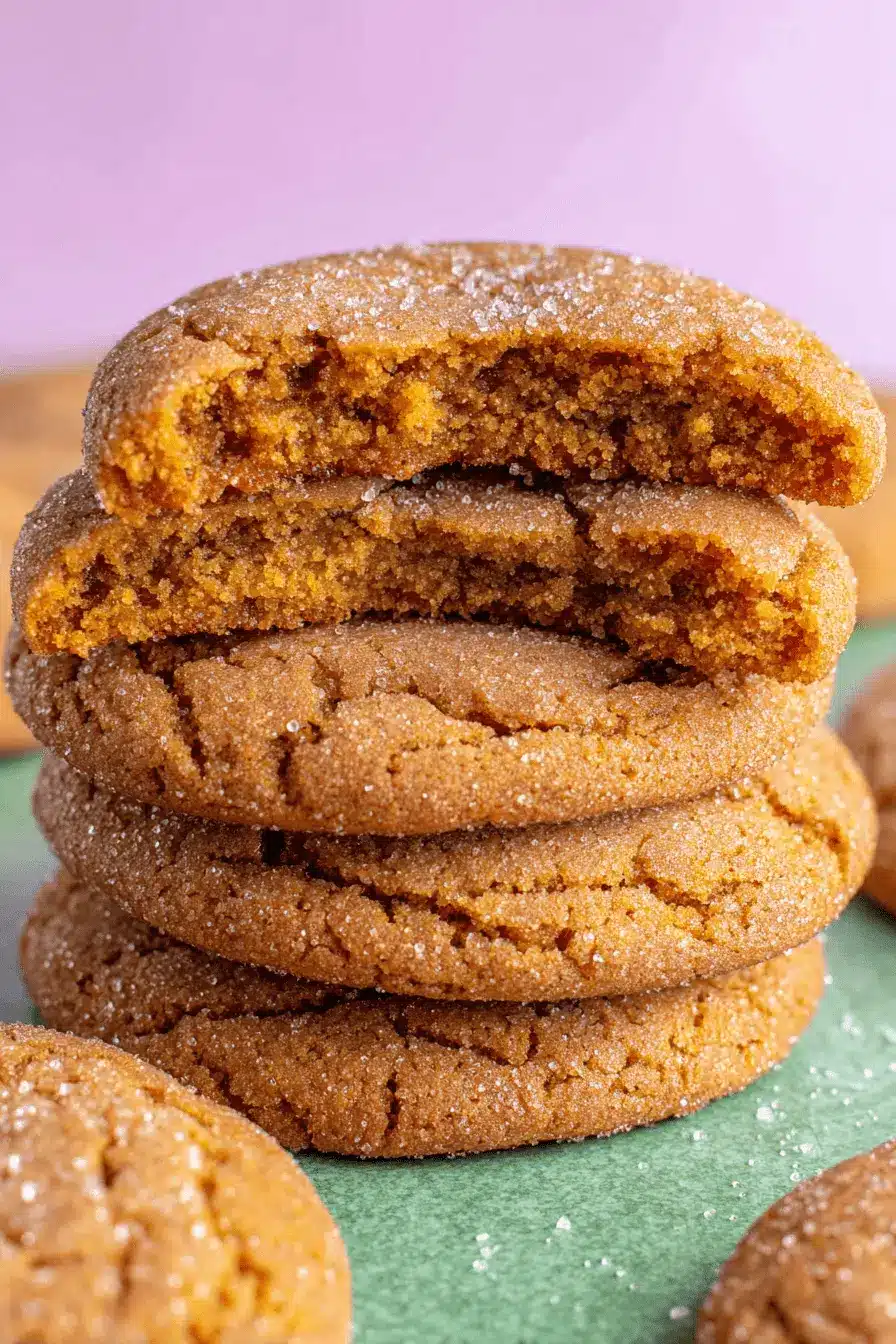
Sourdough Ginger Molasses Cookies have become my go-to treat when I want something comforting yet easy. After juggling busy days and missing familiar flavors, I found this recipe to be a perfect balance—rich, spicy, and with that wonderful chewy texture that fills the kitchen with warmth. It’s a simple way to bring joyful comfort to any cozy day or festive moment.
Table of Contents
Why You’ll Love These Sourdough Ginger Molasses Cookies
- Perfect Soft and Chewy Texture: Thanks to a deliberate balance of ingredients, these cookies achieve a tender chew that melts in your mouth without being too dense.
- Deep, Layered Flavor: The blend of cinnamon, ginger, and molasses creates a warm, spicy richness that’s both bold and nostalgic.
- Make-Ahead Friendly: You can prepare the dough in advance and refrigerate it for up to five days, making weeknight baking stress-free.
- Waste-Reducing Sourdough Discard: Incorporating sourdough starter discard gives these cookies a unique tang and texture while minimizing food waste.
The Science of the Perfect Cookie Texture
Melted Butter: Using melted butter instead of creamed butter creates a denser, chewier cookie. It coats the flour proteins more thoroughly, reducing gluten formation and enhancing moisture retention.
Sourdough Discard & Baking Soda: The acidity in the sourdough discard and molasses reacts with baking soda, providing a gentle lift and a subtle tang that balances the sweetness beautifully.
Brown Sugar & Molasses: Both add moisture and softness because of their high hygroscopic nature. This keeps the cookies chewy and contributes to their rich, molasses-forward flavor.
Ingredients for Sourdough Ginger Molasses Cookies
These ingredients are pantry staples that come together for a comforting classic:
- 2 1/2 cups all-purpose flour
- 2 teaspoons baking soda
- 2 teaspoons ground cinnamon
- 1 1/4 teaspoons ground ginger
- 1/2 teaspoon fine sea salt
- 8 tablespoons unsalted butter (melted)
- 1/4 cup dark brown sugar
- 1/3 cup granulated sugar
- 1/4 cup molasses
- 1 large egg
- 1/3 cup sourdough starter discard
- 1/4 cup sugar (you may need more)
Ingredient Spotlight: Choosing the Right Molasses & Spices
Molasses comes in light, dark, and blackstrap varieties. Light molasses is milder and sweeter, while blackstrap is stronger and more bitter. For this recipe, I recommend using dark molasses because it strikes the perfect balance — rich but not overpowering. Feel free to experiment by adding a pinch of cardamom or freshly ground black pepper for a subtle twist that complements the ginger and cinnamon.
Essential Tools
- Kitchen Scale: Ensures accurate ingredient measurements for consistent, perfect cookies every time.
- Mixing Bowls: Multiple sizes help separate dry and wet ingredients to prevent overmixing.
- Spatula or Wooden Spoon: Ideal for gently folding the dough together without toughening it.
- Cookie Scoop: Makes uniform cookie dough balls for even baking and beautiful presentation.
- Baking Sheet and Parchment Paper or Silicone Mat: Prevent sticking and make cleanup a breeze.
How to Make Sourdough Ginger Molasses Cookies
- Combine the dry ingredients. Mix the flour, baking soda, salt, ground cinnamon, and ground ginger well in a large mixing bowl, then set aside.
- Blend the wet ingredients. In a separate bowl, whisk together the sourdough starter, melted butter, brown sugar, granulated sugar, molasses, and egg until smooth and creamy.
- Mix wet into dry. Pour the wet mixture into the dry ingredients. Use a spatula or wooden spoon to combine carefully. If the dough is sticky, stir in 2-3 tablespoons of flour. Cover and refrigerate for at least one hour, up to 5 days.
- Preheat your oven. Position the oven rack in the center and heat to 350°F (176°C). Line a baking sheet with parchment paper or a silicone mat.
- Prepare cookie dough balls. Place ¼ cup granulated sugar on a plate. Using a cookie scoop, portion about 2 tablespoons of dough each. Roll each ball smooth and coat evenly in sugar.
- Bake the cookies. Arrange 12 dough balls on the sheet. Bake for 10-12 minutes until the tops crack and they spread nicely. Cool completely on a wire rack before serving.,
Aisha’s Expert Tips for Success
The Secret to the Perfect Crinkle Top
The iconic crinkly top forms as the dough spreads and the sugar crust cracks under heat. Chilling the dough helps control spread, while careful baking ensures the thin sugar layer cracks just right.
Why Chilling is Non-Negotiable
Chilling solidifies the fat so cookies don’t run flat when baked. It also hydrates the flour for better texture and deepens flavor, making your cookies even more delicious.
How to Tell When Cookies Are Perfectly Baked
Notice the edges—they should look set and baked. The tops will puff up and crack, while the center may remain slightly soft and underdone. Remember, cookies continue to set on the hot baking sheet after coming out of the oven.
Recipe Variations & Substitutions
Here’s how you can adapt this recipe to fit dietary needs:
| Ingredient to Substitute | Suggested Replacement | Expected Impact |
|---|---|---|
| Unsalted Butter | Vegan butter or coconut oil | Slightly different flavor; texture remains chewy |
| All-Purpose Flour | Gluten-free flour blend | May alter chewiness slightly; monitor dough consistency |
| Egg | Flax egg (1 tbsp flaxseed + 3 tbsp water) | Slight change in texture; slightly denser |
Make-Ahead & Storage Instructions
Storing Baked Cookies
Store baked cookies in an airtight container at room temperature for up to one week. This keeps them soft and maintains their chewy texture.
Freezing Cookie Dough for Later
To freeze, portion dough into balls and place them on a lined baking sheet. Freeze until firm, then transfer to a freezer-safe bag. You can also shape the dough into a log, wrap tightly, and freeze. Bake from frozen, adding 1-2 minutes to the baking time.
Troubleshooting Common Cookie Problems
Why did my cookies spread too much?
Overly warm dough or too much melted butter can cause excess spreading. Chill dough thoroughly and check butter quantity.
Why are my cookies cakey instead of chewy?
Using too much flour or overbaking will result in cakey cookies. Measure flour precisely and watch baking time carefully.
Why didn’t my cookies get crinkly tops?
Not chilling the dough or baking until the edges are set can prevent crinkles. Chill the dough and look for cracking sugar crust before removing from oven.
Frequently Asked Questions (FAQ)
What’s the difference between using active starter and discard in this recipe?
Using active starter can add more leavening and tang, while discard brings milder flavor and aids texture without affecting rise too much.
How does the age of my sourdough discard affect the cookies?
Older discard tends to be more acidic, which can lend a stronger tang and impact the lift with baking soda.
Can I adjust the spice level?
Absolutely! Feel free to increase or decrease cinnamon and ginger according to taste or add complementary spices.
What are the best practices for packaging these cookies for gifting or shipping?
Use airtight containers with layers of parchment paper and include a desiccant packet to keep cookies fresh and intact during transit.
Creative Serving Suggestions
- Make cookie ice cream sandwiches using vanilla or cinnamon ice cream between two cookies.
- Crumble over vanilla yogurt or ice cream for a textured, spicy topping.
- Include on a holiday dessert board alongside nuts, dried fruits, and rich cheeses.
Conclusion
This Sourdough Ginger Molasses Cookies recipe brings together deep flavor, soft chewiness, and the simple joy of baking, perfect for anyone balancing a busy life. The sourdough discard adds a special touch that turns everyday baking into something memorable. I’d love to hear how your cookies turn out! Leave a comment, ask questions, or share a photo of your baking success so we can celebrate together.
More Sourdough Recipes You’ll Love
- Sourdough Cinnamon Rolls
- Sourdough Banana Bread
- Sourdough Chocolate Chip Pancakes
- Sourdough Discard Brownies
Sourdough Ginger Molasses Cookies
Ingredients
Equipment
Method
- Combine all-purpose flour, baking soda, salt, ground cinnamon, and ground ginger in a large mixing bowl; whisk thoroughly and set aside.
- In another bowl, blend sourdough starter, melted butter, brown sugar, granulated sugar, molasses, and egg until smooth and creamy.
- Transfer the wet ingredients to the dry ingredients, blending with a spatula or wooden spoon until smooth. If sticky, mix in 2-3 tablespoons of flour, then cover and refrigerate for at least one hour (up to 5 days).
- When ready to bake, preheat your oven to 350°F (176°C) with the rack in the center position, then line a baking sheet with parchment paper or a silicone mat.
- Place ¼ cup of granulated sugar on a plate; use a cookie scoop to measure approximately 2 tablespoons of dough, roll it into a smooth ball, and coat evenly in the sugar.
- Place 12 cookie dough balls on the prepared baking sheet, bake for 10-12 minutes until spread and cracked, then transfer to a wire rack to cool completely.