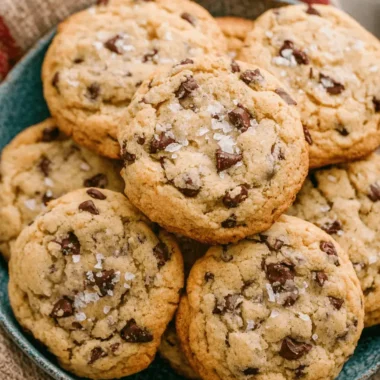

What if that jar of sourdough discard sitting in your fridge was the secret to the chewiest, most flavorful peanut butter cookies you’ve ever made? I stumbled on this recipe when I wanted to reduce waste but still enjoy something comforting and quick. These sourdough discard peanut butter cookies struck the perfect balance of soft, chewy, and with a hint of tang that makes the classic peanut butter cookie feel new and exciting.
Table of Contents
Why You’ll Love This Sourdough Discard Peanut Butter Cookie Recipe
- Foolproof Results: Simple steps without needing a stand mixer to get perfect cookies every time.
- Perfect Chewy Texture: Balanced ingredients deliver a soft, chewy cookie that’s never cakey or greasy.
- Amazing Flavor: The sourdough discard adds a subtle tang that enhances the classic peanut butter taste.
- Reduce Food Waste: A delicious way to use up your sourdough discard and avoid throwing it out.
Understanding the Key Ingredients
Using the right ingredients is the first step toward baking success. Below, I’ll break down the most important components that make these cookies shine.
The Role of Sourdough Discard
Sourdough discard isn’t just a way to avoid waste; it’s an active player in this recipe. Its natural acidity reacts with the baking soda to provide lift and control spread. Plus, it adds a subtle tangy flavor that beautifully balances the rich, creamy peanut butter, giving the cookies a unique depth. For those new to sourdough, learning to make amazing overnight sourdough bread can be a rewarding journey.
Choosing Your Peanut Butter
This recipe works best with conventional creamy peanut butter, which blends smoothly into the dough. If you prefer natural, oily peanut butter, make sure to stir it very well before adding because the dough might be softer and spread a bit differently. Either way, you’ll get a delicious cookie.
Flour, Sugars, and Leaveners
The mix of brown and granulated sugars balances chewiness and crisp edges perfectly. Brown sugar adds moisture and softness, while granulated sugar creates that lightly crisp exterior. Baking soda and baking powder team up for ideal lift and spread, baking soda reacting with the sourdough discard’s acidity, and baking powder providing additional rise.
How to Make Sourdough Discard Peanut Butter Cookies (Step-by-Step)
I’ll walk you through the process with clear tips to ensure cookie perfection.
Ingredients
- 1/2 cup unsalted butter (room temperature)
- 3/4 cup creamy peanut butter
- 1/3 cup sourdough discard (room temperature)
- 1/2 cup brown sugar
- 1/2 cup granulated sugar
- 1 egg (room temperature)
- 1 teaspoon vanilla extract
- 1 3/4 cups all-purpose flour
- 3/4 teaspoon baking soda
- 1/2 teaspoon baking powder
- 1/4 teaspoon salt
Instructions
- Prepare your oven and sheet: Place the oven rack in the middle position and preheat the oven to 350°F (176°C). Cover a baking sheet with parchment paper and set aside. Mix dough by hand or with a stand mixer using the paddle attachment.
- Mix dry ingredients: Whisk the flour, baking soda, baking powder, and salt in a bowl and set aside. In a separate bowl or stand mixer bowl, combine butter, sourdough discard, peanut butter, sugars, egg, and vanilla extract until well mixed.
- Combine wet and dry: Mix the dry ingredients with the wet just until incorporated. You can cover and refrigerate the dough for up to 3 days if you want a longer ferment and deeper flavor.
- Shape the cookies: Use a cookie scoop or two spoons to scoop dough onto the prepared baking sheet, fitting 12 portions per sheet. Dip the back of a fork in flour and press a criss-cross pattern on top of each dough ball, gently flattening into a disc.
- Bake: Bake for 9-11 minutes or until edges turn golden brown. Remove from oven and let cookies sit on the baking sheet for 10 minutes to cool and firm up.
- Cool and store: Transfer cookies carefully to a wire rack to finish cooling. Store in an airtight container at room temperature for up to a week or freeze in a freezer-safe container for up to 6 months.
Pro Tips for Success
- Don’t overmix: Combine dry ingredients until just incorporated to keep cookies tender.
- Long ferment option: Refrigerating dough up to 3 days enhances flavor and texture.
- Perfect criss-cross: Dip your fork in flour or sugar to prevent sticking while pressing the pattern.
- Don’t overbake: Remove cookies when edges are set but centers look slightly underdone and puffy; they’ll finish baking on the hot sheet. Beyond cookies, sourdough starters can be used for many delicious bakes, like irresistibly soft pull apart dinner rolls.
Fun Variations and Mix-Ins
- Fold in 1 cup chocolate chips or peanut butter chips for extra indulgence.
- Add a teaspoon of cinnamon to the dry ingredients for warmth and spice.
- Press a mini peanut butter cup into the center of each dough ball before baking.
- Sprinkle flaky sea salt on top just before baking for a sweet-salty contrast.
Dietary Substitutions
| Original Ingredient | To Make It… | Substitution & Notes |
|---|---|---|
| All-purpose flour | Gluten-Free | Use a 1-to-1 gluten-free flour blend |
| Egg | Vegan | Substitute with 1 flax egg (1 tbsp flaxseed meal + 3 tbsp water, mixed and rested) |
| Unsalted butter | Vegan | Use quality plant-based butter |
Storage and Freezing Instructions
Store your baked cookies in an airtight container at room temperature for up to a week. For longer storage, freeze baked cookies in a freezer-safe container for up to 6 months. You can also freeze unbaked cookie dough balls on a baking sheet, then transfer them to a freezer bag once firm. Bake from frozen, adding a couple of extra minutes to the baking time.
Frequently Asked Questions (FAQ)
Why did my cookies spread too much?
Too much butter or warm dough can cause excessive spread. Refrigerate dough before baking or reduce butter slightly for firmer cookies.
Why are my cookies dry and crumbly?
Overbaking or too much flour can dry cookies out. Make sure to remove cookies when edges are set but centers are still slightly soft.
Can I use active, bubbly sourdough starter instead of discard?
No, active starter is more hydrated and bubbly, which changes dough consistency. Use discard as it has less hydration and more acidity needed for leavening.
Can I double this recipe?
Yes, doubling works well. Bake cookies on multiple sheets, rotating halfway through to ensure even baking.
Do I have to use a stand mixer?
No, mixing by hand works perfectly fine, just ensure everything is well combined.
More Recipes Using Sourdough Discard
- Sourdough Discard Chocolate Chip Muffins
- Sourdough Discard Banana Bread
- Sourdough Discard Pancakes
- Sourdough Discard Cinnamon Rolls
Conclusion
I truly hope you love these Sourdough Discard Peanut Butter Cookies as much as I do! They’re simple, quick, and full of comforting flavor, perfect for busy days when you want a treat without fuss. If you try the recipe, I’d be so grateful if you could leave a comment and a star rating below. I can’t wait to hear what you think!
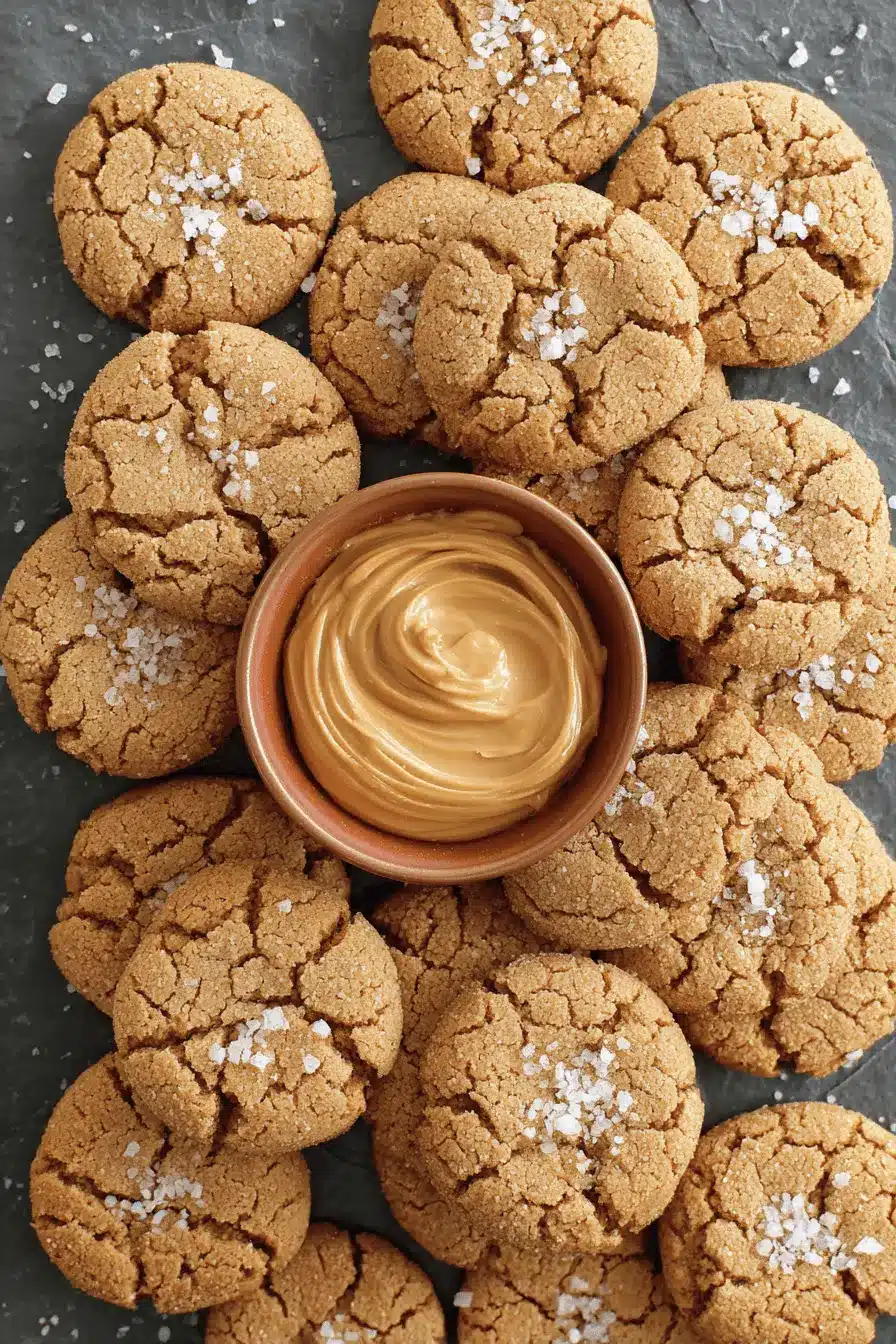
Sourdough Discard Peanut Butter Cookies
Ingredients
Equipment
Method
- Preheat the oven to 350°F (176°C) with the rack in the middle position, then line a baking sheet with parchment paper and set aside.
- Whisk the dry ingredients (flour, baking soda, baking powder, salt) in one bowl. In a separate bowl or stand mixer, combine butter, sourdough discard, peanut butter, both sugars, egg, and vanilla extract until well mixed.
- Gradually add the dry ingredients to the wet ingredients, mixing until just incorporated. (Optionally, cover the dough and refrigerate for up to 3 days for a long ferment.)
- Scoop dough portions onto the prepared baking sheet, fitting 12 per sheet. Dip a fork in flour and press a criss-cross pattern onto each dough ball, gently flattening it into a disc shape.
- Bake the cookies for 9-11 minutes, or until they are golden brown. Remove the baking sheet from the oven and let the cookies cool on the sheet for 10 minutes to firm up.
- Carefully transfer the cooled cookies to a wire rack to finish cooling completely. Store in an airtight container at room temperature for up to a week, or in a freezer-safe container in the fridge for up to 6 months.