

Hello friend! Welcome back to my kitchen. If you are new here, I’m Aisha, and I am so glad you stopped by. Today, I want to talk about a leafy green that used to intimidate me but has now become a staple in my home.
When I first moved to the U.S., trying new vegetables felt like a gamble. I wanted comfort and familiarity, not a science experiment. But then I discovered how incredible a simple dandelion greens recipe can be. It is earthy, savory, and incredibly fast to make.
If you are looking for a side dish that is healthy but doesn’t taste like “rabbit food,” this is for you. It takes about 10 minutes from start to finish. You can handle this, and I promise it will make your weeknight dinner feel just a little more special.
Why You’ll Love This Quick Dandelion Greens Recipe
I know life is busy. Between work and family, you don’t need another complicated project. Here is why this recipe works for real life:
- It is Lightning Fast: You only need about 10 minutes total. It is perfect for those nights when you need a healthy side dish right now.
- Simple Ingredients: You likely have the oil and seasonings in your pantry already.
- Approachable Flavor: If you are worried about bitterness, do not stress. The cooking method and the Parmesan cheese smooth everything out beautifully.
- Zero Stress: You cannot mess this up. It is forgiving and reliable.
What are Dandelion Greens? (Wild vs. Cultivated & Health Benefits)
You might know dandelions as those yellow flowers in the grass, but the greens are a culinary powerhouse. There are two main types you will encounter.
Wild Dandelion Greens are the ones you might forage. They tend to be smaller with jagged leaves and a stronger, more bitter bite. Cultivated Dandelion Greens are what you find at the grocery store or farmer’s market. These are usually larger, bunchier, and have a slightly milder flavor.
Beyond the taste, these greens are incredible for your body. Here are a few reasons to love them:
- Vitamin K: They are loaded with it, which is great for bone health.
- Liver Support: traditionally, people use them to help support liver function.
- Antioxidants: They are packed with compounds that help fight oxidative stress in the body.
How to Clean Dandelion Greens Effectively (A Critical First Step!)
I learned this the hard way: nobody likes gritty greens. Cleaning your produce is the most important step for a good meal.
First, fill a large bowl or a clean sink with cold water. Submerge your greens completely. Swish them around gently with your hands to loosen any dirt or sand. The grit will sink to the bottom.
Lift the greens out of the water rather than pouring the water out; otherwise, the dirt just falls back on them. If the water looks cloudy, rinse the bowl and repeat the process. Finally, dry them thoroughly with a salad spinner or clean towels. Dry greens sauté much better than wet ones!
The Secret to Less Bitter Dandelion Greens
Resistance to bitterness is the main reason people avoid these greens. Dandelions naturally contain compounds that give them a sharp bite. However, you can manage this easily.
Wild vs. Cultivated Bitterness
If you pick wild greens, expect a stronger flavor. Cultivated greens from the shop are generally safer for beginners. Also, greens harvested in the spring are usually more tender and mild compared to those picked in the hot summer.
Our Quick Blanched & Sautéed Method
Heat helps mellow the flavor. While some recipes call for boiling (blanching) them in water first, my quick sauté method works wonders too. The heat softens the leaves and reduces that raw pungency without turning them into mush.
Pairing for Balance: Acid, Fat, and Sweetness
Balancing flavors is the key to cooking with confidence. Fat, like the olive oil and Parmesan in this recipe, coats the tongue and masks bitterness. Salt also suppresses bitter notes. The result is a savory, balanced bite that feels comforting rather than harsh.
Ingredients for Your Quick Dandelion Greens Recipe
Here is exactly what you need to make this dish.
- 1 tablespoon extra-virgin olive oil
- 2 ounces dandelion greens
- ⅛ teaspoon garlic powder
- ⅛ teaspoon black pepper
- ¼ teaspoon salt
- ¼ cup shredded Parmesan cheese
Simple Steps to Sautéed Dandelion Greens
- Pour the oil into a frying pan, and heat it on medium-high.
- When the oil is hot, add the dandelion greens, and sauté them for 3 minutes.
- Sprinkle the greens with the garlic powder, black pepper, and salt.
- Cook, stirring, for 1 minute.
- Transfer the greens to a serving dish, and top them with shredded Parmesan cheese.
Serving Suggestions for Your Dandelion Greens
This dish is versatile enough to fit into almost any meal plan.
For a comforting weeknight dinner, I love serving this alongside roasted chicken thighs or a simple pan-seared steak. The earthiness of the greens cuts through the richness of the meat perfectly. If you want a vegetarian option, try stirring these greens into a bowl of creamy polenta or risotto.
You can even enjoy them for breakfast! Serve these sautéed greens next to two fried eggs and a slice of toast. It is a savory, energizing way to start your morning.
Flavorful Variations for Your Dandelion Greens
Once you master the basic recipe, you might want to switch things up. Here are three variations I enjoy when I want to experiment.
Garlicky Lemon Dandelion Greens
If you love bright flavors, add a clove of minced fresh garlic during the sauté step. Finish the dish with a fresh squeeze of lemon juice right before serving. The acid wakes up the whole dish.
Spicy Asian-Inspired Dandelion Greens
Swap the olive oil for sesame oil. Instead of salt, use a splash of soy sauce or tamari. Add a pinch of red pepper flakes while cooking for a gentle kick of heat.
Creamy Parmesan Dandelion Greens
To make it extra indulgent, increase the Parmesan cheese slightly. You could even add a teaspoon of cream cheese or a splash of heavy cream at the very end to create a rich, creamy sauce that coats the leaves.
Can You Meal Prep Dandelion Greens? (Storage & Freezing Tips)
Yes, you absolutely can. As a busy person, I know how helpful it is to cook once and eat twice.
Storage: Store any leftover cooked greens in an airtight container in the refrigerator. They will stay fresh for 3 to 4 days. You can reheat them quickly in a pan or the microwave.
Freezing: You have two options. You can freeze the cooked greens in a sealed freezer bag for up to 3 months; just thaw and reheat. If you want to freeze raw dandelion greens, you must blanch them in boiling water for 2 minutes, plunge them into ice water, dry them, and then freeze them. This preserves their color and texture.
Frequently Asked Questions about Dandelion Greens
What do dandelion greens taste like?
They have a distinct, earthy flavor that is noticeably bitter and slightly peppery. Think of them like a more intense version of spinach or arugula. Cooking them softens the texture and mellows the bitterness significantly.
Can you eat dandelion greens raw?
Yes, you can eat them raw. Younger, smaller leaves are best for salads as they are more tender and less bitter. If you use larger leaves raw, be prepared for a very strong, sharp flavor and a tougher texture.
What can I substitute for dandelion greens?
If you cannot find dandelion greens, don’t worry. Here are some great alternatives.
| Substitution | Notes on Flavor & Texture | Cooking Adjustments |
|---|---|---|
| Arugula | Peppery, less bitter, delicate texture | Cook briefly, add at the end of sautéing. |
| Endive / Radicchio | Crisp, notably bitter, less earthy | Slice thinly, sauté briefly or grill. |
| Mustard Greens | Pungent, spicy, moderately bitter, sturdy | Similar cooking time, may require extra blanching. |
| Escarole | Mildly bitter, slightly sweet, broad leaves | Similar cooking time, good for sautéing or soups. |
| Broccoli Rabe (Rapini) | Distinctly bitter, robust, earthy | May need blanching for longer to tenderize and reduce bitterness. |
How does harvest time affect bitterness?
Greens harvested in the early spring are tender and mild. As the plant matures and flowers in the summer, the leaves become tougher and much more bitter. If you are foraging or buying from a farm, ask when they were picked.
Is it safe to forage for dandelion greens?
Yes, but you must be careful. Only pick dandelions from areas you know are free from pesticides, herbicides, and animal waste. Avoid high-traffic roadsides where exhaust fumes settle. Always wash foraged greens exceptionally well.
Conclusion
See? That wasn’t scary at all. Making this dandelion greens recipe is a small victory you can claim any night of the week. It is healthy, quick, and surprisingly comforting.
I hope this helps you feel a little more confident in the kitchen today. I would love to hear from you! Leave a comment below and tell me how it turned out, or tag me on social media with a photo of your dinner. Let’s celebrate those kitchen wins together!
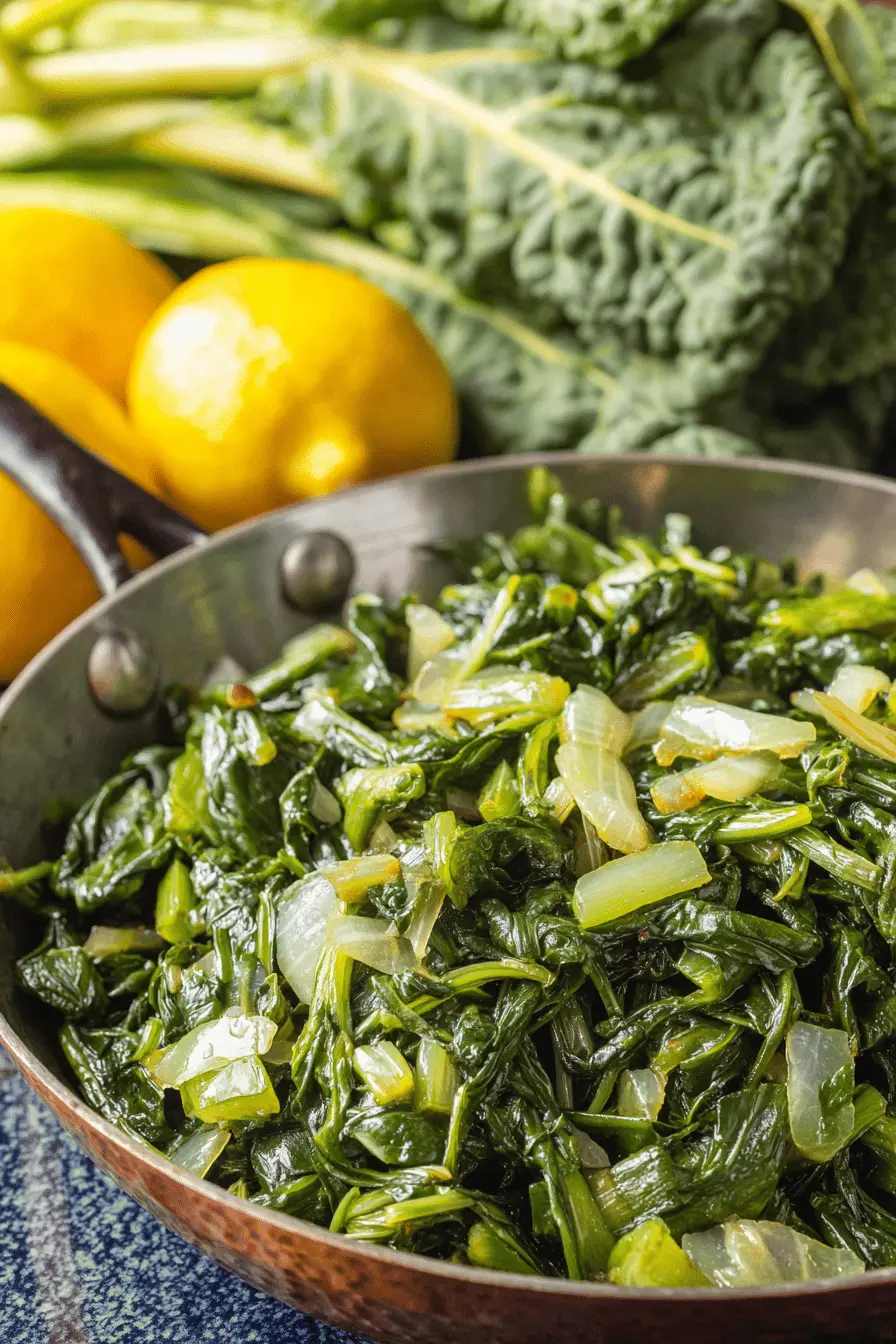
dandelion greens recipe
Ingredients
Equipment
Method
- Pour the olive oil into a frying pan and heat it over medium-high heat.
- Add the dandelion greens to the hot oil and sauté them for 3 minutes.
- Sprinkle the greens with garlic powder, black pepper, and salt.
- Continue to cook, stirring, for 1 minute.
- Transfer the greens to a serving dish and top them with shredded Parmesan cheese.