
If you’re anything like me, you’re constantly juggling work, family, and that looming question of “what’s for dinner?” I know how overwhelming it can feel when life gets busy and you just want something good for yourself and your family without the stress. That’s why I am so excited to share this dandelion tea recipe with you.
It might sound fancy or complicated to forage for your own tea, but I promise you, it is one of the simplest ways to bring a little nature into your kitchen. This isn’t just a drink; it’s a refreshing, revitalizing break in a glass. Plus, it’s quick to make, meaning you can enjoy a healthful boost even on your busiest days.
Why You’ll Love This Dandelion Tea Recipe
I’ve tried a lot of different brewing methods in my journey from a nervous cook to a confident kitchen experimenter. Here is why I think you are going to adore this specific version:
- Whole Plant Power: Unlike many recipes that only use the root or the leaf, this recipe utilizes the whole dandelion (root included) to maximize those earthy benefits.
- Easy Foraging Guidance: I break down exactly how to find and prep your ingredients so you feel confident, not confused.
- Refreshingly Cold: While many herbal teas are hot, this recipe is designed as a crisp iced tea, perfect for cooling down after a long day.
- Flavor Balanced: By incorporating ginger, lemon, and honey, we smooth out the natural bitterness of the greens for a taste that is truly delicious.
What Exactly is Dandelion Tea?
If you are new to this, you might be thinking, “Aisha, isn’t that just a weed from the backyard?” Well, yes, but it is also so much more! Dandelion tea is an herbal infusion made from the dandelion plant (Taraxacum officinale).
Historically, it has been used for centuries across different cultures as a natural remedy. It helps support digestion and general wellness. Today, it’s gaining popularity again because folks like us are looking for simple, natural ways to feel good without spending a fortune on fancy supplements.
The Amazing Health Benefits of Dandelion Tea
I love knowing that what I’m drinking is actually doing my body good. When I started looking into the science behind this humble plant, I was amazed. It’s like a little health boost in a glass.
Dandelion tea is rich in vitamins A, C, and K, along with minerals like iron and calcium. It contains compounds like inulin, which is a type of soluble fiber that supports healthy gut bacteria. It also has taraxacin, which is believed to help stimulate digestion, and luteolin, a flavonoid with potential antioxidant properties.
Here is a quick breakdown to help you understand what you’re sipping on:
Dandelion Root, Leaf, and Flower: What’s the Difference for Your Tea?
| Part of Plant | Primary Benefits | Taste Profile | Best Prep Method |
|---|---|---|---|
| Root | Supports liver health and digestion. Rich in inulin. | Earthy, roasted, slightly bitter (coffee-like). | Simmering (decoction) to extract deep nutrients. |
| Leaf | Acts as a noticeable diuretic helps reduce water weight. | Grassy, mineral-rich, can be bitter. | Steeping (infusion) like delicate tea leaves. |
| Flower | subtle immune support and antioxidant-rich. | Sweet, light, and honey-like. | Light infusion to preserve delicate flavor. |
Foraging and Harvesting Dandelions for Your Homemade Tea
I used to be intimidated by the idea of picking my own food. But trust me, once you try it, it feels incredibly empowering! It’s a wonderful excuse to get outside and breathe some fresh air.
How to Identify Dandelions Safely (and Avoid Look-Alikes)
Before you start picking, you want to be sure you have the right plant. True dandelions have a few distinct features. Look for a single, hollow stem with milky sap inside. There should only be one flower per stem.
The leaves are hairless and have jagged “teeth” that point backward toward the center of the plant. Avoid plants with branching stems or hairy leaves, as those are likely look-alikes like catsear or hawksbeard.
Where to Harvest Dandelions (and Where to Avoid)
This is the most important rule of foraging: location matters. You want to pick your dandelions in a clean, chemical-free area.
- Avoid: Roadsides (exhaust fumes), parks that are treated with pesticides or herbicides, and areas with heavy dog walking traffic.
- Pick: Your own pesticide-free backyard or a friend’s untreated garden are the safest spots.
Best Time to Harvest Dandelions for Tea
Spring and early summer are the absolute best times to harvest. This is when the leaves are most tender and less bitter.
For the sweetest flowers, try to harvest in the late morning after the dew has dried but before the sun gets too hot. The flowers should be fully open and cheerful!
Harvesting Specific Parts for Your Dandelion Tea
Here is my routine for getting the goods:
- For the Root: You’ll need a tool to get deep. A sturdy weeding fork is perfect for this. Loosen the soil around the base and pull gently to get the whole taproot.
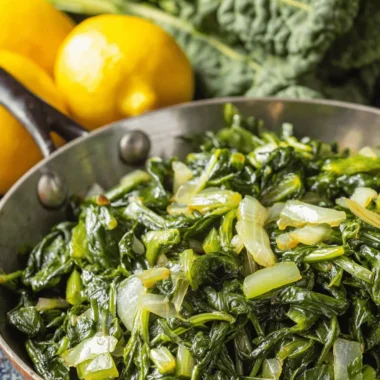
- For the Leaves: simply snip the young, tender leaves from the center of the rosette. You can also use these tender leaves in a simple dandelion greens recipe for a nutritious side dish.
- For the Flowers: Pop the yellow heads right off the top of the stem. These vibrant flowers are also perfect for making a delightful magic dandelion jelly recipe.
How Long Can I Store Freshly Harvested Dandelions?
If life gets in the way and you can’t make tea immediately, don’t worry. You can store the unwashed roots and leaves in the refrigerator, wrapped in a slightly damp paper towel inside a bag, for about 2 to 3 days. The flowers, however, are best used immediately as they tend to wilt quickly.
How to Clean Dandelions for Your Tea Recipe
Since we pulled these from the ground, giving them a good bath is essential. Cleanliness is key to good flavor and safety!
- Roots: Scrub these vigorously under cold running water until all the dirt is gone. You might need a small vegetable brush. Chop them into small pieces.
- Leaves: Rinse these gently in a colander to remove any dust or bugs.
- Flowers: Give them a quick, gentle rinse or shake them out to ensure no little critters are hiding inside.
Our Signature Dandelion Iced Tea Recipe (Whole Plant)
This is my go-to recipe when I want something that tastes like a treat but works like a tonic. It’s incredibly refreshing.
- Prep Time
- 15 minutes
- Cook Time
- 5-10 minutes
- Yield
- A large pitcher (approx. 8 cups)
Equipment Needed
- Medium Saucepan with lid
- Strainer
- Large Pitcher
- Knife and cutting board
Ingredients
- 15 whole dandelions (root included)
- 1/4 cup loose black tea or 4 tea bags
- 1 lemon (sliced)
- 1/2 tablespoon ginger
- 2 cups of water
- 6 cups of ice
- 3/4 cup raw honey
Instructions
- Pour 2 cups of water in saucepan. Add your dandelions, tea, ginger and bring to simmer and cover.
- Let it simmer for a few minutes and then turn off the heat.
- Allow to cool for about 5 minutes.
- Once slightly cooled, but not yet cold – add in your honey and lemon slices.
- Take a large pitcher and fill it halfway with ice. Pour the tea into the pitcher through a strainer.
- You can serve it in glasses and use dandelions, fresh mint leaves or lemon slices as garnish.
- Enjoy!
Notes & Storage Tips
This tea stores beautifully in the fridge for up to 3 days. The flavor actually melds and gets better overnight!
If you have kids (or are just a kid at heart like me), try pouring the mixture into popsicle molds. It makes for a delicious, soothing frozen treat on a hot afternoon.
Making Dandelion Tea: Hot vs. Iced
While this recipe is designed for a refreshing iced experience, you can absolutely drink it hot. If you prefer a cozy mug, simply skip the ice.
After adding the honey and lemon in step 4, just pour the warm mixture directly into your favorite mug through a strainer. It’s wonderfully soothing on a rainy evening or when you’re feeling a bit under the weather.
Beyond the Brew: More Dandelion Tea Variations
One of the things I love about cooking is experimentation. Once you get comfortable with the main recipe, you can try these variations depending on what parts of the plant you have.
Pure Dandelion Root Tea (Hot)
If you just want the liver-supporting benefits of the roots, chop them up and simmer them in water for about 20 minutes. The longer you simmer the roots, the stronger and earthier the flavor will be. Strain and enjoy.
Pure Dandelion Leaf Tea (Hot)
The leaves are more delicate. Treat them like regular green tea. Pour boiling water over the fresh or dried leaves and let them steep for 5 to 10 minutes. This will be more bitter, so have your honey ready!
Pure Dandelion Flower Tea (Hot & Iced)
This is the lightest variation. Pull the yellow petals away from the green base (the sepals) to avoid bitterness. Steep the petals in hot water for a tea that tastes vaguely of honey and sunshine.
Roasted Dandelion Root Coffee (A Popular Alternative)
If you are trying to cut back on caffeine, this is a game-changer.
- Clean and chop the roots.
- Roast them in the oven at 350°F (175°C) for about 15-20 minutes until they are dark and fragrant.
- Grind them in a coffee grinder.
- Brew just like coffee! It has a rich, roasted flavor that satisfies that morning craving.
Flavor Enhancements & Sweetener Strategies for Your Dandelion Tea
Let’s be honest—dandelion greens can be bitter. That is actually a sign of their health benefits, but we want our tea to taste good, too!
Sweeteners & Bitterness Control
I use raw honey in this recipe because it pairs perfectly with the floral notes. However, maple syrup creates a lovely, rich depth, and stevia works well if you are watching your sugar intake. If the tea is too bitter for you, don’t be afraid to increase the water or reduce the steeping time next time.
Spice & Citrus Pairings
Ginger and lemon are my favorites, but you can get creative. A cinnamon stick adds warmth, while a few pods of cardamom can make it taste exotic. Orange peel is also a fantastic substitute for lemon if you want a sweeter citrus note.
Serving Suggestions
I love serving this in tall glass jars with plenty of ice. Garnish with a fresh sprig of mint or even a few edible violet flowers if you have them. It pairs wonderfully with a light salad or a grilled chicken dinner.
Drying Dandelions for Later Use
If you hit a “goldmine” of dandelions, don’t let them go to waste. You can dry them for winter use.
Spread your cleaned roots, leaves, or flowers on a drying rack in a dry, well-ventilated area out of direct sunlight. You can also use a dehydrator on the lowest setting. Once they are “cracker crisp” and snap easily, store them in airtight glass jars in a dark cupboard.
Frequently Asked Questions about Dandelion Tea
Since starting AishaRecipes, I’ve had quite a few questions about this specific tea. Here are the answers to the most common ones.
Can I use dried dandelions or store-bought dandelion tea bags/roasted root?
Absolutely! We are busy adults; there is no shame in shortcuts. If you can’t forage, bought is fine. Just follow the package instructions for amounts, as dried herbs are more potent than fresh ones.
What does dandelion tea taste like?
It depends on the part you use! The root is earthy, nutty, and roasted (like coffee). The leaves are grassy and slightly bitter (like spinach tea). The flowers are floral and sweet. My recipe blends these with black tea, ginger, and lemon for a balanced, refreshing spiced tea flavor.
Is picking dandelions bad for pollinators?
This is such a thoughtful question. Bees do love dandelions. My rule of thumb is to never take the first patch I see, and never take more than a third of what is available. Leave plenty for our buzzing friends!
Are there any contraindications or side effects of drinking dandelion tea?
Dandelion is generally safe, but it is a diuretic (it makes you pee). If you are on water pills, blood thinners, or have gallbladder issues, please chat with your doctor before adding this to your routine.
Can this dandelion tea recipe be scaled up or down easily?
Yes, it is very forgiving. If you are making it just for yourself, halve the ingredients. If you are hosting a backyard BBQ, double everything!
Conclusion: Enjoy Your Homemade Dandelion Tea!
I hope this guide helps you feel a little more confident about stepping into your yard and bringing some wild wellness into your kitchen. Making this dandelion tea recipe is a small act of self-care that tastes delicious.
Remember, cooking doesn’t have to be perfect to be wonderful. Give this a try, and let me know how it goes! Did you try the popsicle trick? Did you add a different spice? Leave a comment below—I’d love to hear about your kitchen wins!

Dandelion Tea Recipe
Ingredients
Equipment
Method
- In a saucepan, combine 2 cups of water, dandelions, tea, and ginger. Bring the mixture to a simmer and cover.
- Allow the mixture to simmer for a few minutes, then remove from the heat.
- Let the tea cool for approximately 5 minutes.
- Once slightly cooled but still warm, stir in the honey and lemon slices.
- Fill a large pitcher halfway with ice, then pour the tea through a strainer into the pitcher.
- Serve in glasses, optionally garnished with dandelions, fresh mint leaves, or additional lemon slices. Enjoy your refreshing dandelion tea!