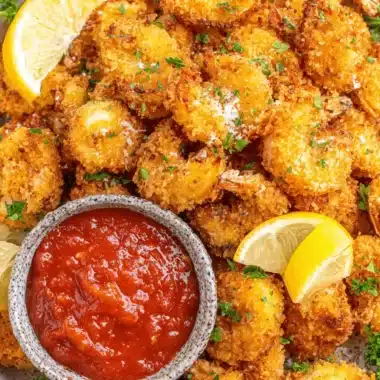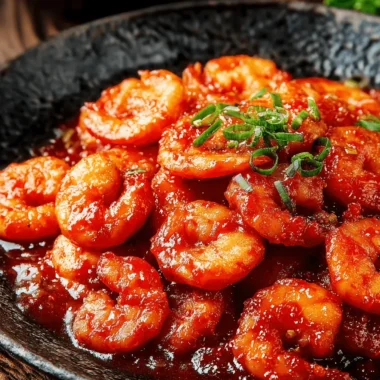

I remember when I first landed in the U.S., trying to recreate the comforting flavors I loved from home while juggling nonstop days. This shrimp pasta quickly became my lifesaver—elegant yet so simple to make. It’s the kind of quick, comforting dinner that feels like a win after a busy day and one of my absolute go-to shrimp pasta recipes.
Table of Contents
Why You’ll Love This Shrimp Pasta Recipe
If you’re anything like me, finding time for dinner isn’t always easy. That’s why this shrimp pasta recipe is a total game-changer. It’s quick to prepare, uses simple ingredients, and nails that perfect balance of creamy sauce and tender shrimp without any fuss. Whether it’s a busy weeknight or a last-minute dinner plan, this shrimp pasta comes together in under 30 minutes, making it a reliable, delicious option you’ll want to keep on repeat.
- A foolproof method for perfectly cooked shrimp every single time, tender, juicy, and never rubbery.
- Creamy, velvety sauce that coats every strand of linguine with rich Parmesan goodness.
- Minimal prep and cook time, perfect for busy adults who want flavor without stress.
- Versatile enough for casual family dinners or a cozy date night at home.
Choosing the Best Ingredients for Shrimp Pasta
Great shrimp pasta starts with great ingredients and knowing how to pick and use them makes all the difference.
Choosing Your Shrimp: Size, Type, and Preparation
Frozen, peeled, and deveined shrimp are my favorite because they save precious prep time without sacrificing taste. When buying shrimp, aim for medium to large-sized for the best texture and flavor. Thaw frozen shrimp overnight in the fridge or quickly under cold running water to keep them firm. If you prefer fresh shrimp, ensure they’re cleaned and deveined well before cooking.
Picking the Perfect Pasta: Shapes and Alternatives
Linguine is ideal for creamy sauces like this shrimp pasta because its flat ribbons hold sauce beautifully. If linguine isn’t available, fettuccine, spaghetti, or even a thinner tagliatelle work well. For gluten-free options, brown rice or corn-based pasta are excellent substitutes but keep in mind their cooking times may vary slightly.
Building Rich Flavor: Key Boosters
Freshly grated Parmesan cheese truly elevates the creaminess, adding sharp, nutty depth that pre-grated options can’t match. Fresh minced garlic infuses the sauce with vibrant aroma and flavor, making the dish feel homemade and comforting. These simple ingredients pack a powerful punch in shrimp pasta.
Full Ingredient List
- 8 ounces linguine pasta
- 1 tablespoon olive oil
- 1 ½ tablespoons butter (divided)
- 1 pound raw shrimp (buy frozen, peeled, and deveined shrimp)
- ½ teaspoon salt
- ¼ teaspoon ground black pepper
- 1 tablespoon Old Bay seasoning (optional – or smoked paprika or cajun)
- 1 clove garlic (minced)
- ½ cup heavy cream (double cream in the UK)
- ½ cup parmesan (grated)
- ¼ cup chopped fresh parsley (chopped)
Step-by-Step Instructions: How to Make Shrimp Pasta
- Boil and cook pasta: In a medium saucepan, boil salted water. Add linguine and cook according to package directions until al dente. Reserve 1 cup pasta water, then drain the pasta.
- Cook shrimp: Heat 1 tablespoon butter with olive oil in a skillet over medium heat. Add shrimp and cook for 1 minute. Season with salt, pepper, and Old Bay seasoning or paprika if using.
- Finish shrimp cooking: Continue cooking shrimp until pink and opaque. Cook in batches if needed to avoid overcooking. Remove shrimp from the pan and set aside.
- Make the sauce: Melt remaining butter in the same pan. Add minced garlic and cook for 30 seconds until fragrant. Pour in heavy cream and use a spatula to deglaze the pan.
- Add cheese and sauce consistency: Stir in Parmesan cheese and let it melt. Add reserved pasta water to loosen the sauce, then simmer for 1 minute. Taste and adjust salt and pepper if needed.
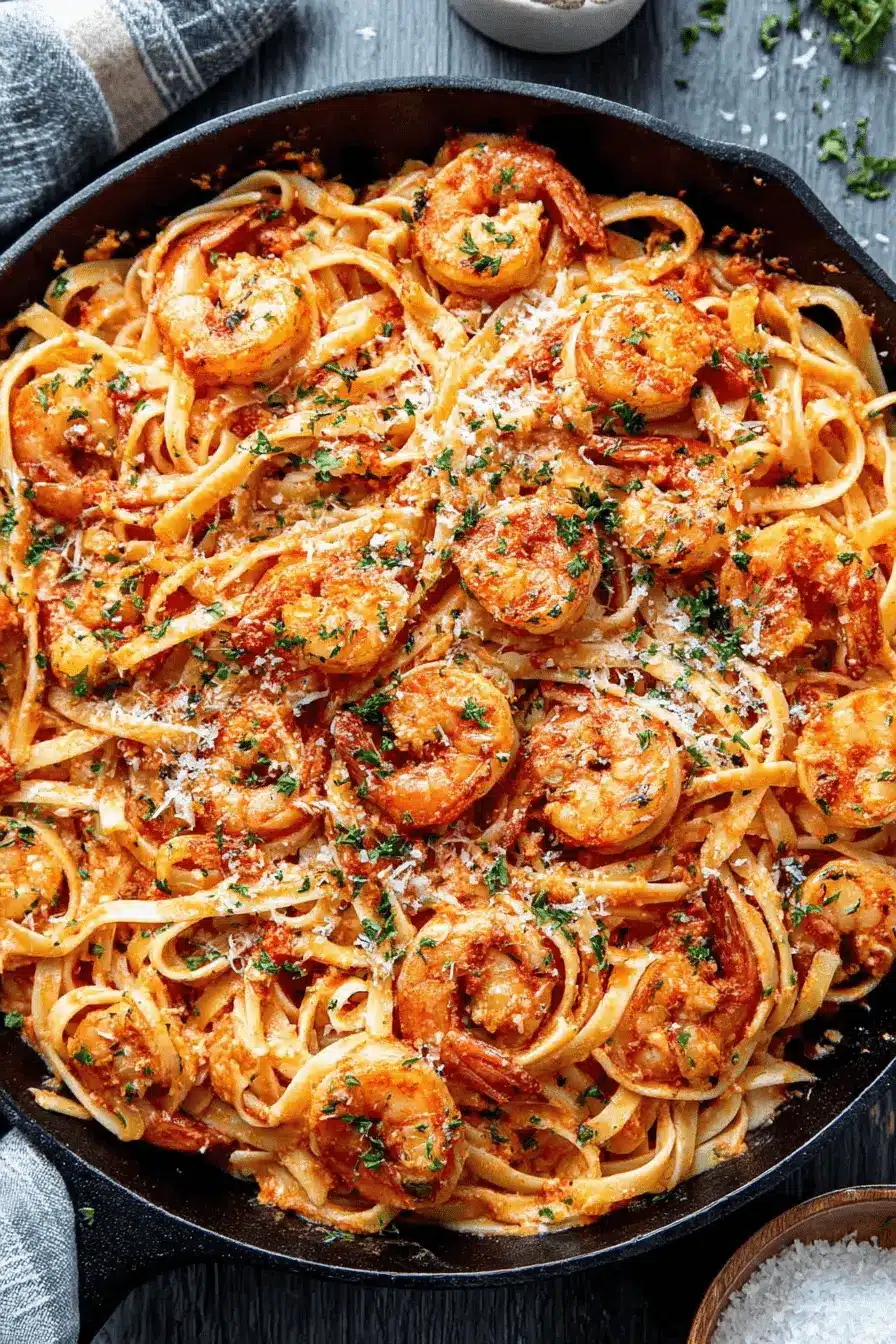
- Combine and serve: Toss pasta in the sauce until well coated. Add shrimp back to the pan to reheat gently. Garnish with fresh parsley and serve immediately.
Cooking Shrimp to Perfection: No More Rubbery Shrimp!
Shrimp should curl into a gentle C shape when cooked; overcooked ones curl tightly into an O and become rubbery. Cook shrimp in batches if your pan is crowded—this helps them cook evenly and stay juicy. The ideal internal temperature for shrimp is about 120°F (49°C) to avoid toughness.
Achieving a Velvety Sauce: Troubleshooting Consistency
- Sauce too thick: Add reserved pasta water slowly; the starch helps thin and emulsify the sauce perfectly.
- Sauce too thin: Let it simmer gently to reduce or add a little more Parmesan to thicken.
- Sauce splitting: Keep the heat low when adding cream and cheese; add cream gradually to prevent separation.
The magic lies in emulsification—a process that blends fat and liquid into a smooth, shiny sauce.
Deglazing 101: Unlocking Flavor
Deglazing means scraping up the brown bits stuck to the pan after cooking shrimp. These bits hold intense flavor and by adding cream or pasta water, you dissolve and incorporate that richness into your sauce. It’s an easy, delicious way to deepen the dish’s flavor with no extra effort.
Delicious Flavor Twists
- Spicy Shrimp Pasta: Add red pepper flakes with the seasoning for a gentle kick.
- Lemon-Herb Shrimp Pasta: Stir in fresh lemon zest and juice with extra herbs like basil or thyme.
- Sun-Dried Tomato Shrimp Pasta: Fold in chopped sun-dried tomatoes for a tangy, savory touch.
Adding Fresh Vegetables
Spinach, cherry tomatoes, asparagus, or bell peppers all pair beautifully. Add spinach or cherry tomatoes to the sauce in the last 2 minutes of simmering. For asparagus or peppers, sauté them with shrimp for best results.
Dairy-Free & Gluten-Free Swaps
| Ingredient | Dairy-Free Alternative | Gluten-Free Alternative |
|---|---|---|
| Heavy Cream | Full-fat coconut milk (canned), cashew cream, dairy-free cooking cream | N/A |
| Parmesan Cheese | Nutritional yeast, dairy-free grated Parmesan alternative | N/A |
| Linguine Pasta | N/A | Gluten-free pasta (brown rice or corn-based) |
Scaling the Recipe: For One or for a Crowd
To adjust servings, multiply or divide all ingredients by the number of servings needed. Use a larger pan for bigger batches to ensure even cooking and allow sauce reduction. Cooking times for pasta and shrimp remain similar, but keep an eye on batches to avoid over- or undercooking.
Complementary Side Dishes
A crisp green salad dressed with vinaigrette offers a fresh contrast to the creamy sauce. Crusty garlic bread adds crunch and warmth. Steamed asparagus pairs nicely with shrimp’s delicate flavor.
Wine Pairings & Beverages
Crisp white wines like Sauvignon Blanc or Pinot Grigio complement the richness of the sauce beautifully. For non-alcoholic options, try sparkling water with a squeeze of lemon or iced herbal tea for a refreshing balance.
Store leftover shrimp pasta in an airtight container in the fridge for up to 2 days. Freezing is not recommended as cream sauces can separate when thawed. Reheat gently in a skillet over low heat, adding a splash of pasta water to restore creaminess. Always ensure shrimp is reheated thoroughly for food safety.
Frequently Asked Questions (FAQ)
What kind of skillet is best for cooking shrimp pasta?
A large non-stick or cast iron skillet is ideal. It provides even heat distribution and prevents sticking, allowing shrimp to cook perfectly and sauces to come together smoothly.
Can I prepare any parts of this recipe ahead of time for meal prep?
Absolutely. You can mince garlic, chop parsley, and even cook pasta al dente in advance. Store them separately and combine just before serving to keep everything fresh.
What are common pitfalls when making shrimp pasta, and how can I avoid them?
Avoid overcooking shrimp, which leads to rubbery texture. Prevent bland sauce by using fresh Parmesan and seasoning well. Keep the sauce from breaking by cooking on gentle heat and adding cream slowly.
Conclusion: Celebrate Your Kitchen Win!
Cooking shrimp pasta doesn’t have to be intimidating or time-consuming. With this simple recipe, you’ll impress yourself and your loved ones with a creamy, flavorful dish that feels special yet is easy enough for any busy night. I can’t wait to hear about your favorite variations. Drop a comment below. Let’s celebrate those kitchen wins together!
Shrimp Pasta
Ingredients
Equipment
Method
- Boil salted water and cook linguine according to package directions until al dente. Reserve 1 cup of pasta water before draining.
- In a skillet, melt butter with olive oil over medium heat. Add shrimp, cook for one minute, then season with salt, pepper, and Old Bay (or paprika).
- Continue cooking shrimp until pink, doing in batches if needed to avoid overcooking. Remove shrimp from the pan and set aside.
- Melt the remaining butter in the same pan and sauté minced garlic for 30 seconds until fragrant. Stir in heavy cream and deglaze the pan.
- Add grated parmesan and allow it to melt, then loosen the sauce with reserved pasta water and simmer for one minute. Taste and adjust seasoning as necessary.
- Toss the cooked pasta with the sauce until well coated. Return the shrimp to the pan to gently reheat, then garnish with fresh parsley and serve immediately.