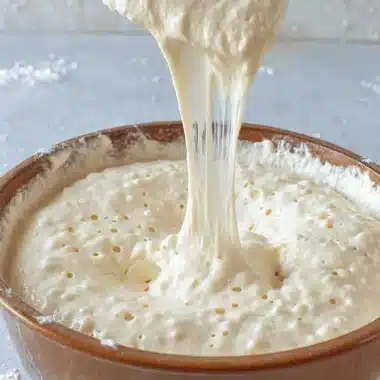

I remember the first time I tried making homemade sourdough puff pastry—it felt like pure magic turning simple ingredients into flaky, buttery layers with a subtle tang. This homemade sourdough puff recipe became my favorite project, rewarding me with rich flavor and a delicate texture that makes every bite feel special. If you’re ready to add some wow to your baking, you’re in for a treat.
Table of Contents
Why You’ll Love This Homemade Sourdough Puff Recipe
- Incredible buttery flavor combined with a slight sourdough tang that’s both unique and delightful.
- A surprisingly straightforward process that breaks down lamination into simple, manageable steps.
- Extremely versatile, perfect for both sweet treats like fruit turnovers and savory dishes like sausage rolls.
- Slow fermentation adds depth and complexity to the dough without requiring fancy ingredients or equipment.
The Magic Explained: How Sourdough and Lamination Create the “Puff”
The slow fermentation from the sourdough starter doesn’t just add flavor; it makes the dough soft and pliable, ready to stretch and fold around layers of cold butter. Lamination is the technique of folding butter into the dough multiple times to create hundreds of thin layers. When baked, the moisture in both the butter and dough turns to steam, causing those layers to puff up beautifully, creating the flaky texture we all love. It’s science and patience working together to deliver deliciousness.
Ingredients for Homemade Sourdough Puff
Using high-quality ingredients is key, especially cold, unsalted butter for the best flaky layers. Here’s what you’ll need:
- 3 cups all purpose flour (420 grams)
- 1/4 cup sugar (50 grams)
- 1/2 cup sourdough starter (bubbly and active) (113 grams)
- 3/4 cup whole milk (183 grams)
- 1 large egg
- 1/2 teaspoon vanilla
- 1 teaspoon salt (5 grams)
- 16 tablespoons cold unsalted butter (2 sticks or 227 grams)
- 1 tablespoon all purpose flour (9 grams)
- 1 large egg white (beaten lightly)
- 1 tablespoon cold water
Essential Kitchen Tools
- Stand mixer with dough hook attachment: Makes kneading a breeze, but you can hand-knead if you prefer.
- Rolling pin: Essential for rolling out the dough evenly.
- Bench scraper: Helps manage the dough and clean surfaces easily.
- Parchment paper: Perfect for shaping and chilling butter without mess.
- Large bowl: For fermenting and resting the dough comfortably.
Choosing the Right Butter (A Baker’s Secret)
Butter choice makes or breaks puff pastry. American-style butter typically has 80% fat, while European-style butter has a higher fat content (82% or more), making it creamier and more pliable when cold. This pliability is crucial during lamination to form even layers without the butter breaking or melting into the dough. Always keep your butter cold and avoid letting it soften, or it won’t puff as beautifully.
How to Make Homemade Sourdough Puff: Step-by-Step Instructions
Making the Dough (Détrempe)
- Add ingredients to bowl: To a bowl of a stand mixer with a dough hook attachment, add the dry ingredients, sourdough starter, milk, egg, and vanilla.
- Mix and knead: Mix on low speed (1 or 2) for about 5 or so minutes or until it becomes smooth and glossy. You can also knead this by hand. Mix and knead to make a shaggy, sticky dough then continue to knead for about 5-10 minutes until smooth and glossy.
- First fermentation: Shape into a ball and place in a greased large bowl. Cover with plastic wrap, foil, or a beeswax wrap and place at room temperature (a warm place) for about 4 hours.
- Cold ferment: Transfer the bowl to the refrigerator to continue fermenting for 8 hours, or up to 3 days.
Creating the Butter Block (Beurrage)
- Prepare butter: Place the sticks of butter on a large piece of parchment paper. Sprinkle it with a little flour. Mark a 6″ by 8″ rectangle onto the parchment paper.
- Make butter packet: Fold the parchment paper around the butter with the folds on that 6″ by 8″ rectangle you made, so that the butter will fill the entire envelope once you roll it out. It doesn’t need to be perfectly precise.
- Roll butter: With a rolling pin, tap out the butter lightly to start to spread the butter, then roll smooth.
- Chill butter: Chill the butter in the refrigerator for 10 minutes to keep it cold for lamination.
Laminating the Dough
- Roll dough: Remove the pastry dough from the refrigerator and place on a lightly floured surface. Roll it out into a 16″ by 8″ inch rectangle.
- Encase butter: Place the butter rectangle in the middle of the dough. Fold the edges over, so they meet in the middle and completely encase the butter. Pinch the dough together down the middle seam and sides closed, so none of the butter can escape.
- Roll and fold: On a lightly floured work surface, roll the dough, with the butter sealed inside, into a 16″ by 8″ inch rectangle.
- First fold: Fold each side into the center; then fold one side over the other to make a rectangle with four layers of folded dough.
- Chill dough: Wrap the dough in plastic wrap and place in the refrigerator for 30 minutes.
- Second roll and fold: Roll the dough out again into a 16″ by 8″ inch rectangle. Fold each side into the center; then fold one side over the other to make a rectangle with 4 layers of dough.
- Final chill: Wrap the dough in plastic wrap and put it back in the refrigerator for 2 hours or up to 12 hours.
- Ready to use: Use in any recipe calling for puff pastry.
A Visual Guide to Lamination Folds
The “book fold” is the key folding technique here. Imagine folding each side of the dough rectangle into the center, then folding the whole thing in half like closing a book. This creates four layers with each fold, multiplying the layers of butter and dough. Be sure to check any process photos you have or follow along step-by-step to feel confident—this visual guide makes the technique foolproof and even fun.
Creative Ways to Use Your Sourdough Puff Pastry
- Fruit turnovers: Fill with your favorite jam or fresh fruit mixture for a sweet, flaky treat.
- Palmiers: Sprinkle sugar, fold, and slice for elegant, crispy cookies.
- Danishes: Combine with cream cheese and fruit for a cozy breakfast pastry.
- Sausage rolls: Wrap sausage meat for a savory, crowd-pleasing snack.
- Chicken pot pie topping: Use as a golden, flaky crust to elevate classic comfort food.
Storing and Freezing Your Homemade Puff Pastry
Storing Unbaked Dough: Wrap the laminated dough tightly in plastic wrap and refrigerate for up to 3 days. For longer storage, wrap well and freeze for up to 1 month. Thaw overnight in the fridge before using.
Storing Baked Pastries: Keep baked goods in an airtight container at room temperature for up to 2 days. For longer life, freeze and reheat gently to restore crispness.
Ingredient Substitutions and Variations
| Ingredient | Substitution | Notes / Expected Outcome |
|---|---|---|
| Whole Milk | Unsweetened Almond or Oat Milk | Works well. May result in a slightly less rich dough, but the texture will be similar. |
| Unsalted Butter | High-quality Vegan Butter Block | Look for one with a high fat content (at least 80%) designed for baking. Avoid margarine. The flavor will differ but remain delicious. |
Frequently Asked Questions (Troubleshooting Your Homemade Sourdough Puff)
Why did my butter leak out during lamination?
Butter leaks usually happen if it gets too warm during rolling or wasn’t fully encased in the dough. Keep your butter cold and make sure to pinch seams tightly.
How do I know if my sourdough starter is ready?
Your starter should be bubbly and have a pleasant tangy aroma. It rises and doubles in size a few hours after feeding, showing it’s active and bubbly starter.
Can I make this recipe by hand without a stand mixer?
Absolutely! Mix and knead by hand until you have a smooth, glossy dough. It just might take a bit longer but works fine.
What if my dough is too sticky or dry?
If it’s sticky, add a bit more flour gradually during kneading. If too dry, add a splash more milk. The dough should feel soft but manageable.
What’s the best room temperature for laminating?
Aim for a cool room around 65-70°F (18-21°C). Warm environments can soften the butter too much, making lamination tricky.
Conclusion
Congratulations on taking on this rewarding homemade sourdough puff pastry project! It feels amazing to create something so impressive from scratch, and I hope this guide makes the process enjoyable and stress-free. I’d love to hear how your pastry turns out, so please leave a comment with your questions or successes.

Homemade Sourdough Puff
Ingredients
Equipment
Method
- Combine dry ingredients, sourdough starter, milk, egg, and vanilla in a stand mixer with a dough hook.
- Mix on low speed for 5 minutes until the dough is smooth and glossy; alternatively, knead by hand for 5-10 minutes.
- Shape the dough into a ball, place in a greased bowl, cover, and let ferment at room temperature for 4 hours.
- Transfer the bowl to the refrigerator to continue fermenting for 8 hours or up to 3 days.
- Place cold butter on parchment paper, sprinkle with flour, and mark a 6″ by 8″ rectangle.
- Fold the parchment around the butter to form an envelope along the marked rectangle.
- Tap and roll the butter smoothly within the parchment to fill the 6″ by 8″ envelope.
- Chill the butter block in the refrigerator for 10 minutes to ensure it remains cold for lamination.
- Remove the dough from the refrigerator and roll it out on a lightly floured surface into a 16″ by 8″ rectangle.
- Place the chilled butter block in the middle of the dough, then fold the dough edges over to completely encase the butter.
- Pinch the middle seam and sides closed firmly to prevent any butter from escaping.
- Roll the butter-encased dough on a lightly floured surface into a 16″ by 8″ rectangle.
- Fold each side of the dough into the center, then fold one side over the other to create four layers of dough.
- Wrap the dough in plastic wrap and chill it in the refrigerator for 30 minutes.
- Remove the dough from the refrigerator and roll it out again into a 16″ by 8″ rectangle.
- Fold each side into the center, then fold one side over the other to create another four layers of dough.
- Wrap the dough in plastic wrap and return it to the refrigerator for 2 to 12 hours.
- The homemade sourdough puff pastry is now ready to be used in any recipe calling for puff pastry.