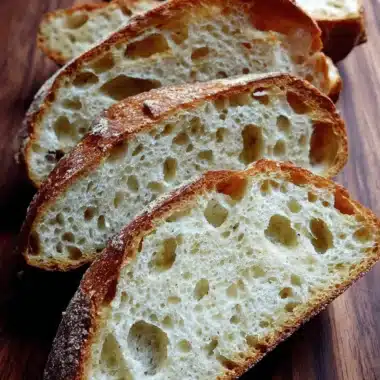

Pulling a warm, golden Parmesan sourdough loaf from the oven instantly lifts my spirits after a busy day. I remember the early days when baking bread felt intimidating, but this recipe changed everything for me. It’s simple, dependable, and full of that irresistible cheesy aroma that fills the kitchen with comfort and joy. Let me show you how to make perfect Parmesan sourdough bread right at home.
Table of Contents
Why This Parmesan Sourdough Recipe Works
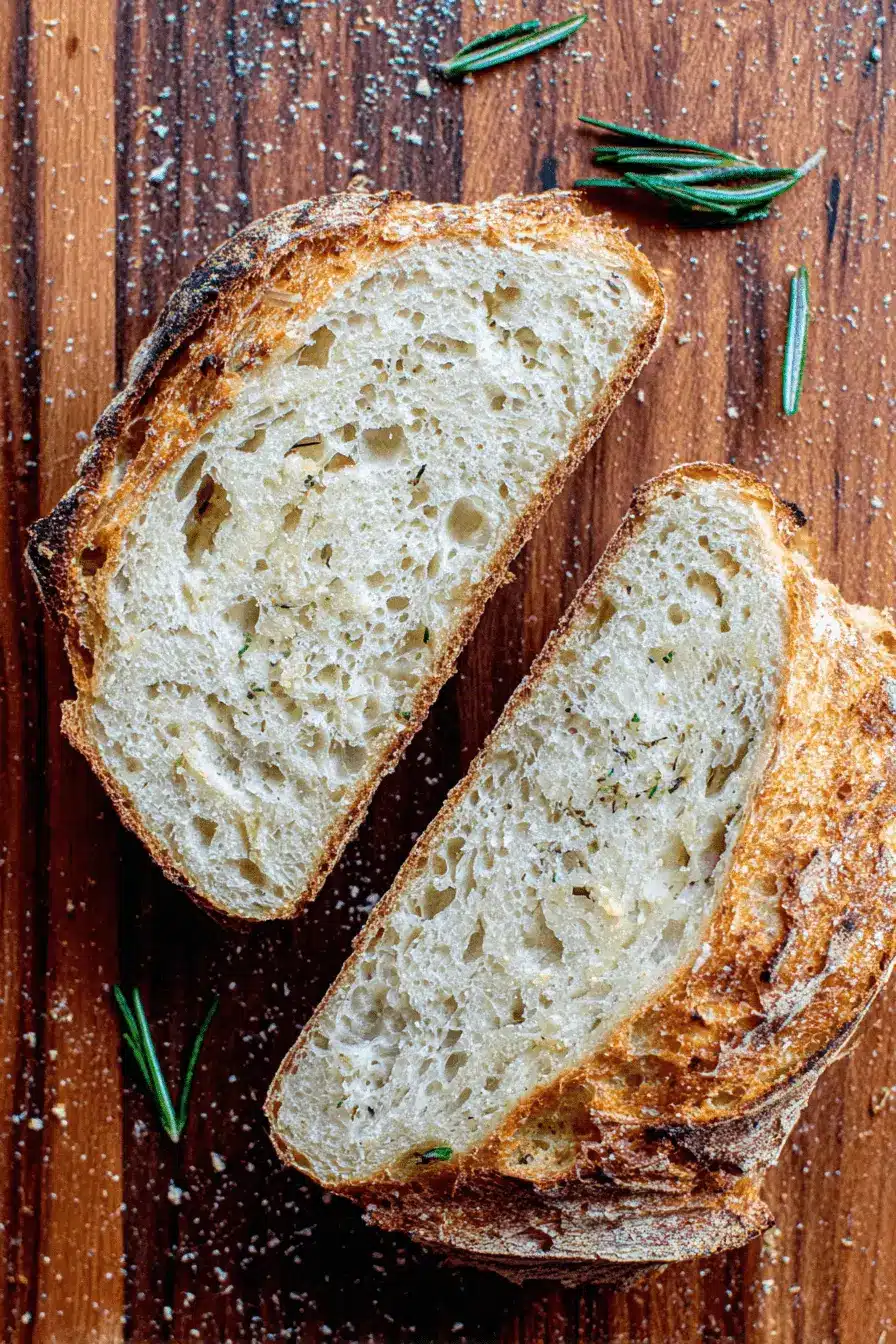
This Parmesan sourdough bread recipe delivers a crusty exterior with a tender, flavorful crumb every time. With fresh rosemary and savory parmesan folded into the dough, it transforms basic sourdough into a meal centerpiece. Whether you’re an experienced baker or a beginner, the steps are broken down to keep the process stress-free and rewarding. Expect a hearty loaf that’s perfect for sandwiches, cheese boards, or simply enjoying with butter.
- Foolproof for beginners: The detailed stretch-and-fold technique and clear stage guidance make this recipe approachable, even if you’ve never baked sourdough before.
- Incredible flavor: Fresh rosemary and high-quality parmesan cheese create a depth of flavor that turns everyday bread into something special.
- Flexible schedule: With options for a quick bake or overnight cold ferment, you control the timing without sacrificing taste or texture.
- Perfect crust every time: Using a Dutch oven or smart alternatives, this recipe guides you to achieve that beautifully blistered, crisp crust you crave.
Essential Ingredients and Their Roles
Every ingredient plays a crucial role in this Parmesan sourdough bread. Bread flour builds structure and chewiness, water hydrates the dough, and your active sourdough starter provides natural leavening and tang. Salt enhances all the flavors, while rosemary adds an aromatic herbal note. The star is parmesan cheese, which infuses the bread with rich, savory goodness.
The Secret to the Best Flavor: Picking Your Parmesan
Selecting the right parmesan makes a big difference. Parmigiano Reggiano is aged longer, offering a complex, nutty flavor and excellent melting quality. Grana Padano is milder but still flavorful, a great budget-friendly option. Avoid standard pre-shredded parmesan, which often contains anti-caking agents that hinder melting and can affect texture.
For best results, use shaved or coarsely shredded parmesan. This ensures even distribution throughout the dough, providing bursts of cheesy flavor in every bite without overwhelming the texture.
Required Baking Equipment
- Dutch Oven: Retains heat and traps steam for a perfect crust and oven spring.
- Digital Scale: Accuracy is key for measuring ingredients and water ratios.
- Banneton: Helps shape the dough and forms beautiful patterns on the crust.
- Bench Scraper: Makes mixing, stretching, and folding dough easier and cleaner.
No Dutch Oven? No Problem!
You can still achieve a superb crust using a baking stone or heavy baking sheet:
- Preheat the oven to 230°C (450°F) with your baking stone or sheet inside for at least 45 minutes.
- Place a metal container or small pan on the oven floor to create steam by adding hot water when the bread goes in.
- Transfer the scored dough onto a piece of parchment paper and slide it onto the hot stone.
- Add water to the steam pan quickly and close the oven door immediately.
- Bake covered loosely with an oven-safe bowl or large roasting pan for the first 30 minutes, then remove the cover to finish baking.
This method mimics a Dutch oven’s steam environment, helping form a crackly crust.
Sourdough Baking Stages: A Step-by-Step Guide
Baking this Parmesan sourdough bread is simpler than it seems when broken into clear stages. From autolyse to shaping, stretch and folds, and the all-important cold ferment, I’ll walk you through each step with photos and video to guide your way. Ready your ingredients and equipment, let’s get started!
Parmesan Sourdough Recipe Ingredients
- 500 g Bread Flour
- 350 g Water
- 50 g Sourdough Starter (Fed and Bubbly)
- 150 g Parmesan Cheese (Shaved or Shredded)
- 10 g Salt (increase or decrease according to your taste)
- 1 sprig Rosemary (fresh leaves)
1. Autolyse – Premixing The Dough
Weigh out your sourdough starter and water into a large ceramic or glass bowl. Mix the water and starter briefly. Add flour and salt, then mix everything into a shaggy dough using a dough scraper. Cover with cling film or a damp tea towel and let it sit for around 1 hour. The dough will hydrate and change texture during this autolyse phase.
2. Forming Up The Dough
After autolyse, bring the dough together into a smooth ball by stretching it up and over itself about 20-25 times. The dough will feel sticky but becomes shiny and smooth as you form the ball. Cover and rest for 30 minutes.
3. Stretch & Fold + Adding Parmesan & Rosemary
Over the next few hours, do 4-6 stretch and fold sets, stretching the dough up and over itself 4 times per set, resting 15 minutes between sets. Add the parmesan and rosemary around the second set to incorporate them evenly.
4. Bulk Ferment
Cover your dough again and let it rest to ferment fully. Refer to the notes section for specific fermentation signs and timing.
5. Shaping The Dough
Shape the fermented dough into a boule, batard, or couronne. Handle gently to preserve the bubbles and structure.
6. Placing Into A Banneton
Place the dough seam-side up into your banneton (or smooth side up if using a cloth-lined bowl). Dust with rice flour as needed to prevent sticking and cover loosely.
7. Cold Ferment
Cover the dough and place in the fridge for at least 5 hours up to 36 hours. The longer the cold ferment, the better the flavor and crust texture.
8. Preparing To Bake
Preheat your oven to 230°C (450°F) with a Dutch oven inside for about an hour. Keep the dough cold until the moment you bake.
9. Bake Time!
Remove dough from fridge and place on parchment paper. Score the top deeply with a lame or knife. Transfer dough into the hot Dutch oven using the parchment as a sling. Cover and bake for 30 minutes at 230°C, then remove the lid and bake for another 10-15 minutes at 210°C (410°F) to crisp the crust.
10. Finishing The Bake
Carefully remove the bread from the Dutch oven and cool on a wire rack before slicing.
Sourdough Baking Schedule Options
| Weekend Bake (Long Cold Ferment) | Quicker Bake (Under a Day) |
|---|---|
| Day 1: Mix dough late morning, autolyse, stretch & folds throughout afternoon | Morning: Mix dough, autolyse, stretch & folds |
| Overnight: Bulk ferment in fridge | Bulk ferment at room temp (2-3 hours) |
| Day 2 morning: Shape, place in banneton, cold proof till afternoon | Shape dough, final proof (1 hour) |
| Afternoon: Preheat oven, bake as directed | Bake after final proof |
This allows you to choose the timeline that best fits your schedule without losing flavor or quality, whether you prefer a quicker bake or an amazing overnight sourdough bread option.
Suggested Flavor Add-Ins
| Add-in | Suggested Amount | When to Add |
|---|---|---|
| Rosemary (fresh) | 1 sprig, leaves stripped | During second stretch & fold |
| Roasted garlic | 1-2 cloves, minced | During second stretch & fold |
| Black pepper | 1 tsp freshly cracked | During final mixing |
| Sun-dried tomatoes | 50 g chopped | During second stretch & fold |
| Olives | 60 g pitted and chopped | During second stretch & fold |
Feel free to play with these additions to create your ideal flavor profile, or explore other delicious sourdough bread creations like apple cinnamon.
Storing Your Sourdough Loaf
Store your Parmesan sourdough bread at room temperature in a paper bag or bread box. Avoid plastic bags as they trap moisture and soften your crust. For longer storage, slice the bread and freeze it in airtight bags. Thaw slices at room temperature or toast them straight from the freezer.
Creative Serving Suggestions
- Make gourmet grilled cheese sandwiches with extra parmesan and herbs, or serve them alongside irresistibly soft pull-apart sourdough dinner rolls.
- Cube leftover bread for homemade croutons to top salads or soups.
- Serve alongside creamy tomato basil soup or a fresh arugula salad for a comforting meal.
Frequently Asked Questions (FAQ)
What if my sourdough starter isn’t very active?
Make sure your starter is fed regularly and bubbly before starting. If it isn’t, give it a few more feedings at room temperature to boost activity before using.
How do I know when bulk fermentation is truly finished? What are the visual signs?
Look for the dough to roughly double in size and appear puffy with bubbles forming underneath. It should feel soft but not overly sticky.
Can I make this recipe without a Dutch oven?
Yes! Use a preheated baking stone or heavy baking sheet with a steam pan to mimic the Dutch oven environment and achieve a crispy crust, as detailed above.
Why is my dough so sticky and hard to shape?
Wet dough is common with hydrated sourdoughs. Use gentle stretch-and-folds and plenty of dusting flour during shaping to manage stickiness.
How can I get a more open, airy crumb?
Ensure your starter is active, and do gentle, consistent stretch and folds to build gluten without deflating the dough. Longer fermentation also helps.
What’s the best way to revive day-old parmesan sourdough bread?
Refresh by warming slices in a hot oven (175°C/350°F) for 5-7 minutes. This crisps the crust and revives the aroma.
Happy Baking and Conclusion
Baking this Parmesan sourdough bread brings me so much joy, it’s the perfect blend of comfort and accomplishment. I know you’ll love how approachable and rewarding this loaf is. Don’t forget to leave a comment with your questions or experiences.
Parmesan Sourdough Bread
Ingredients
Equipment
Method
- Weigh your sourdough starter and water into a large bowl, then mix briefly before adding flour and salt to form a shaggy dough.
- Cover the bowl and let the dough sit for about 1 hour to allow the flour to fully hydrate in a process called autolyse.
- After autolyse, bring the dough together into a smooth ball by stretching and folding it over itself 20-25 times.
- Once a smooth ball is formed, re-cover the dough and let it rest for 30 minutes.
- Perform 4-6 sets of stretch and folds over the next few hours, stretching the dough 4 times per set with 15 minutes in between.
- Incorporate the Parmesan and fresh rosemary around the second set of stretch and folds.
- Once stretch and folds are complete, cover the dough again and allow it to bulk ferment and develop.
- After the first fermentation, gently shape the dough into your desired form, such as a boule or batard.
- Carefully place the shaped dough into a banneton with the smooth side down, adding a little rice flour if needed, and handling gently to preserve air bubbles.
- Cover the dough loosely and place it in the fridge for a cold ferment of at least 5 hours, up to 36 hours, for enhanced flavor and crust.
- Preheat your oven to 230C/450F with a Dutch Oven inside for about 1 hour to ensure it is super hot; keep the dough in the fridge until ready to bake.
- Gently transfer the cold dough onto baking paper, score it deeply with a lame, and carefully lower it into the preheated Dutch Oven.
- Bake with the lid on for 30 minutes at 230C/450F, then remove the lid and bake for another 10-15 minutes at 210C/410F.
- Upon removal from the oven, immediately take the bread out of the Dutch Oven and place it on a wire rack to cool completely.