
When I moved to the U.S., I missed the warmth of home cooking but felt intimidated by complex dishes. I wanted comfort without the stress. That’s why I fell in love with this hearty Irish stew. It’s the perfect one-pot meal for busy nights—simple, rich, and utterly soothing. Let’s make this cozy classic together!
What is Irish Stew? Traditional vs. Modern
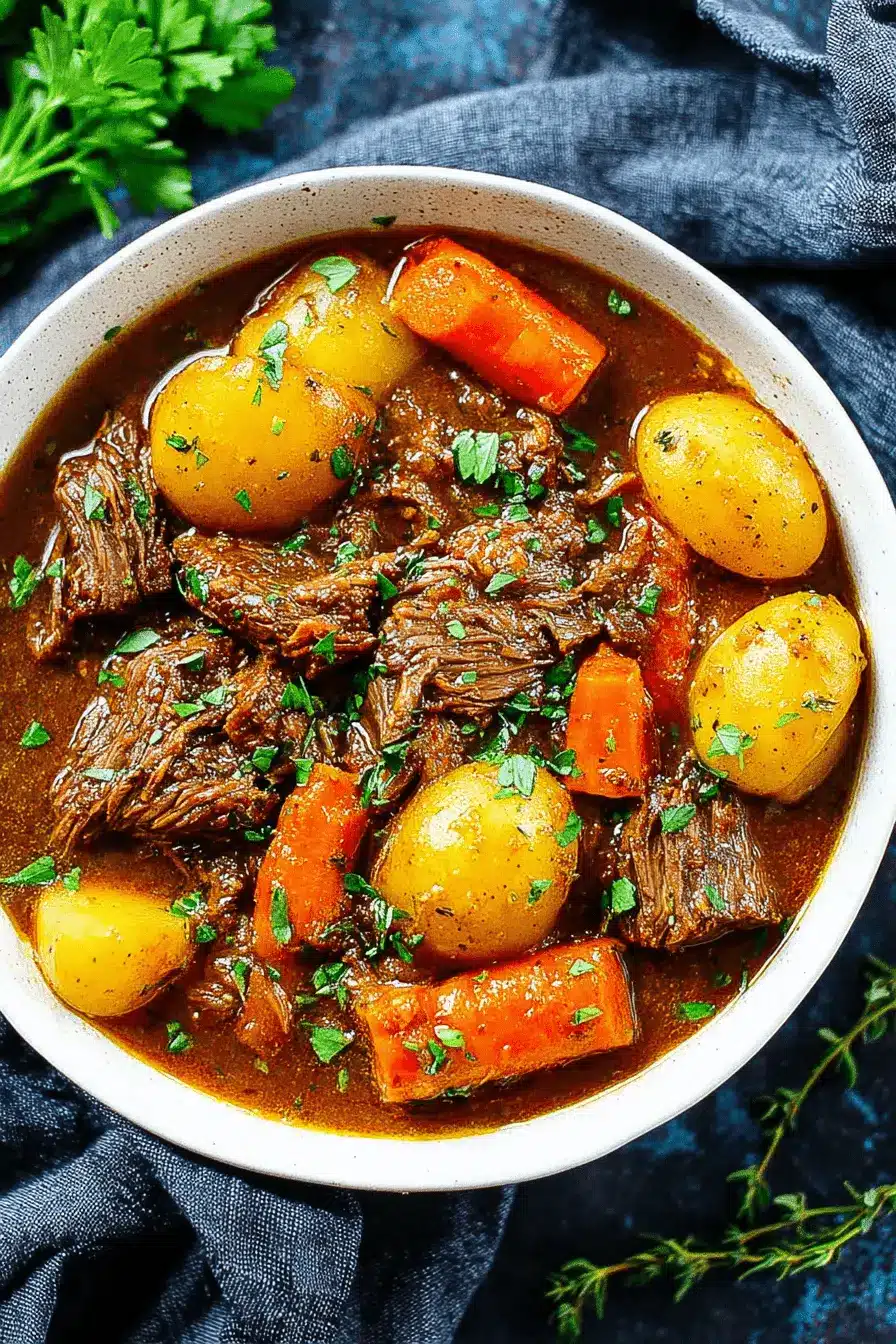
Irish stew is the definition of comfort food. Historically, it was a peasant dish essentially made from whatever was available—typically mutton, onions, and potatoes simmered in water. It was a means of survival that turned into a culinary staple because of how warming and filling it was.
Today, we often adapt the recipe to fit our modern kitchens and palates. While traditional versions rely heavily on lamb and root vegetables boiled together, my version uses beef. Beef chuck is often more accessible and affordable for a weeknight dinner, and it provides a deep, savory richness that is hard to beat. This recipe balances that old-world charm with practical ingredients, proving that you don’t need to be a history buff to make a dinner that feels like a hug in a bowl.
Ingredients for Our Hearty Irish Stew
Here is everything you need to get started. Just gather these ingredients, and you are halfway to a delicious dinner.
- 2 tbsp olive oil
- 2.5 lb / 1.25 kg beef chuck, boneless short rib or any other slow cooking beef (no bone)
- 3/4 tsp each salt and black pepper
- 3 garlic cloves, minced
- 2 onions, chopped (brown, white or yellow)
- 6 oz / 180g smoked beef bacon, diced
- 3 tbsp flour (all purpose/plain, Note 3 for GF)
- 440ml / 14.9 oz beef broth
- 1 tbsp apple cider vinegar
- 4 tbsp tomato paste
- 3 cups (750 ml) chicken stock/broth (or beef broth – Note 4)
- 3 carrots, peeled and cut into 1.25 cm / 1/2″ thick pieces
- 2 large celery stalks, cut into 2cm / 1″ pieces
- 2 bay leaves
- 3 sprigs thyme (or sub with 1 tsp dried thyme leaves)
Step-by-Step Instructions: Making Your Best Irish Stew
Cooking this stew is easier than you think. Follow these steps, and don’t rush the browning process—it’s where the flavor lives!
- Prepare the meat. Cut the beef into 5cm/2″ chunks. Pat dry then sprinkle with salt and pepper.
- Sear the beef. Heat oil in a heavy based pot over high heat. Add beef in batches and brown well all over. Remove onto plate. Repeat with remaining beef.
- Adjust the heat. Lower heat to medium. If the pot is looking dry, add oil.
- Sauté the aromatics. Cook garlic and onion for 3 minutes until softening, then add smoked beef bacon.
- Add vegetables. Cook until smoked beef bacon is browned, then stir through carrot and celery.
- Thicken carefully. Add flour, and stir for 1 minute to cook off the flour.
- Build the broth. Add beef broth, 1 tbsp apple cider vinegar, chicken broth/stock and tomato paste. Mix well (to ensure flour dissolves well), add bay leaves and thyme.
- Combine everything. Return beef into the pot (including any juices). Liquid level should just cover – see video or photos.
- Simmer slowly. Cover, lower heat so it is bubbling gently. Cook for 2 hours – the beef should be pretty tender by now. Remove lid then simmer for a further 30 – 45 minutes or until the beef falls apart at a touch, the sauce has reduced and thickened slightly.
- Final touches. Skim off fat on surface, if desired. Adjust salt and pepper to taste. Remove bay leaves and thyme.
- Serve and enjoy. Serve with creamy mashed potatoes!!
The Art of Browning: Building Flavor Depth for Irish Stew
I used to rush this step because I was hungry, but trust me, patience here pays off. Browning the beef isn’t just about changing the color; it’s about the Maillard reaction. This chemical reaction creates that distinct, savory flavor we associate with a great steak.
To get it right, make sure your beef acts dry before it hits the pan. Moisture creates steam, and steam prevents browning. Also, do not crowd the pan. If the beef pieces are touching, they will boil in their own juices rather than sear. Cook in batches if you have to. When you see those brown bits stuck to the bottom of the pot (the fond), don’t panic! That is pure flavor gold that will dissolve into your broth later.
Choosing Your Meat: Lamb vs. Beef for Irish Stew
While I love using beef chuck for this specific recipe, traditionalists will tell you that Irish stew requires lamb (or mutton). Both are delicious, but they offer different experiences. Here is a quick breakdown to help you decide what is best for your table.
| Feature | Beef Chuck (Our Recipe) | Lamb Shoulder/Neck (Traditional) |
|---|---|---|
| Flavor Profile | Deep, savory, and robust. Familiar to most palates. | Earthy, slightly gamey, and sweeter fat. |
| Texture | Breaks down into tender, shreddable chunks. | Very tender but can be fattier/richer. |
| Availability | Extremely common in US grocery stores. | Can be harder to find or more expensive. |
| Cooking Time | Needs 2+ hours to become tender. | Similar cook time, sometimes slightly faster. |
Thickening Your Irish Stew: Achieving the Perfect Consistency
A watery stew can be disappointing. In this recipe, we use flour added directly to the vegetables and bacon fat. This creates a roux right in the pot, ensuring the stew thickens naturally as it simmers. It gives the sauce a glossy, velvety texture.
However, there are other ways to thicken it if you prefer:
- Cornstarch Slurry: If you are gluten-free, skip the flour in step 6. At the end of cooking, mix 1 tablespoon of cornstarch with 1 tablespoon of cold water and stir it into the simmering stew.
- Potato method: Traditionally, the starch from potatoes (if cooked in the stew) thickens the broth. Since we are serving this over mash, you can also grate one raw potato directly into the pot halfway through cooking. It will melt away and thicken the sauce naturally.
Adding Depth of Flavor: The Magic of Stout (like Guinness) in Irish Stew
You might notice this recipe doesn’t call for stout, but it is a very popular addition to modern Irish stews. A dry Irish stout, like Guinness, adds a complex, malty bitterness that cuts through the richness of the meat.
If you want to try this variation, simply substitute 1 cup of the beef broth with 1 cup of Guinness. The alcohol cooks off, leaving behind deep, roasted notes that taste incredible with the smoked beef bacon. It makes the dish feel even more festive, especially around St. Patrick’s Day!
Essential Equipment for Making Irish Stew
Having the right tools makes cooking feel like a smooth process rather than a chore. Here is what I recommend for this recipe:
- Heavy-Based Pot or Dutch Oven: This is non-negotiable for me. A heavy pot retains heat beautifully, allowing for an even sear on the meat and a consistent gentle simmer without burning the bottom.
- A Sharp Chef’s Knife: You will be cutting beef, sturdy carrots, and celery. A sharp knife ensures this is safe and effortless.
- Sturdy Cutting Board: Since you are dealing with raw meat and veggies, a solid board that doesn’t slip is key.
- Wooden Spoon: Perfect for scraping up those delicious browned bits from the bottom of the pot after adding the liquid.
Expert Tips for a Foolproof Irish Stew
I have had my share of kitchen fails, so let me help you avoid them. Here are a few tips to ensure your stew is a “victory” every time.
- Don’t Rush the Simmer: The magic happens at a low, gentle bubble. Boiling the meat vigorously will tempt the proteins to tighten up, making the beef tough rather than tender.
- Taste as You Go: The flavor changes as it cooks. Taste the broth after an hour. Does it need more salt? A crack of pepper? You are the boss of your kitchen.
- Vegetable Timing: By adding the carrots and celery after the bacon browns but before the liquid, we give them a head start on flavor without turning them into mush during the long cook.
Customizing Your Irish Stew: Variations and Substitutions
Cooking should fit your life and your pantry. Here is how you can tweak this recipe to suit different dietary needs or tastes.
| Modification | Suggestion |
|---|---|
| Gluten-Free | Swap the all-purpose flour for a GF flour blend or use cornstarch at the end to thicken. Check your beef broth ingredients too. |
| Different Veggies | Parsnips and turnips are wonderful, traditional additions. Add them at the same time as the carrots. |
| Herbs | Rosemary is a great substitute or addition to thyme. Fresh parsley stirred in at the end adds brightness. |
| Alcohol-Free | This recipe is already alcohol-free! If a recipe calls for wine or stout, simply use more high-quality beef broth. |
Multiple Cooking Methods for Your Irish Stew
I know 2.5 hours on the stove isn’t always possible when you are juggling work and family. Here are specific ways to adapt this recipe for other appliances.
Oven Method
This is great for even cooking without stirring.
Follow the recipe up to Step 8. Instead of simmering on the stovetop, cover the heavy oven-safe pot with a lid and place it in a preheated oven at 325°F (160°C). Cook for 2 to 2.5 hours, or until the beef is fork-tender.
Slow Cooker Method
Perfect for “set it and forget it.”
- Sear the beef and sauté the onions/bacon in a pan as per the recipe (don’t skip this flavor step!).
- Transfer everything to the slow cooker.
- Reduce the liquid: Use only 2 cups of stock total (instead of nearly 5 cups), as slow cookers trap moisture.
- Cook on LOW for 7-8 hours or HIGH for 3-4 hours.
- Thicken with a cornstarch slurry at the end if needed.
Instant Pot / Pressure Cooker
Fast and efficient.
- Use the “Sauté” function to brown the beef and veggies.
- Add liquids and deglaze well.
- Seal the lid. Cook on High Pressure for 35 minutes.
- Allow a Natural Release for at least 10-15 minutes (quick release can make meat tough).
- If the sauce is thin, use the Sauté function afterwards to boil it down or add cornstarch.
What to Serve with Irish Stew
This stew is rich, so you need sides that can stand up to it or soak up that beautiful gravy.
- Mashed Potatoes: This is my top pick. The creamy texture pairs perfectly with the tender beef.
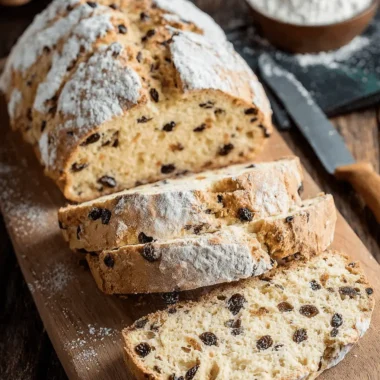
- Irish Soda Bread: Great for dipping and cleaning the bowl.
- Crusty Sourdough: A simple, crunchy option if you don’t want to bake.
- Green Salad: A simple vinaigrette salad cuts through the richness and adds freshness to the meal.
Storing, Freezing, & Reheating Irish Stew
One of the best things about this stew? It tastes even better the next day!
Storing: Let the stew cool completely before causing condensation in the container. Store in an airtight container in the fridge for 3 to 4 days.
Freezing: This freezes beautifully for up to 3 months. Use heavy-duty freezer bags or safe containers. Leave about an inch of space at the top of the container because liquids expand when frozen.
Reheating:
- From Fridge: Reheat gently on the stovetop over medium-low heat, adding a splash of water if it got too thick.
- From Frozen: Thaw in the fridge overnight for best results, then reheat on the stove. You can microwave it, but the stove keeps the texture better.
Troubleshooting Common Irish Stew Issues
If your stew isn’t perfect, don’t worry. Here is how to fix it fast.
- Stew is bland: It likely needs acid or salt. Try adding a squeeze of lemon juice, a dash more vinegar, or just a pinch more salt to wake up the flavors.
- Stew is watery: Simmer it with the lid off for another 15 minutes to let evaporation do its work, or use the cornstarch slurry mentioned earlier.
- Meat is tough: It hasn’t cooked long enough. Beef chuck needs time to break down connective tissue. Keep simmering gently; it will soften eventually.
- Vegetables are mushy: Next time, cut them larger or add them slightly later in the cooking process.
Frequently Asked Questions About Irish Stew
Can I use store-bought broth?
Absolutely. I use store-bought broth all the time. Just try to buy “low sodium” versions so you can control the salt level yourself.
Why is my meat dry?
This usually happens if you used a lean cut like roast beef or sirloin. You really need a cut with fat and connective tissue, like chuck or boneless short ribs, to keep it moist during a long cook.
Can I make this ahead of time?
Yes! In fact, I recommend it. The flavors meld and deepen overnight, making it a perfect meal prep option for a busy week.
Do I have to use smoked beef bacon?
The smoked beef bacon adds a lovely smoky depth, but you can omit it if you prefer. You might just want to add a pinch of smoked paprika to compensate for that smoky flavor profile.
Conclusion: Enjoying Your Perfect Irish Stew
I hope this recipe brings a little bit of warmth and ease to your kitchen, just as it has to mine. Remember, cooking doesn’t have to be perfect to be wonderful. It is about the feeling of sitting down to a hot meal that you made with your own hands.
Give this Irish Stew a try, and let me know how it goes! Did you stick to the stove or try the Instant Pot? I would love to hear about your “kitchen wins.” Leave a comment below or tag me on social media @AishaRecipes with your photos. Let’s confirm that confidence in the kitchen, one bowl at a time!
irish stew
Ingredients
Equipment
Method
- Cut beef into 2-inch chunks, pat dry, and season with salt and pepper.
- Heat oil in a pot over high heat, then brown the beef in batches and set aside.
- Reduce heat to medium and add more oil if needed.
- Sauté garlic and onion for 3 minutes, then add diced smoked beef bacon.
- Cook until bacon is browned, then stir in carrots and celery.
- Stir in flour and cook for 1 minute.
- Add beef broth, apple cider vinegar, chicken stock, and tomato paste, mixing well; then add bay leaves and thyme.
- Return the browned beef to the pot, ensuring it is just covered by the liquid.
- Cover and simmer gently for 2 hours until beef is tender; then uncover and simmer for another 30-45 minutes until the beef is very tender and the sauce has thickened.
- Skim fat if desired, adjust seasoning, and remove bay leaves and thyme before serving.
- Serve hot, ideally with creamy mashed potatoes.