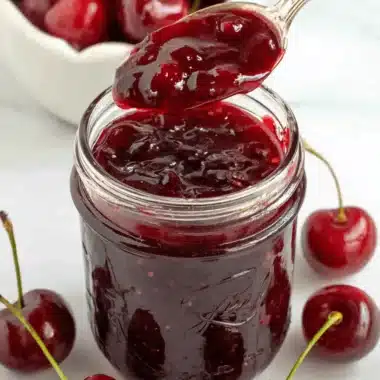

If you are balancing work, family, and an incredibly busy schedule, cooking can sometimes feel perfectly overwhelming. I remember moving to the U.S. in my thirties and feeling totally intimidated by new routines and grocery store layouts. Over time, I discovered that creating comforting food does not have to be difficult or stressful at all. Making homemade cherry preserves is one of those simple, joyful kitchen projects that brings beautiful warmth right to your table.
I am so excited to walk you through this process step by step. My comprehensive guide will help you create flavorful, rich fruit spreads without any anxiety. You will learn everything from basic fruit preparation to advanced canning techniques. Grab your apron, take a deep breath, and let me show you how rewarding this can be.
Why You’ll Love Making Your Own Cherry Preserves
I absolutely love this recipe because it delivers massive flavor for very little effort. Here is why I know you will adore making this specific batch of cherry preserves:
- It is incredibly foolproof: You do not need to be an expert cook to master this simple simmering method.
- It offers total flexibility: You can decide to use natural fruit pectin or add a commercial version depending on your schedule.
- It includes full canning steps: I have provided detailed instructions so you can confidently store your beautiful jars for months.
- It sparks your creativity: You easily can tweak the base recipe with fun flavor profiles to suit your personal tastes.
Ingredients for Simple Cherry Preserves
- 2 pounds (907 g) pitted sweet cherries, roughly chopped (it’s okay if a few are left whole)
- 1 cup (237 ml) water (optional)
- 6 ounces (3/4 cup or 170 g) granulated sugar
- 1 tablespoon (15 ml) lemon juice plus 1 teaspoon (5 ml) lemon zest (from about 1 lemon)
- Pinch of salt
Step-by-Step Instructions: Making Cherry Preserves
- Add all of the ingredients to a large, nonstick pot over medium heat.
- Once up to a gentle simmer, keep it there, reducing the heat as necessary.
- Cook the preserves, stirring regularly, until most of the liquid has evaporated and the volume has reduced by about half, about 45 minutes.
- Spoon into a mason jar or other container, let cool, and refrigerate up to 3 weeks.
Choosing Your Cherries: Sweet vs. Tart for Preserves
Picking the right fruit is the very first step in crafting your perfect spread. Sweet cherry varieties like Bing or Rainier are readily available and break down beautifully during the cooking process. Bing cherries will give your jars that classic, dark, and rich color. Rainier cherries create a uniquely sweet, vibrant, and golden-pink preserve.
Tart cherries, such as Montmorency pies cherries, offer a completely different experience. They have a bright, tangy flavor that practically dances on the palate. If you choose to use tart cherries, you might want to increase your sugar slightly to balance out the acidity. Alternatively, if you stick with very ripe sweet cherries, you can add an extra splash of lemon juice to ensure the flavors do not become muddy.
Pectin or No Pectin? Crafting Your Cherry Preserves
Pectin is a naturally occurring starch in fruit that helps jams and preserves achieve that lovely, gelled consistency. Cherries are naturally quite low in pectin. This means a no-pectin recipe relies entirely on evaporating the liquid and cooking the natural sugars down. The result is a slightly softer, more rustic spread that I personally find absolutely charming.
If you prefer a firmer set or simply want to speed up your cooking time, you can absolutely use commercial pectin. Powdered pectin should be whisked in before the mixture comes to a full boil. Liquid pectin is typically stirred in at the very end of the cooking process. Using a commercial thickener will drastically reduce your simmering time, leaving you with a brightly colored, cleanly set jelly-like preserve.
Essential Tools for Successful Cherry Preserves
You really do not need a lot of fancy equipment to make this recipe sing, but a few specific tools make the job so much easier. First, a wide, shallow, non-reactive pot is crucial. The wide surface area helps the liquids evaporate faster, while the non-reactive material prevents your fruit from taking on a metallic taste.
If you plan to store your batch long-term, you will want a few canning-specific tools. A canning funnel keeps your jar rims perfectly clean, ensuring a safe and proper seal. A headspace measuring tool helps you leave perfectly accurate space at the top of your jars. A sturdy jar lifter will keep your hands safe from boiling water, and a simple candy thermometer allows you to read your syrup temperature with absolute confidence.
Mastering Cherry Preparation for Your Preserves
Fruit preparation might sound tedious, but I actually find it to be a very meditative and relaxing kitchen task. If you do not own a specialized cherry pitter, there are plenty of easy household hacks you can try. You can push a sturdy wooden chopstick through the stem end of the fruit to pop the pit right out the bottom. A standard metal pastry tip also works wonderfully; just press the cherry firmly onto the tip until the pit slides free.
Once pitted, how you chop the fruit heavily influences the final texture. I like to roughly chop most of the fruit while leaving a few pieces whole for beautifully rustic chunks. Halving them provides a uniform feel, while a fine dice will give you a spreading consistency closer to jam. As you work through the bowl, allow those visual cues to guide your final choice.
How to Know When Your Cherry Preserves are Perfectly Set
Understanding when to pull your pot off the stove is easier than you might think. My absolute favorite technique is the “frozen plate test.” Place a small ceramic plate in your freezer before you start cooking. When you think the mixture is ready, spoon a tiny dollop onto the frozen plate and let it sit for exactly one minute.
Gently push the dollop with your finger. If it wrinkles at the surface and leaves a clean trail, your preserve is beautifully set. If it runs together like syrup, keep simmering for a few more minutes. For those who love precision, simply use a candy thermometer. You are looking for an ideal gel point of 220°F (104°C). You will also notice the boiling visual cue change from rapid, watery bubbles to thick, slow, heavy bubbles.
Storing Your Delicious Homemade Cherry Preserves
Proper storage ensures you get to enjoy your hard work as safely and delightfully as possible. For short-term enjoyment, simply spoon your cooled preserve into a clean mason jar or an airtight container. The instructions note that this beautiful jar will stay fresh and safe in your refrigerator for up to 3 weeks.
If you want to stretch out that timeline without the effort of canning, the freezer is your best friend. Make sure to leave an inch of empty space at the top of your freezer-safe jar to account for liquid expansion. Your frozen preserves will easily keep their wonderful flavor and texture for up to six months. Just thaw a jar in your fridge overnight whenever you need a sweet treat.
Water Bath Canning: Long-Term Storage for Cherry Preserves
Water bath canning is a fantastic skill I rely on to line my pantry shelves with summer flavors all year long. You will need a large water bath canner, a canning rack to keep jars off the bottom heat, fresh lids, and your clean mason jars. Start by washing your jars, lids, and bands in hot, soapy water, then simmer the empty jars in your canner to sterilize them completely.
Carefully ladle your hot cherry mixture into the hot jars, making sure to leave 1/4 inch of headspace at the top. Run a clean plastic tool around the inside edge to remove any trapped air bubbles that could spoil the batch. Wipe the jar rims with a damp paper towel before applying the two-piece lids, tightening the bands only until finger-tight. Finally, submerse the sealed jars in boiling water, ensuring they are covered by an inch of water, and process them at a rolling boil for 15 minutes before carefully lifting them out to cool undisturbed.
Creative Flavor Variations for Your Cherry Preserves
I always encourage a little playful experimentation in the kitchen once you are comfortable with a core recipe. Small additions right at the end of cooking can elevate familiar flavors into something truly spectacular. Here is a handy guide for adding fun twists to your jars.
| Addition | Amount | When to Add | Flavor Profile |
|---|---|---|---|
| Almond Extract | 1/4 – 1/2 tsp | Last 5 minutes of cooking | Nutty, complements cherry |
| Vanilla Bean Paste | 1/2 tsp | Last 5 minutes of cooking | Warm, aromatic |
| Fresh Thyme Sprigs | 2-3 sprigs | During simmering, remove before jarring | Earthy, herbaceous |
| Kirsch (Cherry Brandy) | 1-2 tbsp | After cooking, just before jarring | Deepens cherry flavor |
| Orange Zest | 1 tsp | With lemon zest | Bright, citrusy |
Troubleshooting Common Issues with Cherry Preserves
Even experienced cooks occasional encounter tiny hiccups in the kitchen, and I am here to help you solve them quickly! If your preserve is not setting and looks far too thin, you likely did not evaporate enough liquid or reach the 220°F (104°C) gel point. You can simply pour it back into your pot and gently simmer it for another five to ten minutes.
If your batch turns out too thick or wonderfully hard like candy, you probably overcooked it. To fix this, you can patiently melt it back down with a tiny splash of water or fruit juice until it loosens up. Scorching at the bottom of the pot happens when the heat is too high, so always remember to stir regularly and lower your heat as the mixture thickens. If you see sugar crystals forming or excessive foam rising to the top, whisking in the lemon juice and gently skimming the surface with a metal spoon will instantly smooth things out.
Beyond the Jar: Unique Ways to Enjoy Cherry Preserves
While a thick slice of toasted sourdough is always a wonderful choice, I love finding creative uses for this gorgeous red preserve. It works brilliantly as a sweet-and-savory glaze for roasted pork tenderloin or baked chicken breasts. A tiny spoonful muddled into a cocktail glass adds incredible depth and color to your evening drinks.
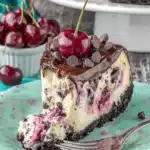
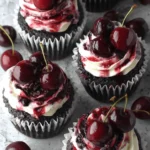
You can also use this spread to create stunning desserts without any extra stress. It is an amazing ready-to-go filling for miniature tarts, puff pastries, or foolproof chocolate cherry cheesecake. Layer it into morning parfaits with crunchy granola, or simply swirl a generous spoonful into plain Greek yogurt to make your mornings feel a little more luxurious.
A Note on Cherry Pits and Preserves (Safety First)
Sometimes you will see vintage or European recipes suggesting that you cook your fruit with a few pits left inside to extract a subtle almond-like flavor. While I love culinary traditions, your safety in the kitchen is always my absolute top priority. Cherry pits contain a compound called amygdalin.
When chewed, crushed, or digested, amygdalin can safely and naturally convert into cyanide within the body. Cooking the pits does neutralize some risk, but it is not a technique I recommend for everyday home cooks. I strongly advise you to discard all your pits entirely during the preparation stage. You can always use a splash of almond extract to get that exact same cozy almond flavor profile completely risk-free!
Frequently Asked Questions About Cherry Preserves
- Can I use frozen cherries for preserves? You absolutely can! Just thaw them slightly first, and note that you might need to simmer the pot a little bit longer since frozen fruit releases extra liquid.
- What type of pot is best for making preserves? A wide, shallow, non-reactive pot is best. Stainless steel or enameled cast iron works perfectly because they will not react with the acidic fruit.
- Can I reduce the sugar content, and what’s the impact? You can, but dropping the sugar significantly will result in a thinner consistency that spoils faster. Sugar acts as both a thickener and a vital preservative.
- What if I don’t have fresh lemon juice? Can I use bottled or another citrus? Bottled lemon juice works perfectly and actually provides a highly consistent acidity level, which is great for canning.
- How do I effectively skim foam from the preserves? Simply drag a flat metal spoon across the surface as the mixture simmers, or stir in a half-teaspoon of butter to instantly dissolve the sea of foam.
- How long do homemade preserves last in the refrigerator or freezer? Following the provided recipe instructions, your un-canned jar will stay fresh in the refrigerator for up to 3 weeks, playfully stretching to 6 months if kept safely in the freezer.
Conclusion: Your Journey to Perfect Homemade Cherry Preserves
I truly believe that making magic in your kitchen should always feel simple, encouraging, and highly rewarding. Taking a beautiful pile of fresh fruit and turning it into dark, rich preserves is one of the most satisfying things you can do for yourself and your loved ones. You now have all the tools, tips, and confidence you need to create jars of absolute deliciousness.
I would absolutely love to hear how your cooking journey turned out! Please leave me a comment below with your experiences, or ask any lingering questions you might still have. If you tried a fun flavor variation like a splash of kirsch or some vanilla bean, tell me all about it. Take a picture of your gorgeous jars and share them on social media using the hashtag #AishaRecipes so I can celebrate your beautiful weekday wins with you!
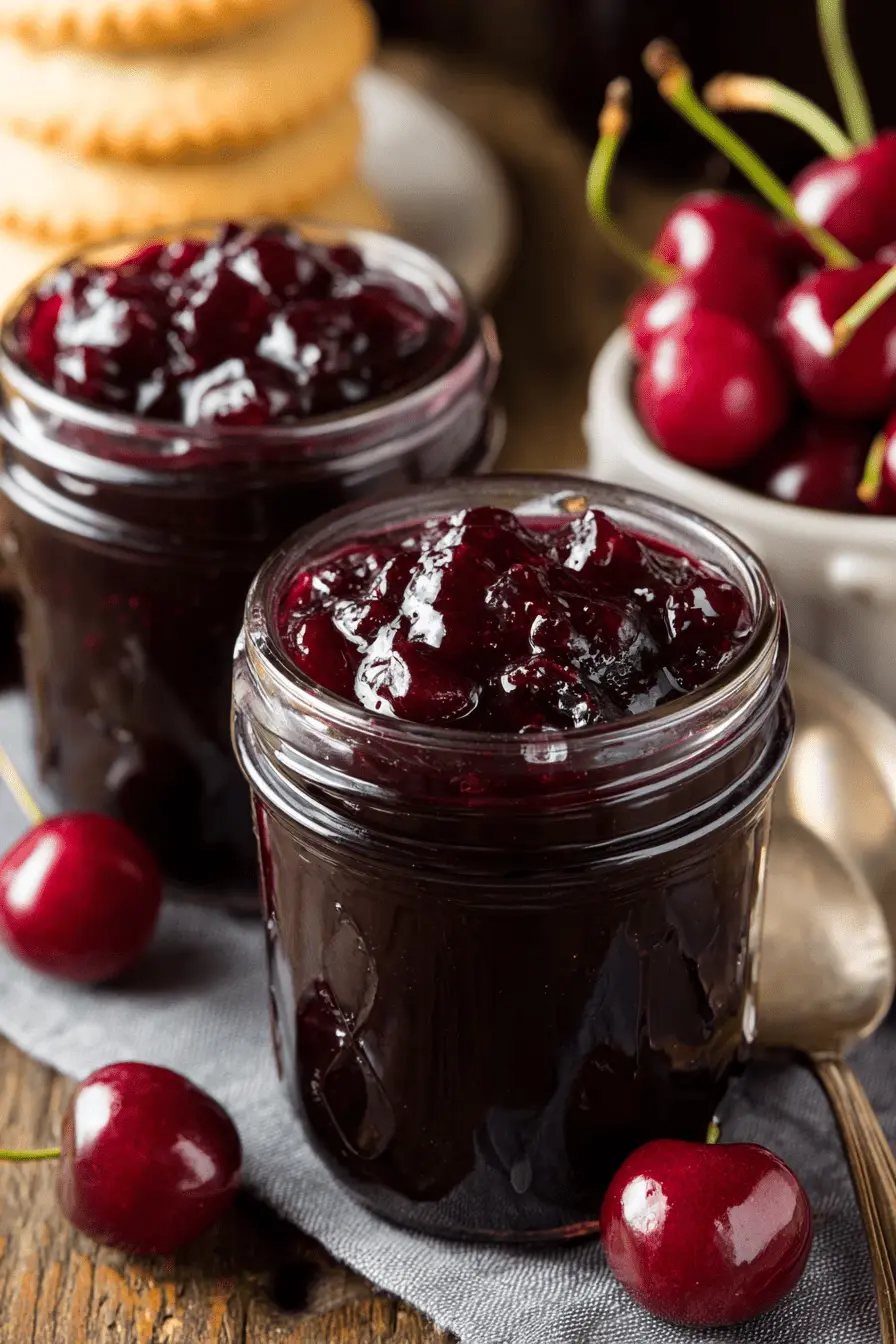
Cherry Preserves
Ingredients
Equipment
Method
- Combine all ingredients in a large, nonstick pot over medium heat and bring to a gentle simmer.
- Cook for about 45 minutes, stirring regularly, until the liquid reduces by half and mostly evaporates.
- Transfer the preserves to a mason jar or other container, let cool completely, then refrigerate for up to 3 weeks.