
Welcome back to my kitchen! If there is one thing I have learned since starting my cooking journey, it is that baking doesn’t have to be scary. I used to look at yeast doughs and think they were reserved for professional bakers, but I promise you, they aren’t.
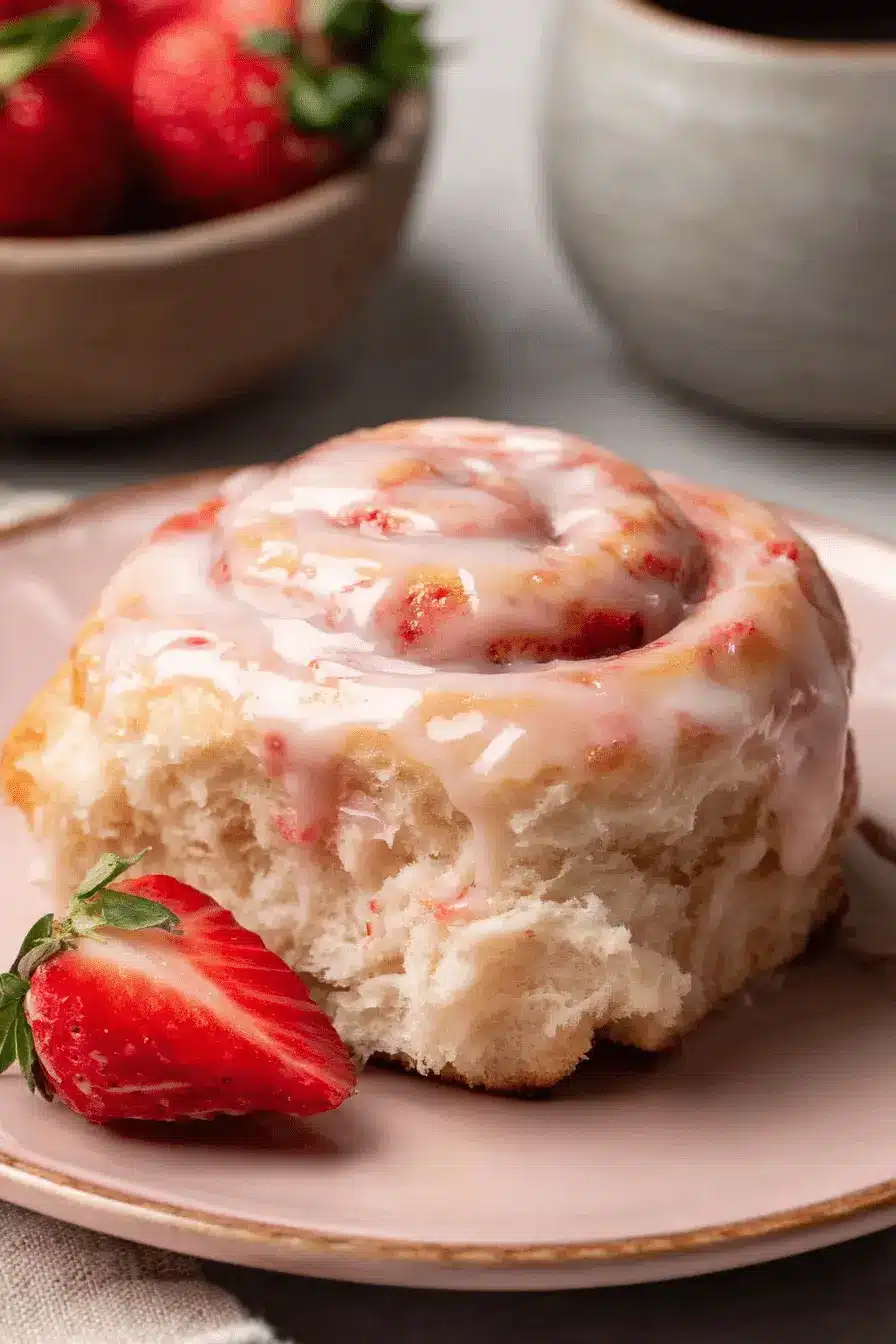
Today, I am sharing a recipe that is near and dear to my heart: Strawberry Sweet Rolls. These are perfect for those mornings when you want something special but still crave simplicity. While the total time looks long (about 5-6 hours), the vast majority of that is just letting the dough rise while you go about your day. Imagine biting into soft, fluffy dough swirled with a homemade jammy strawberry filling and topped with a bright lemon glaze. It is pure comfort on a plate, and I am going to walk you through every single step.
Why You’ll Love These Strawberry Sweet Rolls
- Beginner-Friendly Dough: I designed this dough to be forgiving and easy to handle. Even if you are new to working with yeast, the detailed visual cues I provide will help you get it right the first time.
- Real Strawberry Flavor: Unlike some bakery treats that use artificial flavors, we use fresh strawberries to create a thick, jammy filling that tastes like summer in every bite.
- Customizable Sweetness: You are in control of the toppings. Whether you stick with my zesty lemon glaze or try a creamy vanilla drizzle, you can adjust the sweetness to your liking.
- Perfect for Make-Ahead Breakfasts: You can do the heavy lifting the night before. I love prepping these in the evening so I can just bake them fresh for a fuss-free, delicious breakfast.
Ingredients
- 1 cup (240ml) whole milk*
- 2/3 cup (135g) granulated sugar
- 1 and ½ Tablespoons (14g) active dry yeast (2 standard size packets)
- 1/2 cup (8 Tbsp; 113g) unsalted butter, softened to room temperature and cut into 4 pieces
- 2 large eggs, at room temperature
- 1/2 teaspoon salt
- 4 and 1/2 cups (563g) all-purpose flour (spooned & leveled), plus more for dusting/rolling
- 1 and 3/4 cups (222g) finely chopped strawberries*
- 1/3 cup (68g) granulated sugar
- 1 and 1/2 Tablespoons cornstarch
- 1 cup (120g) confectioners’ sugar, sifted
- 2- 3 Tablespoons (30-45ml) fresh lemon juice
Instructions
- In a small saucepan, warm the milk over low heat until lukewarm—about 95°F (35°C). Pour the warm milk into the bowl of a stand mixer fitted with the dough hook attachment (OR you can use a handheld mixer). With a spoon, manually stir in the sugar and yeast. Cover the bowl with a towel and let sit until the yeast is foamy, about 5-10 minutes. If the yeast does not dissolve and foam, start over with fresh yeast. On low speed, beat in the softened butter until it is slightly broken up. Add the eggs, one at a time, and then the salt. The butter won’t really be mixing into the mixture, so don’t be alarmed if it stays in pieces. On low speed, gradually add the flour. Once it is all added, beat on medium speed until a soft dough forms—about 4 minutes.
- Increase speed to medium-high and beat until the dough is soft and supple, about 6 minutes longer. If you do not have a stand-mixer with a hook attachment, knead the dough by hand in this step.
- Keep the dough in the mixer and beat for an additional 5 full minutes, or knead by hand on a lightly floured surface for 5 full minutes. (If you’re new to bread-baking, my How to Knead Dough video tutorial can help here.) If the dough becomes too sticky during the kneading process, sprinkle 1 teaspoon of flour at a time on the dough or on the work surface/in the bowl to make a soft, slightly tacky dough. Do not add more flour than you need because you do not want a dry dough. After kneading, the dough should still feel a little soft. Poke it with your finger—if it slowly bounces back, your dough is ready to rise. You can also do a “windowpane test” to see if your dough has been kneaded long enough: tear off a small (roughly golfball-size) piece of dough and gently stretch it out until it’s thin enough for light to pass through it. Hold it up to a window or light. Does light pass through the stretched dough without the dough tearing first? If so, your dough has been kneaded long enough and is ready to rise. If not, keep kneading until it passes the windowpane test.
- Form the dough into a ball and transfer it to a lightly greased bowl. Cover the dough loosely with plastic wrap, a paper towel, or aluminum foil and let sit in a warm place until doubled in size, about 2 hours. Here’s what I do: turn the oven on to 200°F (93°C). Turn the oven off. Stick the covered dough inside the oven and allow it to rise in this warm environment.
- Warm the strawberries in a small saucepan over medium heat. Stir constantly for 4 minutes until the strawberries begin to release juices. Add the granulated sugar and cornstarch and continue to stir for another 2 minutes. The mixture will thicken. Remove from the heat, spoon into a heatproof bowl or container, and chill until ready to use. You do not want a warm filling as you spread it onto the dough.
- Grease the bottom of a 9×13-inch baking dish, then line with parchment paper. Turn the dough out onto a lightly floured work surface and, using a rolling pin, roll into a 12×18 inch rectangle. Make sure the dough is smooth and evenly thick, even at the corners.
- Spread the strawberry filling all over the dough. Tightly roll up the dough to form an 18-inch-long log. Cut into 12 even rolls (about 1.5 inches in width each). Arrange them in the prepared baking pan.
- Cover the rolls and allow to rise in a warm environment once again until the are puffy—about 1 – 2 hours (or overnight, see Overnight instructions.)
- After the rolls have risen, preheat the oven to 375°F (190°C). Bake for about 25 minutes, until they are golden brown. About halfway through the bake time, I like to cover the rolls loosely with aluminum foil so the tops don’t brown too much. Remove pan from the oven and allow to cool on a wire rack for about 10 minutes as you make the glaze.
- Whisk the lemon juice and confectioners’ sugar together until smooth. Pour over warm rolls and serve.
- Cover leftovers tightly and keep in the refrigerator for up to 1 week.
Pro Tips for Perfect Strawberry Sweet Rolls
When I first started baking, yeast made me nervous. But over time, I learned a few tricks that make the process foolproof.
- Yeast Activation: After 5-10 minutes, your yeast mixture should look bubbly, almost like the head on a soda or beer. If the surface is flat and still, your yeast is likely old or dead. Throw it out and start again with fresh packets, or your rolls will turn out like hockey pucks.
- Dough Handling & Kneading: Visual cues are everything here. I rely heavily on the “windowpane test” described in the instructions to know when the gluten is developed. Remember that a slightly sticky dough yields a softer roll, so try to add flour sparingly. You want it tacky, like the back of a post-it note, not dry.
- Milk Temperature Matters: If your milk is too hot (over 110°F), it will kill the yeast. If it is too cold, the yeast will not wake up. Aim for lukewarm, which is roughly body temperature or just slightly warmer.
- Achieving the Perfect Rise: A warm, draft-free spot is the secret to fluffy rolls. My favorite method is the oven trick I mentioned in step 4. When your dough has doubled in size and looks puffy, you know the yeast has done its job.
- Choosing Your Baking Pan: I recommend a 9×13 inch baking dish because it allows the 12 rolls to touch slightly as they rise, which keeps the edges soft. If you use a larger pan, the rolls might spread out too much and become drier. If you only have round pans, you can split the batch between two 9-inch round cake pans.
Crafting the Best Strawberry Filling for Sweet Rolls
The filling is the star of this show, so we want it to be perfect.
- Strawberry Variety & Ripeness: Since we are cooking them down, you want strawberries that are red through and through. I always prefer fresh, in-season strawberries for the most vibrant flavor. If your strawberries are a bit tart, you might need a pinch more sugar, but usually, the recipe amount is spot on.
- Preventing Leaky Filling: No one wants a hollow sweet roll. The cornstarch in this recipe is essential because it thickens the juices as the strawberries cook. Additionally, rolling the dough tightly ensures the filling stays inside the swirl rather than pooling at the bottom of the pan.
Customizing Your Strawberry Sweet Roll Glaze
I love the lemon glaze in the recipe, but sometimes it is fun to switch things up. For those who enjoy a bright, lemony dessert, here are a few variations you can try.
| Glaze/Frosting Option | Description & Flavor Profile | When to Use |
|---|---|---|
| Lemon Glaze (recipe provided) | Bright, tangy, and sweet. Cuts through the richness of the roll. | For a refreshing, zesty finish. |
| Vanilla Bean Glaze | Classic, sweet, with rich vanilla notes. Simple yet elegant. | When you want a pure, sweet vanilla flavor. |
| Strawberry Cream Cheese Frosting | Rich, creamy, tangy, and full of fresh strawberry flavor. | For a decadent, bakery-style sweet roll. |
Make-Ahead & Storage Solutions for Strawberry Sweet Rolls
We are all busy, and sometimes baking from scratch in one morning isn’t realistic. Here is how I make this recipe work for my schedule.
- Overnight Rise: This is my favorite method for holidays. Prepare the recipe through step 7 (cutting the rolls and placing them in the pan). Cover the pan tightly and place it in the refrigerator overnight. The next morning, take the pan out and let the rolls rise at room temperature for about 1-2 hours before baking.
- Freezing Unbaked Rolls: You can freeze the shaped rolls right in the pan. Wrap the pan in plastic wrap and foil. When you are ready to bake, thaw them in the fridge overnight, then let them rise on the counter until puffy before putting them in the oven.
- Freezing Baked Rolls: Bake the rolls but do not glaze them. Allow them to cool completely, then wrap them individually or seal them in a freezer bag. To serve, warm them in the oven or microwave and add fresh glaze.
- Refrigerator Storage: As noted in the recipe, leftovers stay fresh in the fridge for up to a week. Just make sure they are covered tightly so they don’t dry out. See, meal prepping isn’t just for savory dinners!
Scaling Your Strawberry Sweet Roll Recipe
Whether you are baking for a crowd or just two people, this recipe is adaptable.
- Halving the Recipe: To make a smaller batch of 6 rolls, simply cut all ingredients exactly in half. You can bake them in a smaller pan, like an 8×8 inch square dish or a 9-inch round cake pan. Check them about 5 minutes early, as they might bake slightly faster.
- Doubling the Recipe: If you are feeding a hungry house, you can double the ingredients. You will need to use two 9×13 pans or a very large baking sheet. Just be mindful that a double batch of dough takes a lot of work to knead, so a heavy-duty stand mixer is very helpful here.
Tools for Fluffy Strawberry Sweet Rolls
You don’t need a fancy kitchen to make these, but a few specific tools can make the process smoother and boost your confidence.
- Stand Mixer (with dough hook): This is my kitchen MVP. It takes the physical labor out of kneading and ensures the dough is developed evenly every time. However, don’t worry if you don’t have one; hand kneading is a great workout and works perfectly fine.
- Kitchen Thermometer: I consider this essential for beginners working with yeast. Taking the guesswork out of the milk temperature guarantees your yeast will activate properly, saving you from a failed rise.
- 9×13-inch Baking Dish: This standard size provides the perfect amount of space for the rolls to proof and expand. It ensures they rise upward rather than outward, giving you those tall, fluffy spirals.
- Rolling Pin: A simple rolling pin helps you get that even 12×18 inch rectangle. Uniform thickness means uniform baking, so no one gets a raw or burnt roll.
Troubleshooting Common Strawberry Sweet Roll Issues
I have had my share of kitchen fails, so I know how frustrating they can be. Here is how to fix common problems.
- Dense or Dry Rolls: This usually happens if there is too much flour in the dough or if they were baked too long. Trust the “tacky” feeling of the dough and avoid adding flour just because it looks sticky. Also, watch your oven timer closely.
- Dough Not Rising: If your environment is too cold, the yeast goes dormant. Try the oven trick I mentioned in the instructions. If it still doesn’t rise, your yeast might have been old or the milk was too hot.
- Burnt Bottoms: Sugar in the dough can cause it to brown quickly. If you notice the bottoms getting dark, move the rack to the upper third of the oven. Covering the top with foil halfway through also helps regulate the heat.
- Sticky Dough While Kneading: It is tempting to dump in more flour, but try just dusting your hands or the bowl lightly. Remember the windowpane test; if it passes, stop kneading, even if it feels a bit sticky.
- Filling Leaking or Becoming Watery: This is why we cook the strawberries with cornstarch first. If it is still leaking, try rolling the log tighter next time.
- Middles Popping Out: This often happens if the rolls are cut unevenly or rolled too loosely. Use a sharp knife or even unflavored dental floss to cut the rolls cleanly without squishing them.
Serving Suggestions & Perfect Pairings
These rolls are a treat on their own, but they are even better with the right company. I love serving them warm with a hot cup of coffee or Earl Grey tea; the bitterness balances the sweet glaze perfectly.
If you are hosting a brunch, these make a stunning centerpiece. Pair them with a savory egg casserole or some crispy bacon to create a sweet and savory spread that will impress anyone. It is a simple way to bring joy to the table.
Dietary Modifications for Your Strawberry Sweet Rolls
I want everyone to enjoy these, so here are a few ways to adjust the recipe for different needs.
| Modification | Guidance | Specific Ingredient Swaps |
|---|---|---|
| Dairy-Free | Substitute dairy ingredients with plant-based alternatives. | Use unsweetened almond or soy milk, and dairy-free butter sticks (like Miyoko’s Kitchen or Earth Balance). |
| Reduced Sugar | Adjust the amount of sugar in the dough, filling, and glaze. | Reduce granulated sugar in dough by 1/4 to 1/3 cup. Adjust sugar in filling to taste. Use less confectioners’ sugar in glaze. Note that this may slightly alter texture. |
Frequently Asked Questions About Strawberry Sweet Rolls
- What are the best types of strawberries to use for the filling?
- Fresh, ripe strawberries are best because they have the most intense flavor and better texture. Frozen strawberries can work in a pinch, but they release a lot more water, so you might need to cook the filling longer to reduce the liquid.
- Can I use all-purpose flour for these rolls, or is bread flour better?
- I developed this recipe using standard all-purpose flour because it makes a soft, tender roll. You can use bread flour if you want a chewier texture, but all-purpose is perfectly fine and likely what you already have in your pantry.
- Why did the middles of my rolls pop out during baking?
- This usually happens because the dough was rolled up very tightly or the cuts weren’t clean, sealing the edges. It creates a “volcano” effect as the center rises. Try rolling slightly looser and using a very sharp knife to cut.
- Can I use a bread maker to make the dough?
- Yes! You can add the milk, sugar, yeast, butter, eggs, salt, and flour to your bread machine pan in the order recommended by the manufacturer. Use the “Dough” setting, then proceed with the recipe from step 5 (making the filling and shaping).
- What can I do if my dough is too sticky while kneading?
- Don’t panic! Just add flour one teaspoon at a time. It is better to have a slightly sticky dough than a tough, dry one. Use a bench scraper to help handle the dough if it is sticking to the counter.
- Is it possible to make these rolls gluten-free?
- Yeast doughs are tricky to convert to gluten-free. I recommend using a high-quality 1:1 gluten-free baking flour blend that includes xanthan gum, but keep in mind the texture will not be quite as fluffy as the original.
Conclusion
Thank you so much for joining me in making these Strawberry Sweet Rolls! I hope this recipe brings a little bit of warmth and sweetness to your kitchen, just like it does to mine. Baking doesn’t have to be about perfection; it is about the joy of creating something with your hands and sharing it with the people you love.
If you give this recipe a try, I would love to hear how it went. Did you stick with the lemon glaze or try something new? Leave a comment below with your experience or any questions you might have. And please, if you snap a photo, share it on social media and tag me with #AishaSweetRolls. I can’t wait to see your beautiful creations! Happy baking!
Strawberry Sweet Rolls
Ingredients
Equipment
Method
- Warm the milk to about 95°F (35°C), then pour it into a stand mixer bowl. Stir in the sugar and yeast, cover, and let sit until foamy for 5-10 minutes.
- On low speed, beat in the softened butter until slightly broken, then add eggs one at a time and salt. Gradually add the flour, then beat on medium speed for 4 minutes until a soft dough forms.
- Increase speed to medium-high and beat for 6 minutes until the dough is soft and supple, or knead by hand.
- Continue beating or kneading for 5 more minutes until the dough passes the finger poke test or windowpane test, indicating it's ready for rising.
- Form the dough into a ball and transfer it to a lightly greased bowl. Cover loosely and let it rise in a warm place, such as a turned-off oven, for about 2 hours until doubled in size.
- Warm chopped strawberries in a small saucepan over medium heat, stirring constantly for 4 minutes until juices release. Add granulated sugar and cornstarch, then continue stirring for 2 more minutes until the mixture thickens; chill completely.
- Grease a 9×13-inch baking dish and line it with parchment paper. Turn the dough out onto a lightly floured surface and roll it into a 12×18-inch rectangle.
- Spread the chilled strawberry filling evenly over the dough. Tightly roll the dough into an 18-inch log, then cut it into 12 even rolls and arrange them in the prepared baking pan.
- Cover the rolls and allow them to rise in a warm environment for 1-2 hours until puffy, or refrigerate overnight for a slower rise.
- Preheat the oven to 375°F (190°C) after the rolls have risen. Bake for about 25 minutes until golden brown, loosely covering with aluminum foil halfway through to prevent excessive browning.
- Remove the pan from the oven and cool rolls on a wire rack for about 10 minutes. While cooling, whisk confectioners’ sugar and lemon juice together until smooth to make the glaze.
- Pour the lemon glaze over the warm rolls and serve. Cover and refrigerate any leftovers for up to 1 week.