
Why You’ll Love This Easy Sriracha Shrimp Recipe
There’s something magical about sriracha shrimp that makes it the ultimate weeknight savior. Unlike takeout that leaves you waiting (and paying) more than you’d like, this homemade version comes together in just 15-20 minutes – faster than delivery and infinitely more satisfying, much like our quick and easy Sausage Gnocchi Soup.
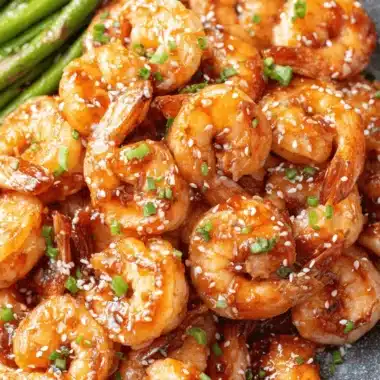
What makes this recipe special is its perfect balance of sweet honey and spicy sriracha. The sauce achieves that restaurant-quality glaze that clings beautifully to each shrimp, yet it’s surprisingly simple to create at home.
Even if you’re new to cooking seafood, this recipe is virtually foolproof. The visual cues I’ll share ensure perfectly cooked shrimp every time – no more rubbery disappointments! Plus, you can easily adjust the heat level to suit everyone at your table.
Best of all, sriracha shrimp fits into almost any meal plan. Serve it over rice for a classic dinner, tuck it into tacos for a fusion twist, or place it atop a salad for a protein-packed lunch. One recipe, endless possibilities!
Essential Equipment for Perfect Sriracha Shrimp
You don’t need fancy gadgets to make restaurant-quality sriracha shrimp. Here’s the short list of kitchen tools that will set you up for success:
- Large skillet or non-stick pan (10-12 inches): This is your most important tool! A spacious pan allows shrimp to cook in a single layer without overcrowding, which is crucial for that perfect sear rather than steaming them.
- Tongs: These give you control when flipping individual shrimp, ensuring even cooking on both sides.
- Mixing bowl: For combining your sauce ingredients before they hit the pan.
- Sharp knife: Makes shrimp prep quick and easy, especially if you’re deveining.
- Paper towels: Essential for patting shrimp dry before cooking, which helps them sear properly instead of steaming.
If you’re looking to invest in just one quality item, make it the skillet. I prefer a heavy-bottomed stainless steel or cast iron pan that can handle high heat and creates those flavorful browned bits that we’ll deglaze for the sauce.
Choosing and Prepping Your Shrimp
Selecting the right shrimp is your first step toward an amazing meal. Here’s what to look for:
Size matters: For this recipe, medium to large shrimp work best – look for "21/25" (21-25 shrimp per pound) or "16/20" (16-20 per pound) on the package. These sizes are substantial enough to handle the high heat without overcooking.
Fresh vs. frozen: Surprisingly, frozen shrimp is often fresher than "fresh" shrimp at the seafood counter, which has likely been thawed already. Buy frozen, then thaw overnight in the refrigerator or in a colander under cool running water for about 5-7 minutes.
Wild vs. farmed: Wild-caught shrimp generally has better flavor but comes with a higher price tag. Quality farm-raised shrimp makes a fine substitute if budget is a concern.
How to peel and devein like a pro:
- Hold the shrimp with the underbelly facing you.
- Grasp the legs and pull them off.
- Starting at the head end, peel the shell back like you’re opening a book, leaving the tail on for a nice presentation.
- For deveining, make a shallow cut along the back of the shrimp with a small knife.
- Lift out the dark intestinal tract with the tip of your knife and rinse briefly under cold water.
Remember to thoroughly pat your shrimp dry with paper towels before cooking. This step is crucial – moisture is the enemy of a good sear!
Ingredients
- 2 pounds raw shrimp (peeled and deveined, with tail on)
- 1 tablespoon olive oil
- sesame seeds (for garnish)
- 1 lime (juiced)
- 2 tablespoon chicken broth
- 1 teaspoon lemon juice
- 2 tablespoon soy sauce
- 2 tablespoon apple cider vinegar
- 3 tablespoon Sriracha
- 4 tablespoon honey
- 1 teaspoon minced garlic
Instructions
- Prepare the shrimp. Peel and devein the shrimp. I prefer to leave the tails on, but feel free to remove the tails if preferred. Pat shrimp dry with paper towels.
- Cook the shrimp. Add the olive oil to a large skillet set over medium-high heat. Add the shrimp in a single layer (you may need to cook them in two batches) and cook for approximately 3 minutes, then flip and continue to cook the other side for an additional 3-4 minutes.
- Mix the sauce. While the shrimp is cooking, mix together the lime juice, chicken broth, lemon juice, soy sauce, apple cider vinegar, Sriracha, honey, and minced garlic.
- Set shrimp aside. Remove the cooked shrimp to a clean plate and set aside.
- Deglaze the pan. Return the skillet to medium-high heat. Deglaze and charred or stuck-on bits with a splash of chicken broth and lemon juice (or soy sauce/apple cider vinegar). Add the sauce to the skillet and bring to simmer.
- Reduce the sauce. Allow the sauce to simmer for 3-4 minutes, or until slightly thickened.
- Combine and coat. Return the shrimp to the skillet, mix well to coat in sauce, and cook for 1-minute.
- Garnish and serve. Remove from heat and garnish with sesame seeds, crushed red pepper, and green onions, if desired. Serve with a side of white rice, brown rice, grilled or roasted veggies, and lime wedges.
How to Get Perfectly Cooked Sriracha Shrimp Every Time
The difference between perfectly cooked shrimp and rubbery disappointment often comes down to just a minute or two. Here’s how to nail it every time:
Watch the shape: Perfectly cooked shrimp form a loose "C" shape. If they curl into a tight "O" shape, they’re overcooked. Undercooked shrimp look almost straight with just a slight curve.
Color transformation: Raw shrimp are translucent with a grayish color. As they cook, they turn pink on the outside and become opaque white with a hint of pink inside. When you see this transition happen, they’re nearly done.
Timing matters: Most medium to large shrimp need only 2-3 minutes per side. They continue cooking slightly even after removed from heat, so err on the side of less cooking time.
Common troubleshooting:
- Rubbery shrimp: You’ve overcooked them. Next time, reduce cooking time and remember they continue cooking slightly after removal from heat.
- Uneven cooking: Your pan was likely overcrowded. Cook in batches so shrimp have space between them.
- Gray spots: These indicate undercooked sections. Return to heat briefly until fully opaque.
Temperature tip: Shrimp are done when they reach an internal temperature of 120°F (49°C), but they’ll quickly move past this point, so visual cues are more practical than using a thermometer.
Remember that shrimp cook extremely quickly compared to other proteins. Stay attentive during the cooking process, and you’ll soon develop an intuitive sense of when they’re perfectly done.
Mastering Your Sriracha Shrimp Sauce
The sauce is what transforms simple shrimp into an irresistible meal. Learning to create masterful homemade sauces can elevate any dish. Here’s how to make it perfect every time:
Recognizing perfect thickness: Your sauce is ready when it coats the back of a spoon and when you run your finger through it, the line remains clear. This typically takes 3-4 minutes of simmering.
Troubleshooting thickness:
- Too thin? Continue simmering to reduce further. If you’re in a hurry, mix ½ teaspoon cornstarch with 1 teaspoon cold water and stir this slurry into the simmering sauce.
- Too thick? Add a splash of chicken broth or water (about 1 tablespoon at a time) until you reach desired consistency.
Brand matters: Different sriracha brands vary in heat level and sweetness. Huy Fong (the green-cap bottle with a rooster) is the standard choice, but Shark and Sky Valley offer distinctive flavor profiles worth trying.
Honey varieties: Regular clover honey works perfectly, but try orange blossom honey for subtle citrus notes or a local wildflower honey for unique regional flavors.
Soy sauce selection: Regular soy sauce creates a more robust sauce, while low-sodium soy sauce allows the other flavors to shine more clearly. If using low-sodium, you might want to simmer the sauce slightly longer to concentrate flavors.
The key to a spectacular sriracha sauce is balance. The honey should temper the heat without making it too sweet, while the vinegar and citrus provide brightness that cuts through the richness. If your sauce tastes one-dimensional, try adding a tiny splash of one of the acid ingredients to brighten it up.
Flavor Boosters & Customization Ideas for Your Sriracha Shrimp
Want to take your sriracha shrimp from great to unforgettable? Try these flavor-enhancing ideas:
Asian-inspired upgrades:
- Add 1 teaspoon freshly grated ginger to the sauce for a warming, aromatic note
- Stir in ½ teaspoon toasted sesame oil just before serving for nutty depth
- Substitute 1 tablespoon of rice vinegar for apple cider vinegar for a more authentic Asian flavor profile
Heat level adjustments:
- For milder shrimp: Reduce sriracha to 1-2 tablespoons and add an extra tablespoon of honey
- For face-melting heat: Add ½-1 teaspoon of crushed red pepper flakes or a few drops of your favorite hot sauce
- For complex heat: Mix 1 tablespoon sriracha with 1 tablespoon gochujang (Korean chili paste)
Textural enhancements:
- Sprinkle with toasted sliced almonds or chopped peanuts for crunch
- Add thinly sliced bell peppers to the pan when returning the shrimp to the sauce
- Stir in snow peas or sugar snap peas for the final minute of cooking
Herbaceous additions:
- Finish with fresh cilantro, Thai basil, or mint for brightness
- Add a tablespoon of minced lemongrass to the sauce for a citrusy, complex flavor
Sweet-heat balance: If your sauce tastes too spicy after mixing, balance it with:
- A drizzle of extra honey
- A squeeze of fresh lime juice
- A tiny pinch of brown sugar
Remember that customization is about making the recipe your own. Start with small additions and taste as you go until you find your perfect flavor combination.
Creative Ways to Serve Your Sriracha Shrimp
This versatile shrimp dish goes far beyond the basic rice bowl. Here are some exciting ways to serve your sriracha shrimp:
- Sriracha Shrimp Tacos: Warm corn tortillas, add shredded cabbage, sriracha shrimp, a squeeze of lime, sliced avocado, and a drizzle of sour cream or Mexican crema for an easy fusion dinner. If you’re looking for another comforting and quick chicken dinner, try our Chicken Cordon Bleu Casserole.
- Asian Lettuce Wraps: Spoon the shrimp into butter lettuce cups, top with julienned carrots, cucumber, and sprouts for a low-carb option that’s perfect for lunch.
- Sriracha Shrimp Noodle Bowl: Toss with rice noodles or ramen, add steamed broccoli and a soft-boiled egg for a complete meal that’s like a homemade version of your favorite noodle shop.
- Protein-Packed Salad: Serve over mixed greens with mandarin orange segments, sliced almonds, and a simple rice vinegar dressing for a light but satisfying meal.
- Game Day Appetizer: Thread one shrimp onto each toothpick, arrange on a platter with extra sauce for dipping, and watch them disappear at your next gathering.
- Sriracha Shrimp Fried Rice: Dice the cooked shrimp and fold into day-old rice with peas, scrambled egg, and a touch more soy sauce for a quick lunch.
- Spicy Shrimp Bao: Fill steamed bao buns with sriracha shrimp, quick-pickled cucumbers, and a sprinkle of sesame seeds for an impressive weekend lunch.
- Sriracha Shrimp Stuffed Avocados: Halve ripe avocados, fill with sriracha shrimp, and top with crumbled cotija or feta cheese for a beautiful appetizer or light meal.
The versatility of these shrimp makes them perfect for meal prep too. Cook a double batch at the beginning of the week and transform them into different meals each day!
Ingredient Substitutions & Dietary Adjustments
| Ingredient/Adjustment | Substitution/Suggestion | Notes |
|---|---|---|
| Soy Sauce | Tamari or Coconut Aminos | For gluten-free or paleo/soy-free. |
| Honey | Maple Syrup, Agave Nectar, or Sugar-Free Sweetener (e.g., erythritol/allulose) | Maple syrup/agave for vegan. Sugar-free sweetener for keto/low-carb. |
| Apple Cider Vinegar | Rice Vinegar or White Wine Vinegar | Rice vinegar for a milder Asian flavor. |
| Chicken Broth | Vegetable Broth or Water | For a vegetarian option. |
| Sriracha | Gochujang (Korean chili paste) or other hot sauce | Adjust quantity to desired spice level. |
| Dietary: Gluten-Free | Use Tamari instead of Soy Sauce | Ensure all other ingredients are certified GF. |
| Dietary: Low-Carb/Keto | Use sugar-free honey substitute (e.g., allulose-based syrup) and ensure all other ingredients are keto-friendly. | Adjust sweetness to taste. |
| Dietary: Lower Sodium | Use low-sodium soy sauce and chicken broth. | Naturally reduces overall sodium content. |
Make-Ahead, Storage, and Freezing Tips for Sriracha Shrimp
Make-ahead options:
- Prep shrimp (peel and devein) up to 24 hours ahead and store in the refrigerator in an airtight container.
- Mix the sauce up to 3 days in advance and store in a sealed jar in the refrigerator. Shake well before using.
- The entire dish can be fully cooked 1-2 days ahead, though fresh is always best for optimal texture.
Refrigerator storage:
- Store cooked sriracha shrimp in an airtight container in the refrigerator for 2-3 days.
- The sauce may thicken when chilled. When reheating, you might need to add a splash of water or chicken broth.
Freezing guidelines:
- While fresh is best for shrimp, you can freeze the cooked sriracha shrimp for up to 1 month.
- Freeze in a single layer on a parchment-lined baking sheet first, then transfer to a freezer bag once solid. This prevents clumping.
- Freeze the sauce separately in ice cube trays for portion control.
Reheating for best results:
- From refrigerated: Gently warm in a skillet over medium-low heat for 2-3 minutes until just heated through. Overheating will make the shrimp tough.
- From frozen: Thaw overnight in the refrigerator before reheating. For best texture, let shrimp come to room temperature for 10 minutes before briefly warming.
- Microwave method (if necessary): Use 50% power in 30-second intervals, stirring between each interval.
Reviving leftover shrimp:
- Add a splash of fresh lime juice when reheating to brighten the flavors.
- Serve leftovers in a new format – for example, chop the shrimp and use in fried rice or a wrap to minimize texture changes.
Remember that seafood has a shorter storage life than other proteins, so enjoy your sriracha shrimp sooner rather than later for the best flavor and food safety.
Frequently Asked Questions
Can I use frozen shrimp?
Absolutely! In fact, frozen shrimp is often fresher than "fresh" shrimp at the seafood counter. Thaw frozen shrimp overnight in the refrigerator or place in a colander under cool running water for 5-7 minutes. Just be sure to pat them very dry with paper towels before cooking for the best sear.
How spicy is this recipe?
With 3 tablespoons of sriracha, this recipe has a moderate kick that most medium-spice lovers will enjoy. For a milder version, start with just 1 tablespoon of sriracha and taste the sauce before adding more. You can always add heat, but you can’t take it away! To reduce the heat after cooking, serve with additional honey drizzled on top or with cooling sides like cucumber salad.
Why did my shrimp turn out rubbery?
Rubbery shrimp is almost always the result of overcooking. Shrimp cook incredibly quickly – about 2-3 minutes per side is usually sufficient. They’re done when they turn pink and opaque with a slight "C" shape. Remember that shrimp continue cooking slightly even after you remove them from the heat, so it’s better to undercook slightly than overcook.
Can I make the sauce ahead of time?
Yes! The sauce can be prepared up to 3 days in advance and stored in an airtight container in the refrigerator. This is a great time-saving technique for busy weeknights. When you’re ready to cook, simply proceed with the shrimp preparation and add your pre-made sauce to the pan as directed in step 5.
What if I don’t have lime or lemon juice?
While the citrus adds brightness to the dish, you can substitute with additional vinegar in a pinch. Use an extra teaspoon of apple cider vinegar in place of the lemon juice, and an additional tablespoon in place of the lime juice. Another option is to use orange juice, which will add sweetness along with acidity.
What’s the best way to serve this to kids?
For kid-friendly sriracha shrimp, reduce the sriracha to 1 tablespoon or less and increase the honey slightly. Serve the shrimp over plain white rice with the sauce on the side for dipping. Many kids enjoy "deconstructed" meals, so consider placing the shrimp on skewers alongside separate portions of rice and vegetables. You can always keep extra sriracha sauce on the table for adults who want more heat!
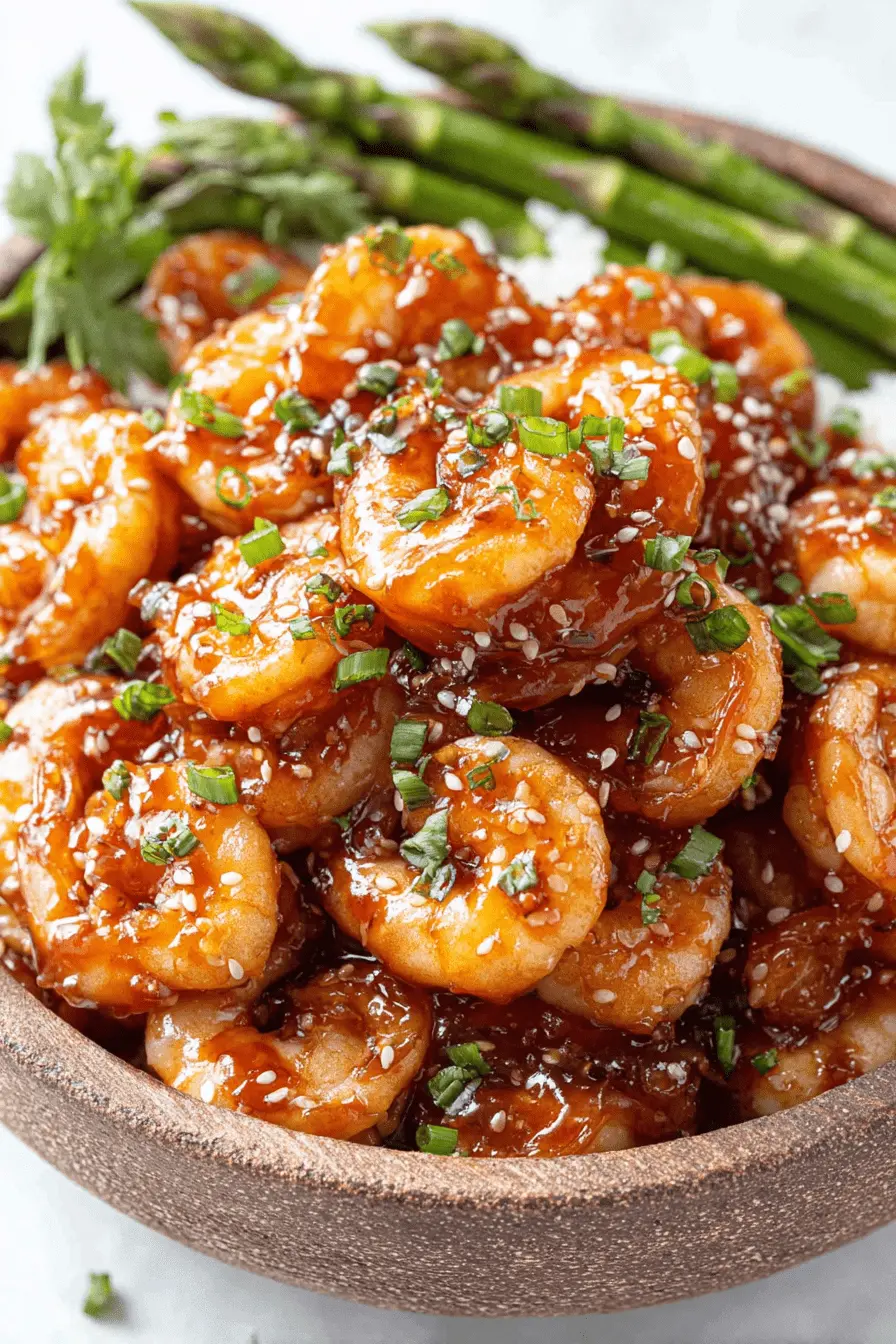
sriracha shrimp
Ingredients
Equipment
Method
- Peel and devein the shrimp, opting to leave the tails on if preferred, then pat the shrimp dry with paper towels.
- Heat olive oil in a large skillet over medium-high heat, add shrimp in a single layer, and cook for approximately 3 minutes per side until done.
- While the shrimp cooks, combine lime juice, chicken broth, lemon juice, soy sauce, apple cider vinegar, Sriracha, honey, and minced garlic to create the sauce.
- Once cooked, remove the shrimp from the skillet and set aside on a clean plate.
- Return the skillet to medium-high heat, deglaze any stuck-on bits with a splash of broth or juice, then add the prepared sauce and bring it to a simmer.
- Allow the sauce to simmer for 3-4 minutes, or until it has slightly thickened.
- Return the cooked shrimp to the skillet, mix well to ensure they are fully coated in the sauce, and cook for an additional 1 minute.
- Remove from heat, garnish with sesame seeds, crushed red pepper, and green onions if desired, and serve with white rice, brown rice, grilled or roasted vegetables, and lime wedges.