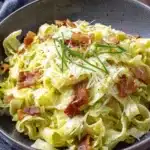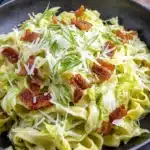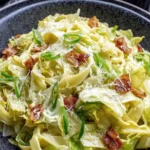

Making fresh pasta from scratch was a game-changer for me, especially when I started using sourdough discard. It felt like I was turning something that might go to waste into a delicious, comforting meal. Sourdough Discard Pasta brings together simple ingredients with a subtle tang, perfect for busy days when you want homemade without the stress.
Table of Contents
Why You’ll Love This Sourdough Discard Pasta Recipe
- Foolproof for beginners: This recipe guides you through each step, making fresh pasta approachable even if it’s your first time.
- Tender texture: The dough yields a beautifully soft, yet firm pasta that cooks up perfectly every time.
- Delicious subtle tang: The sourdough discard adds a gentle, natural tang that elevates the flavor without overpowering.
- Versatile and quick: Great for weeknight dinners, it pairs well with a variety of sauces to keep mealtime exciting.
The Key Ingredients
This recipe keeps things simple with just a few essentials taken directly from my tested recipe:
- 3 cups all-purpose flour or whole wheat flour (or a mix of the two)
- 1/3 cup sourdough starter discard
- 2 large eggs (or 3 medium eggs)
- 1 tablespoon extra virgin olive oil
- 1 teaspoon sea salt
- 1-2 tablespoons water
A Deep Dive into Flour: Choosing the Best for Your Pasta
Understanding your flour makes all the difference when crafting fresh pasta. Here’s a handy comparison to help you choose the best flour for your texture and flavor preferences:
| Flour Type | Best For (Texture) | Why It Works |
|---|---|---|
| ’00’ Flour | Silky, delicate pasta | Finely milled, low protein content gives a smooth dough |
| Semolina | Firm, firm bite | Coarse texture and high gluten content adds structure |
| All-Purpose Flour | Balanced tenderness & chew | Versatile flour providing a good mix of elasticity and softness |
| Whole Wheat Flour | Earthy, hearty flavor | Contains bran for added texture and nutty taste |
Essential Equipment for Making Pasta
To make this sourdough discard pasta with ease, gather these:
- Mixing bowl (medium) to blend your ingredients comfortably
- Rolling pin or pasta machine for rolling the dough evenly
- Plastic wrap or airtight container to rest and ferment dough properly
- Sharp knife, pizza cutter, or pasta cutter for clean cuts in your pasta shape
- Drying rack (nice-to-have) to air dry pasta for long-term storage
How to Make Sourdough Discard Pasta: A Step-by-Step Guide
Follow these steps carefully to create your perfect sourdough pasta dough.
Step 1: Making and Kneading the Dough (By Hand or Stand Mixer)
By hand: Begin by placing the flour in a medium-sized mixing bowl. In a separate small bowl, combine the sourdough starter, eggs, olive oil, and salt, and then pour this mixture over the flour. Use a fork to blend the ingredients until they form large clumps. Gradually add one teaspoon of water at a time to the dough, using your hands to incorporate it until the dough begins to come together. Take note that the dough should not be sticky. If you find that too much water has been added, lightly dust the dough with a small amount of flour. Turn the dough onto a clean work surface and proceed to knead it by hand for approximately 5 to 10 minutes until it reaches a smooth and elastic texture.
With a stand mixer: Combine all the ingredients in the bowl of a stand mixer fitted with the dough hook attachment. Mix on speed 2 for 8-10 minutes or until the dough comes together into a smooth ball.
Step 2: Resting and Fermenting the Dough
Shape the dough into a disc and tightly wrap it with plastic wrap. Let it rest on the counter for 1 hour to develop texture. For more flavor and digestibility, you can opt for a longer fermentation period of up to 24 hours at room temperature or in the fridge. Use a closed container instead of plastic wrap if allowing the dough to expand during this process.
Step 3: Rolling and Cutting Your Pasta
Divide the disc into 4 equal portions, keeping them wrapped to prevent drying. Roll out one portion at a time using a rolling pin or pasta machine, generously sprinkling flour on both sides to avoid sticking. For thickness: aim for a thin sheet for angel hair pasta, medium thickness for fettuccine, or thicker sheets for pappardelle. After rolling, cut your desired shapes using a sharp knife, pizza cutter, bench scraper, or pasta cutter. Place cut pasta on a board, cookie sheet, or drying rack to rest for 30 minutes before cooking.
Step 4: Cooking the Fresh Pasta
Cook fresh pasta in boiling salted water for 4-5 minutes, adjusting time for thickness. Pro tip: Don’t forget to reserve a cup of the starchy pasta water before draining. This liquid gold helps emulsify sauces beautifully.
Flavor Customization: Making the Dough Your Own
Make your pasta uniquely yours by adding flavor straight into the dough. Consider:
- 1 tablespoon finely chopped fresh herbs like rosemary or parsley
- A pinch of freshly ground black pepper for subtle heat
- 1 tablespoon spinach powder for a green hue and mild flavor
- Beet puree for a naturally vibrant pink color and earthy taste
Incorporate these during the initial mixing stage for evenly flavored pasta dough.
How to Store Your Homemade Sourdough Discard Pasta
Storing in the Refrigerator
Fresh pasta can be stored in the refrigerator, tightly covered, for up to 2 days to maintain freshness.
Freezing for Later
Dust freshly cut noodles generously with flour and arrange in a single layer on a baking sheet. Freeze for about 1 hour, then transfer to an airtight container or bag with labels. Cook from frozen by adding directly to boiling water or soup for 8-10 minutes.
Drying for Long-Term Storage
Suspend pasta on a hanging rod or clothing hanger for 24 hours. Drying time varies with humidity, temperature, and noodle thickness. Properly dried pasta will snap rather than bend. Store dried pasta airtight for up to 2 months using vacuum-sealed glass jars if possible. Dried pasta needs 8-10 minutes cooking time.
Troubleshooting Common Pasta Problems
My dough is too sticky or too dry, what do I do?
If sticky, add small amounts of flour gradually while kneading until it feels smooth but not tacky. If too dry, add water a teaspoon at a time until the dough starts to hold together without crumbling.
Why is my pasta tough?
Over-kneading or rolling dough too thick can make pasta tough. Knead just until elastic, and roll thinner for a tender bite. Also, avoid overcooking the pasta.
My pasta is breaking apart while boiling, help!
Ensure the dough is well kneaded and rested before cutting. Fresh pasta should be handled gently and flour-dusted to prevent sticking. Avoid overcrowding the boiling water, and stir gently during cooking.
Frequently Asked Questions
Can I use a very old or young sourdough discard?
Yes, but fresher discard tends to yield a milder flavor. Very old discard may impart a stronger tang and could affect dough hydration.
What’s the best way to prevent the pasta from sticking when rolling and cutting?
Sprinkle flour generously on both sides of the dough as you roll. After cutting, dust the strands or sheets lightly with flour and separate them before resting or drying.
Can I make filled pasta like ravioli with this dough?
Absolutely! This dough is versatile and works well for filled pastas. Just roll the dough thin and shape with your favorite fillings.
How does the hydration of my discard affect the recipe?
Hydration levels can vary; adjust water added cautiously during mixing to achieve a non-sticky but pliable dough.
What to Serve with Your Sourdough Discard Pasta
Try these simple sauce ideas to complement your fresh homemade pasta:
- Brown butter and sage sauce for a nutty, aromatic finish
- Classic basil pesto for vibrant herbal notes
- Quick cherry tomato sauce with garlic and olive oil for fresh acidity
- Creamy garlic Alfredo for indulgent comfort
- Lemon and herb olive oil drizzle for a light, bright touch
Conclusion
Making this sourdough discard pasta is a rewarding way to transform simple ingredients into a comforting meal. The process is easier than you think, and the subtle tang from the sourdough discard adds a unique flavor twist. What’s your favorite sauce to pair with fresh homemade pasta? Please leave a rating and comment with your results—I’d love to hear how your pasta turned out! Don’t forget to share your creations on social media and tag AishaRecipes so I can see your delicious work.
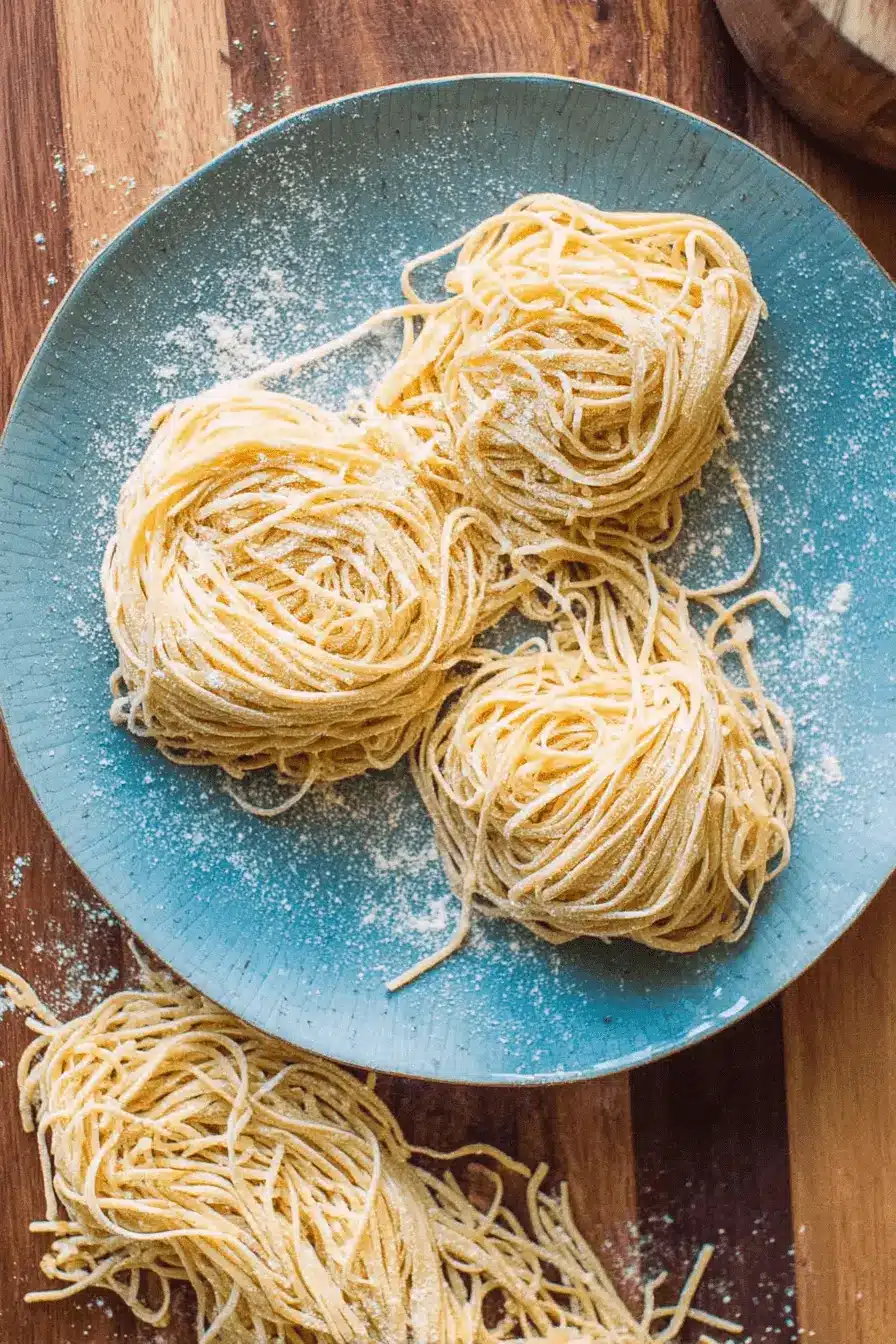
Sourdough Discard Pasta
Ingredients
Equipment
Method
- Place flour in a mixing bowl; in a separate bowl, combine sourdough starter, eggs, olive oil, and salt, then pour this mixture over the flour.
- Use a fork to blend until clumps form, then gradually add water, incorporating with hands until a non-sticky dough forms.
- Knead the dough on a clean surface for 5-10 minutes until smooth and elastic, then shape into a disc, wrap tightly, and rest for 1 hour at room temperature.
- Divide the disc into 4 equal portions, keeping them wrapped, and roll out one portion at a time using a rolling pin or pasta machine.
- Generously sprinkle flour on both sides of the dough throughout the rolling process to prevent sticking, then cut into your desired shape.
- Place the cut pasta on a cutting board, cookie sheet, or hang it on a drying rack to rest for approximately 30 minutes before boiling or using in a recipe.
- Cook fresh pasta in boiling, salted water for approximately 4 to 5 minutes, adjusting time based on thickness.
- Store fresh pasta in the refrigerator, tightly covered, for a maximum of 2 days, or freeze by dusting with flour, freezing on a baking sheet for 1 hour, then transferring to an airtight container.
- For dried pasta, suspend on a hanging rod for 24 hours until it snaps; store in an air-tight container for up to 2 months and cook for 8-10 minutes.