

I used to feel overwhelmed by cooking when I first moved to the U.S., especially missing home flavors but short on time. This easy Sourdough Discard Bread recipe became my go-to comfort, a soft, fluffy sandwich loaf that’s quick, beginner-friendly, and waste-free. It’s perfect for busy days when I want homemade bread without the fuss.
Table of Contents
Why You’ll Love This Sourdough Discard Bread
- Uses sourdough discard to reduce waste while adding a gentle tang.
- Includes yeast for faster rising, making it ready sooner than traditional sourdough.
- Results in a soft, tender crumb that’s ideal for sandwiches. If you enjoy baking different types of sandwich bread, check out our [Ultimate Sourdough Hamburger Buns].
- Easy enough for beginners but delicious enough for seasoned bakers.
- Combines sourdough flavor with the convenience of a quick bread recipe.
What is Sourdough Discard? (And Which Kind to Use)
Sourdough discard is the portion of starter you remove when feeding your sourdough culture. It can be fresh from the fridge or used after a few days, and this recipe is very forgiving about the discard’s consistency. Whether your discard is runny or thick, fresh or slightly aged, you can confidently use it here to boost flavor and reduce waste. For another creative way to use your discard in a different type of loaf, consider baking our [Vibrant Lemon Blueberry Sourdough Bread].
Understanding Your Ingredients
- All-Purpose Flour: Offers the perfect balance for a soft and fluffy crumb, supporting gluten development while keeping the bread tender.
- Active Dry Yeast: Works alongside the discard to speed up rising, so you get that sourdough tang without the long wait.
- Sourdough Discard: Adds depth of flavor and a mild sourdough taste to the loaf, making it unique and delicious.
- Butter: Softens the crumb and enriches the dough, ensuring tender bites and a subtle buttery note.
- Honey: Feeds the yeast gently while adding a touch of sweetness to balance the tang.
- Salt: Enhances the flavors and slows yeast activity just enough for proper dough structure.
- Water: Activates the yeast and hydrates all ingredients, crucial for a well-formed dough.
Essential Tools for This Recipe (and Budget-Friendly Swaps!)
- Stand Mixer with Dough Hook: Makes kneading easier and faster. Budget-friendly swap: Knead by hand on a floured surface.
- Loaf Pan: Shapes the bread into a perfect sandwich loaf. Budget-friendly swap: Use any oven-safe pan or shape free-form on a baking sheet.
- Kitchen Scale: Helps with precise measurements for consistent results. Budget-friendly swap: Use measuring cups carefully; spoon and level flour to avoid packing.
Ingredients for Sourdough Discard Bread
| Ingredient | US Customary | Metric |
|---|---|---|
| Water | 1 cup | 240 ml |
| Honey | 1 tablespoon | 21 g |
| Active Dry Yeast | 3 teaspoons | 9 g |
| Butter (softened) | 4 tablespoons | 57 g |
| All-Purpose Flour | 4 cups | 480 g |
| Salt | 1/2 tablespoon | 7.5 g |
| Sourdough Discard | 1 cup | 240 g |
How to Make Sourdough Discard Bread: A Step-by-Step Guide
1. Activate the Yeast
Whisk together warm water, honey, and yeast. Let it sit at room temperature for about 5 minutes until bubbly.
2. Mix and Knead the Dough
Add the water-yeast mixture, softened butter, flour, salt, and sourdough discard to a stand mixer bowl fitted with a dough hook. Knead on low speed until smooth and elastic, around 10 minutes. You can also knead by hand; the dough shouldn’t stick to the bowl sides.
3. First Rise
Place the dough in a greased bowl, cover with a lid, plastic wrap, or towel, and let it rise in a warm spot for 1-2 hours until doubled.
4. Shape and Second Rise
Grease a loaf pan or line it with parchment paper. Roll dough out into a rectangle, then roll it up and pinch the ends. Place it seam side down in the pan. Let it rise covered at room temperature for 30 minutes to 1 hour until doubled. Optional: brush top with beaten egg.
5. Bake to Perfection
Bake the loaf at 375°F (190°C) for about 45 minutes until golden brown on top. Let cool completely before slicing or storing.
Top Tips for a Perfect Loaf Every Time
- Use the windowpane test to check gluten development: stretch a small dough piece into a thin, translucent square without tearing. This means your dough is ready to rise.
- Look for the poke test during rising: gently poke the dough, and if it springs back slowly, it’s perfectly proofed.
- Tap the bottom of your baked loaf; a hollow sound (thump test) means it’s baked through.
- Don’t rush cooling; slicing too early can make your bread gummy.
Recipe Variations & Substitutions
| Substitution | How to Do It | Notes on the Result |
|---|---|---|
| Dairy-Free | Swap butter with coconut oil or vegan margarine | May alter flavor and texture slightly, still tender. |
| Different Flours | Replace up to 1 cup of all-purpose flour with whole wheat flour | Adds nuttiness and denser texture, may need a bit more water. |
| Flavor Mix-Ins | Add herbs like rosemary or grated cheese to the dough during mixing | Enhances flavor; adjust salt accordingly. |
Troubleshooting Common Sourdough Discard Bread Issues
Why is my dough so sticky?
Likely too much water or underkneaded dough. Add flour a tablespoon at a time while kneading, or knead longer for better gluten development.
Why didn’t my bread rise?
Yeast may be old or water too hot/cold. Ensure the water is warm (not hot), and your yeast is active. Also, proof dough in a warm spot.
Why is my bread dense?
Dough might be under-risen or over-mixed. Allow sufficient rising time and avoid overworking dough after the first rise.
What to Serve with Your Homemade Sandwich Bread
- Classic grilled cheese with melted cheddar.
- Deli-style turkey and avocado sandwiches.
- A comforting bowl of tomato soup alongside fresh slices.
- Toasted with butter and jam for breakfast.
- French toast for a sweet brunch treat.
- Try my other recipes
How to Store Your Sourdough Discard Bread
Keep your bread fresh for 2-3 days at room temperature in a bread box or with the cut side down on a clean surface. For longer storage, slice the loaf, freeze portions in airtight bags, then toast slices directly from frozen.
Frequently Asked Questions
How does room temperature affect my rise time?
Warmer rooms speed up yeast activity, reducing rise time. Colder rooms slow it down, so be patient and let the dough double.
Can I make this a no-knead sourdough discard bread?
You can knead by hand or use stretch-and-folds, but this recipe benefits from kneading for gluten development. Stand mixers speed this up but aren’t required.
How should I store my sourdough discard in the fridge?
Keep discard in a loosely covered container. Feed weekly to keep it active or refresh before baking.
Can I make this recipe in a different shape, like a boule?
Yes, though this recipe is optimized for a loaf pan. Shape into a boule and bake on a parchment-lined tray, but expect a different crust and crumb texture.
Conclusion & Share Your Creations!
This easy Sourdough Discard Bread is a winner for anyone wanting a soft, tangy sandwich loaf without long wait times or waste. For another delicious and versatile sourdough bake, try our [Ultimate Foolproof Focaccia Sourdough Bread]. I hope you find baking it as rewarding and comforting as I do! Please leave a comment if you have questions, rate the recipe if you enjoyed it.
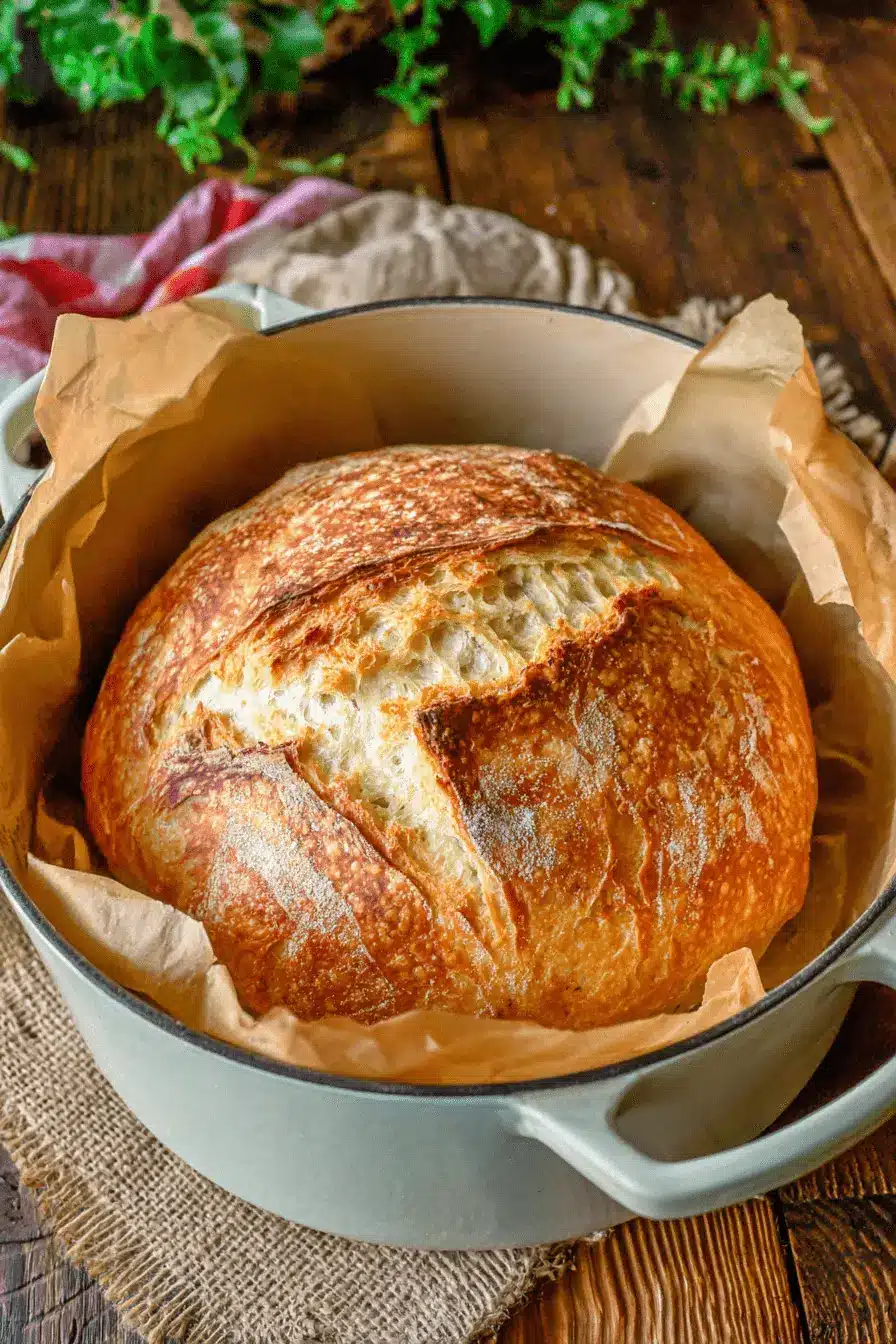
Sourdough Discard Bread
Ingredients
Equipment
Method
- Whisk together warm water, honey, and yeast, then let it sit for about 5 minutes until bubbly.
- In a stand mixer with a dough hook, combine the yeast mixture, butter, flour, salt, and sourdough discard.
- Knead the dough on low speed for about 10 minutes until smooth and elastic, or knead by hand.
- Perform the windowpane test by stretching a small piece of dough; it should be thin enough to see through without tearing, indicating good gluten development.
- Place the dough in a greased bowl and cover it with a lid, plastic wrap, or towel.
- Allow the dough to bulk rise in a warm place for 1-2 hours, or until it doubles in size.
- Prepare a bread pan by greasing it or lining it with parchment paper.
- Roll the dough into a rectangle, then roll it up and pinch the ends to seal the loaf.
- Place the shaped dough seam-side down in the prepared loaf pan and cover for a second rise of 30 minutes to an hour, or until doubled.
- Optionally, whisk an egg and brush it over the top of the dough before baking.
- Bake the loaf at 375°F for about 45 minutes until it reaches a golden-brown color.
- Cool the bread completely before slicing or storing.