
Introduction
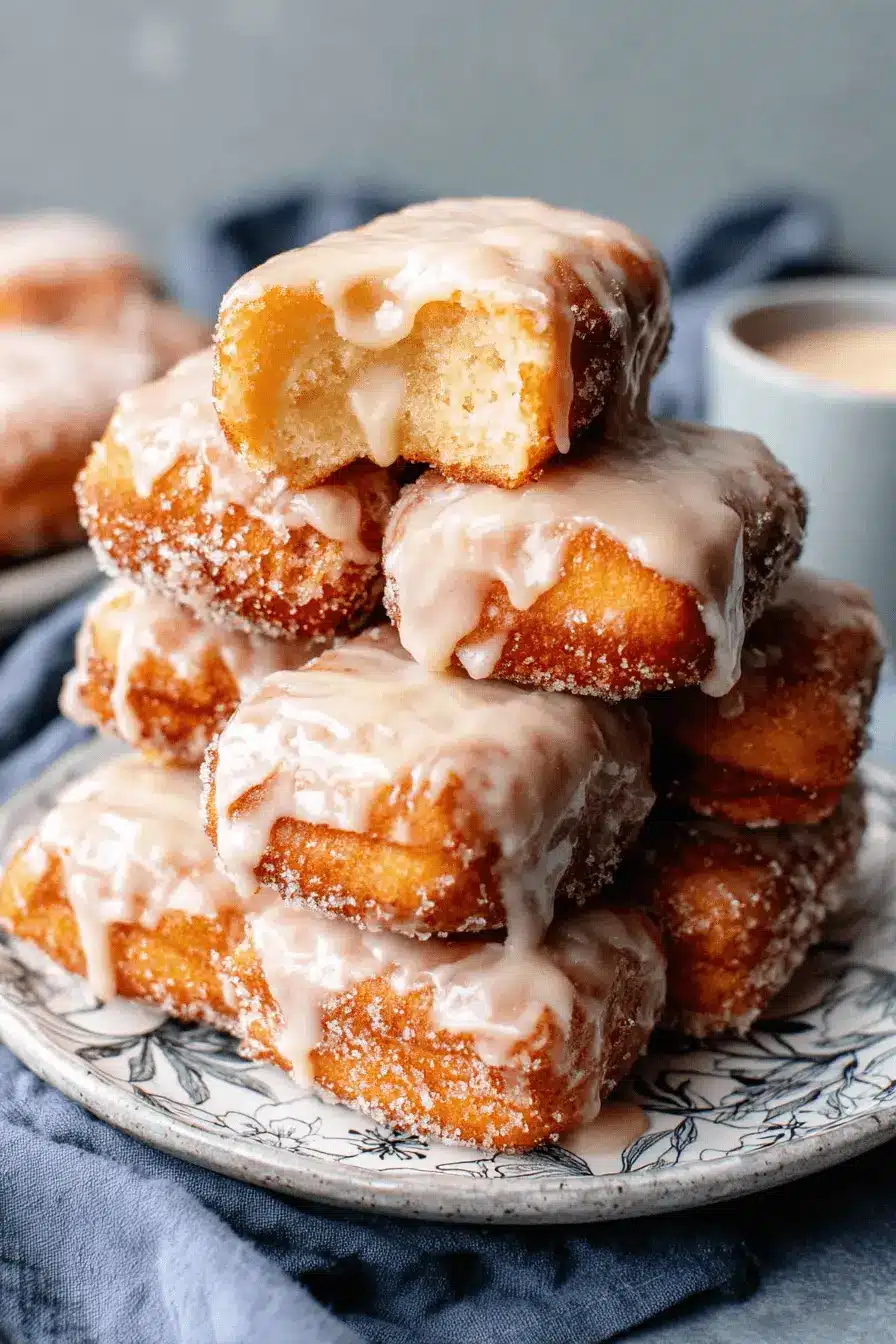
Welcome, baking enthusiasts! There’s something truly magical about homemade treats, isn’t there? For me, they represent comfort, joy, and a little bit of delicious nostalgia. These Maple Donut Bars are no exception. Imagine biting into a fluffy, golden donut, generously coated in a sweet, sticky maple glaze – pure bliss! This recipe brings that bakery-style perfection right into your kitchen, and I promise, it’s surprisingly manageable. With an estimated total time of around 2-3 hours (including rising), you’ll be creating a treat that will impress everyone. Let’s make some incredible Maple Donut Bars together!
Why You’ll Love These Bakery-Style Maple Donut Bars
This isn’t just another donut recipe; it’s the recipe for achieving donut bar perfection at home. Here’s why you’ll fall in love with them:
- Incredibly Soft & Fluffy Dough: We’re talking melt-in-your-mouth texture that rival any professional bakery. The secret is in understanding your dough.
- Irresistible Maple Glaze: A rich, buttery, and perfectly sweet maple glaze that sets beautifully, adding that signature shine and flavor.
- Surprisingly Manageable: Don’t let deep-frying intimidate you! With my clear, step-by-step guidance, even beginners can achieve golden, delicious results.
- Perfect for Sharing (or Not!): These bars are a crowd-pleaser, ideal for brunches, decadent dessert spreads or simply enjoying with your morning coffee.
Understanding Your Dough: A Simplified Guide to Maple Donut Bars
The heart of any great donut is its dough. For these Maple Donut Bars, we’re aiming for a soft, pillowy texture, and that all starts with understanding your ingredients. Yeast is our magical leavening agent; it feasts on sugar and produces carbon dioxide, creating those wonderful air pockets that make donuts fluffy. Kneading, whether by hand or with a stand mixer, is crucial for developing gluten, which gives the dough its structure and elasticity, making it soft yet resilient. Finally, the rising (or proofing) process allows the yeast to do its work, doubling the dough in size and enriching its flavor. You’ll see the dough transform from a sticky mass into a smooth, elastic ball, ready to become delicious donut bars.
Essential Tools for Making Maple Donut Bars
To make these delicious Maple Donut Bars, you’ll need a few key tools to ensure success:
- Stand Mixer: A stand mixer with a dough hook makes kneading effortless, but you can certainly knead by hand!
- Large Mixing Bowls: For mixing ingredients and allowing the dough to rise.
- Plastic Wrap: Essential for covering the dough during its rising stages.
- Rolling Pin: To roll out your dough to the perfect thickness.
- Sharp Knife or Pastry Wheel: For cutting uniform donut bars.
- Parchment Paper: Prevents sticking and makes transferring the shaped bars easy.
- Baking Sheets: For placing your shaped donut bars before frying.
- Wire Rack: Crucial for draining excess oil after frying and for allowing the glaze to set.
- Heavy-Bottomed Saucepan or Dutch Oven: The best vessel for deep-frying, ensuring even heat distribution.
- Candy Thermometer or Deep-Fry Thermometer: Absolutely vital for maintaining the precise oil temperature.
Ingredients for Your Perfect Maple Donut Bars
For the Dough:
- 1 cup (240ml) whole milk, warmed to 105-115°F (40-46°C)
- 2 ¼ teaspoons (1 packet) active dry yeast
- ¼ cup (50g) granulated sugar
- 1 large egg, room temperature
- ¼ cup (56g) unsalted butter, melted and cooled
- 1 teaspoon vanilla extract
- ½ teaspoon salt
- 3 cups (360g) all-purpose flour, plus more for dusting
- Oil, for frying (vegetable, canola, or peanut oil recommended)
For the Maple Glaze:
- 1 cup (120g) powdered sugar, sifted
- ¼ cup (56g) unsalted butter, melted
- ¼ cup (60ml) pure maple syrup (dark amber or Grade A Dark, Robust recommended)
- 1 teaspoon vanilla extract
- 1-2 tablespoons hot water or milk, as needed for consistency
Step-by-Step Instructions for Maple Donut Bars
Make the Dough
- Activate Yeast: In the bowl of a stand mixer, combine the warm milk, yeast, and granulated sugar. Stir gently and let sit for 5-10 minutes until foamy. This indicates your yeast is active!
- Mix Wet Ingredients: Add the egg, melted butter, and vanilla extract to the yeast mixture. Mix on low speed with the dough hook until just combined.
- Add Dry Ingredients & Knead: Gradually add the salt and flour, mixing on low speed until a shaggy dough forms. Increase speed to medium-low and knead for 8-10 minutes until the dough is smooth, elastic, and pulls away from the sides of the bowl. It should feel soft and slightly tacky, but not sticky. Place the dough in a lightly oiled large bowl, turn to coat, cover with plastic wrap, and let rise in a warm place for 1-1.5 hours, or until doubled in size. A doubled dough will look plump and airy, and a gentle poke with your finger will leave an indentation that slowly springs back.
Shape and Proof
- Roll & Cut: Gently punch down the risen dough to release air. Turn it out onto a lightly floured surface. Using a rolling pin, roll the dough into a large rectangle, approximately 10×15 inches and about ½-inch thick. Using a sharp knife or pastry wheel, trim the edges to create a neat rectangle, then cut the dough into 12 uniform bars (about 2.5×5 inches each).
- Prepare for Second Proof: Line two baking sheets with parchment paper. Carefully transfer the cut donut bars to the prepared baking sheets, leaving about 2 inches between each bar.
- Second Proof: Loosely cover the donut bars with plastic wrap or a clean kitchen towel. Let them rise in a warm place for another 30-45 minutes, or until noticeably puffy and almost doubled in size. To test for readiness, gently poke a bar with a floured finger; if the indentation slowly springs back halfway, they are ready to fry. If it springs back too quickly, proof longer. If it stays indented, they are over-proofed.
Fry the Maple Donut Bars
- Heat Oil: In a heavy-bottomed saucepan or Dutch oven, heat about 3-4 inches of oil over medium-high heat until it reaches a consistent temperature of 350°F (180°C). Use a candy or deep-fry thermometer to monitor the temperature closely.
- Fry Donuts: Carefully lower 2-3 donut bars into the hot oil using a slotted spoon or spider. Do not overcrowd the pan. Fry for 1-2 minutes per side, or until golden brown and cooked through. The bars will puff up beautifully. Using the slotted spoon, carefully remove the fried donut bars and place them on a wire rack set over a baking sheet to drain any excess oil. Repeat with the remaining donut bars, ensuring the oil temperature stays consistent between batches.
Make and Apply the Maple Glaze
- Make Glaze: While the donut bars are cooling slightly (they should still be warm), whisk together the sifted powdered sugar, melted butter, pure maple syrup, and vanilla extract in a medium bowl until smooth.
- Adjust Consistency: If the glaze is too thick, add hot water or milk, ½ teaspoon at a time, until it reaches a pourable, but still thick, consistency. It should coat the back of a spoon.
- Glaze Donut Bars: While the donut bars are still warm, dip each bar into the maple glaze, ensuring both sides are coated, or drizzle generously over the tops. Place them back on the wire rack to allow the excess glaze to drip off and set. The glaze will firm up as it cools.
Mastering the Fry: Tips for Fluffy Maple Donut Bars
Deep-frying can seem daunting, but with a few key tips, you’ll be frying like a pro in no time! Offer specific, confidence-boosting advice on safety tips for beginners, as identified in the competitor analysis and gaps. Always keep a lid nearby in case of a grease fire and never leave hot oil unattended.
- Best Oil Types: For frying donuts, neutral-flavored oils with a high smoke point are best. Vegetable, canola, peanut, or sunflower oil are excellent choices. Avoid olive oil as its smoke point is too low.
- Precise Oil Temperature: Maintaining 350°F (180°C) is critical. If the oil is too cold, your donuts will absorb too much oil, becoming greasy and heavy. If it’s too hot, the outside will burn before the inside cooks through, resulting in a raw center and dark crust.
- Avoid Overcrowding: Only fry 2-3 donut bars at a time to prevent the oil temperature from dropping too drastically and to allow for even cooking.
- Visual Cues for Doneness: Look for a beautiful golden-brown color on each side. The donuts should puff up and feel light. Briefly explain how different oil temperatures impact the donut (greasy vs. dry) and the formation of a perfect crust.
Crafting the Perfect Maple Glaze
A perfect maple glaze makes these donut bars shine! If your glaze is too thick, it won’t coat smoothly; too thin, it’ll run right off. The ideal consistency should be pourable yet thick enough to cling to the donut, creating a beautiful, shiny finish. If your glaze is too thick, simply add a tiny bit (½ teaspoon at a time) of hot water or milk until it’s just right. If it’s too thin, whisk in a tablespoon or two more sifted powdered sugar. The key to a glossy finish is dipping the donut bars while they are still warm, but not piping hot, as this helps the glaze adhere and set beautifully.
Creative Variations & Serving Suggestions for Your Maple Donut Bars
These Maple Donut Bars are fantastic on their own, but don’t be afraid to get creative!
- Serving Suggestions:
- Coffee Companion: Pair them with a hot cup of coffee or a frothy latte for the ultimate breakfast treat.
- Brunch Spread Star: Arrange them beautifully on a platter as part of a decadent brunch spread.
- Dessert Delight: Serve them slightly warm with a scoop of vanilla bean ice cream for an elevated dessert.
- Flavor Variations:
| Variation Name | Description |
|---|---|
| Cinnamon Sugar | Omit the maple glaze. Toss warm donut bars in a mixture of granulated sugar and cinnamon. |
| Chocolate Glaze | Melt 1 cup chocolate chips with 2 tbsp butter and 2 tbsp milk. Dip warm bars. |
| Sprinkle Fun | Add colorful sprinkles to the wet maple glaze immediately after dipping. |
| Bacon Bits | Sprinkle crumbled cooked bacon over the wet maple glaze for a sweet and savory twist. |
Troubleshooting Your Maple Donut Bars
Even experienced bakers run into snags! Here’s how to troubleshoot common issues:
- Dough not rising: This is usually due to inactive or “dead” yeast, or an environment that’s too cold. Ensure your milk is the correct temperature (105-115°F) and your rising spot is warm (like a slightly warmed oven, turned off).
- Donuts too dense/heavy: This can be caused by over-kneading (which creates tough gluten) or, more commonly, under-proofing. Give your dough enough time to become light and airy during both rises.
- Donuts greasy: Your oil was likely too cold. The donut absorbed the oil instead of forming a quick crust. Always monitor your oil temperature with a thermometer.
- Donuts burnt outside, raw inside: Your oil was too hot. The exterior cooked too quickly. Lower the heat and let the oil cool slightly before continuing to fry.
- Glaze not setting: Most often, the glaze is too thin. Add a bit more sifted powdered sugar, a tablespoon at a time, until it reaches the right consistency.
- Glaze breaking/cracking: The glaze might have been applied too thick, or the donut bars were too cold when glazed, causing it to harden and crack as the donut cools further.
Storing and Reheating Your Maple Donut Bars
Homemade donut bars are best enjoyed fresh, but if you have leftovers, here’s how to keep them delicious:
- Storage: Store glazed Maple Donut Bars in an airtight container at room temperature for up to 2 days. The glaze will soften slightly over time.
- Freezing (Ungarzed): You can freeze unglazed, fried donut bars. Let them cool completely, then place them in a single layer on a baking sheet and freeze until solid. Transfer to a freezer-safe bag or container for up to 1 month. Thaw at room temperature and glaze before serving.
- Freezing (Glazed): While possible, freezing glazed donut bars can affect the glaze’s texture, making it sticky or watery upon thawing. It’s generally better to freeze unglazed.
- Reheating: To gently warm leftover donut bars, place them on a microwave-safe plate and microwave for 10-15 seconds. Be careful not to overheat, or they can become tough.
Frequently Asked Questions (FAQs) About Maple Donut Bars
- Can I bake these instead of frying? While you technically can, baking won’t give you the classic light, fluffy, and crispy exterior of a fried donut. This recipe is optimized for frying for that authentic donut experience.
- Can I make the dough ahead of time? Yes! After the first rise, you can punch down the dough, cover it tightly, and refrigerate it for up to 24 hours. Let it come to room temperature for about 30 minutes before rolling and shaping.
- What’s the best type of maple syrup to use? Pure maple syrup is a must! Dark Amber or Grade A Dark, Robust is often preferred for its stronger maple flavor, which shines beautifully in the glaze.
- How can I tell if my yeast is active? After combining it with warm milk and sugar, active yeast will become foamy and bubbly within 5-10 minutes. If it doesn’t foam, your yeast is likely expired or your milk wasn’t the right temperature.
- Can I reuse frying oil? Yes, you can. After frying, let the oil cool completely. Strain it through a fine-mesh sieve lined with cheesecloth to remove any food particles. Store it in an airtight container in a cool, dark place for up to 1 month.
- How long do homemade maple bars last? For optimal freshness and flavor, homemade maple bars are best enjoyed within 1-2 days when stored properly at room temperature.
Conclusion
And there you have it, friends – your very own batch of bakery-style Maple Donut Bars! Wasn’t that a rewarding journey? From activating the yeast to glazing that final, golden bar, you’ve mastered a truly delicious treat. These aren’t just donuts; they’re a testament to your baking prowess and a symbol of the joy that comes from creating something wonderful in your own kitchen. I’m so excited for you to share these with loved ones, or simply savor every single bite yourself.
I’d love to hear about your experience! Please leave a comment below with any questions, tips, or how your Maple Donut Bars turned out. Don’t forget to share your photos on social media using #AishasKitchen and tag me! For more easy and comforting recipes, be sure to subscribe to my newsletter. Happy baking!
Maple Donut Bars
Ingredients
Equipment
Method
- Combine water, granulated sugar, butter, egg yolks, yeast, salt, and vanilla extract in a stand mixer or large bowl until blended.
- Whisk flour and baking powder, then gradually add to the yeast mixture until a soft, sticky dough forms. Add more flour if needed, and knead by hand for 10 minutes if not using a mixer.
- Knead the dough for 5 more minutes, then transfer to an oiled bowl, cover, and let rise in a warm place for about 1 hour until doubled.
- Roll the dough into a 10x12-inch rectangle on a floured surface. Cut the rectangle in half, then cut each strip into 6 bars.
- Arrange the doughnut bars on floured, parchment-lined baking sheets and cover to prevent drying, using a baking sheet or a loose covering.
- Allow the doughnuts to rise again in a warm place for about 1 hour, until they have doubled in size.
- Prepare a wire rack on a baking sheet. Heat 2 inches of oil in a large saucepan to 350°F (180°C) using a candy thermometer.
- Fry the donut bars one at a time for about 1 minute per side until golden, then drain on the wire rack until fully cool.
- Whisk together powdered sugar, maple syrup, melted butter, and maple extract in a shallow bowl until the glaze is smooth.
- Dip the top of each cooled maple bar into the glaze, allowing excess to drip off, then place back on the wire rack to set.
- Serve immediately after the glaze sets for best freshness; store any leftovers in an airtight container at room temperature for up to one day.