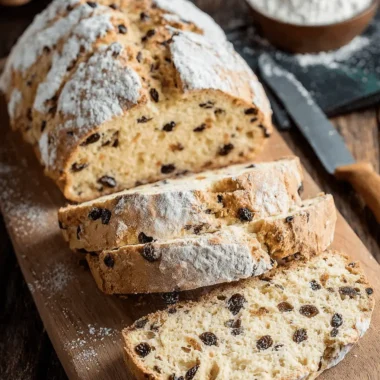

When I moved to the U.S. in my thirties, I missed the familiar flavors of home but lacked the energy for complicated recipes. I needed comfort, fast. This Italian herbs and cheese bread was born from that desire—blending the warmth of homemade baking with the speed my busy life demanded. It is a small victory that makes dinner special without the stress.
Welcome to Your New Favorite: Homemade Italian Herbs and Cheese Bread!
Welcome to my kitchen, friend! If you are looking for a way to elevate your weeknight dinner without adding stress to your routine, you have found it. Baking bread can often feel intimidating, but I promise you, this recipe is designed for real life. It is forgiving, quick to prepare, and incredibly rewarding.
This isn’t just a side dish; it is the star of the table. Whether you are craving that nostalgic “Subway copycat” style sandwich or just need something warm to dip into a bowl of soup, this bread delivers. We are going to make something beautiful together, and I will be right here with you through every step.
Why You’ll Love This Italian Herbs and Cheese Bread (Subway Copycat & Beyond!)
I know there are so many delicious bread recipes out there to try, but this one holds a special place in my heart. It bridges the gap between artisan flavor and busy-weeknight practicality. Here is why this Italian herbs and cheese bread will become a staple in your home:
- Incredible Flavor Complexity: This isn’t bland white bread. The combination of garlic, oregano, and parsley baked right into the crust creates a savory aroma that fills the whole house.
- Beginner-Friendly Dough: You do not need to be a professional baker to get this right. The dough is supple and easy to handle, making it the perfect confidence booster for anyone new to working with yeast.
- Unbeatable Texture: By using bread flour (and a secret ingredient!), we achieve a crumb that is irresistibly soft and fluffy on the inside, while the cheese creates a golden, slightly crisp exterior.
- Versatility: While it makes the ultimate sub sandwich, this recipe is just as delicious sliced alongside pasta or toasted with a bit of butter for a truly comforting snack.
The Science of Perfect Bread: Understanding Yeast, Gluten & Hydration
Let’s take a moment to geek out just a little bit. Understanding why we do things in the kitchen helps us cook with confidence. Bread baking really comes down to three main friends: yeast, gluten, and water.
Yeast is the living organism that eats sugar and creates gas, which makes our dough rise. Gluten, which comes from the protein in the flour, acts like a balloon that traps that gas. Hydration—the water—allows these two to move and interact. When we get the balance right, we get magic.
Choosing Your Yeast: Active Dry vs. Instant – And How to Use Them
For this recipe, we are using active dry yeast. This type of yeast needs a little “wake-up call” before it gets to work. That is why we whisk it with warm water first. It confirms the yeast is alive and ready to bubble.
If you only have instant yeast in your pantry, don’t worry! You can use it too. Instant yeast is more potent and doesn’t explicitly need that water bath, but for the sake of this recipe’s hydration levels, you can treat it exactly the same way. Just remember that active dry yeast takes a little longer to rise, giving the Italian herbs and cheese bread a slightly deeper flavor development.
The Role of Flour, Salt, and Sugar in Your Italian Herbs and Cheese Bread
Every ingredient in this bowl has a job to do. We use bread flour because it has a higher protein content than all-purpose flour. More protein means stronger gluten strands, which gives our bread that signature chewy, subway-style texture.
Sugar isn’t just there for sweetness; it is food for the yeast, helping it bloom quickly. Salt is strictly for flavor and control. Without salt, yeast would go crazy and eat all the sugar too fast, leading to dough that collapses. Salt keeps everything in check so your loaf rises perfectly.
Essential Equipment for Your Homemade Italian Herbs and Cheese Bread
having the right tools makes the process smoother, but you don’t need a professional bakery setup. Here is what I recommend for the best results:
- Stand Mixer: This is my go-to for this recipe. It saves your arms and ensures the gluten develops fully in the 6-minute kneading window.
- Silicone Sub Roll Mats: If you want that authentic shop-style shape with professional ventilation for the crust, these mats are a game-changer. They hold the shape of the dough during the rise.
- Kitchen Scale: While I provided cup measurements, a scale ensures accuracy. Baking is chemistry, after all!
- Instant-Read Thermometer: This takes the guesswork out of the water temperature. You want warm, not hot (think baby bathwater), usually around 110°F.
Ingredients for Your Italian Herbs and Cheese Bread Masterpiece
These are the exact ingredients I use to bring this comforting recipe to life. Gather everything before you start to keep the process stress-free.
- 3 cups warm water
- 4 Tbsp dry active yeast
- 1/4 cup granulated sugar
- 1/3 cup oil
- 1 Tbsp salt
- 2 eggs
- 1/3 cup instant mashed potato flakes (optional)
- 7 1/2 cups bread flour
- 1 Tbsp oregano
- 2 Tbsp garlic powder
- 1 Tbsp dried parsley
- 2 Tbsp parmesan cheese
Step-by-Step Instructions: How to Make Italian Herbs and Cheese Bread
Here is the roadmap to your delicious dinner. Take it one step at a time, and remember to enjoy the process!
- Whisk the wet ingredients. In the bowl of a stand mixer whisk together the yeast and water. Whisk in the sugar, oil, salt, eggs, and the mashed potato flakes if using.
- Knead the dough. Add the flour and knead for 6 minutes over low speed. Rest the dough for 10 minutes.
- Divide and shape. Transfer dough onto a floured surface and cut into 4 equal pieces. Cut each piece in half again to make a total of 8 pieces. Gently pat and roll into a 12-inch log.
- Moisten for toppings. Spray the tops with water.
- Coat with herbs. Dredge into the Italian Herb Blend.
- Prepare for baking. Place rolls onto Silicone Sub Roll Mats and score the tops (3-4 slashes.)
- Proof the dough. Allow dough to rise until tripled in size (up to 1 hour if rising in a warm place.)
- Add cheese and bake. Sprinkle the tops with shredded Colby and Monterey Jack Cheese. Bake for 15-18 minutes at 375°F. Cool in molds before removing.
Ingredient Deep Dive: Crafting Your Perfect Italian Herb and Cheese Blend
The soul of this bread lies in the seasoning. While the dough is fantastic, the topping is what makes people ask for the recipe. You can buy pre-mixed seasonings, but making your own allows you to control the salt and spice levels.
Choosing Your Italian Herbs: Store-Bought vs. Homemade Blend
Here is a quick comparison to help you decide which route to take for your seasoning.
| Feature | Store-Bought Italian Seasoning | Homemade Herb Blend |
|---|---|---|
| Convenience | High. Ready to use immediately. | Medium. Requires measuring individual spices. |
| Flavor Profile | Generic balance, often heavy on basil. | Customizable. You can boost the garlic or oregano. |
| Freshness | varies based on shelf life. | usually more potent if spices are fresh. |
| My Recommendation | Good for a rush. | Best choice. Mix oregano, garlic powder, and parsley for this specific recipe. |
Selecting Your Cheese: The Best Melty & Flavorful Options
The cheese needs to melt beautifully but also brown slightly to create that signature crust.
| Cheese Type | Flavor Profile | Melt Quality | Verdict |
|---|---|---|---|
| Monterey Jack | Mild, creamy, buttery. | High. Melts very evenly. | Essential. Use this for the base melt. |
| Colby | Mild, slightly sweet. | Medium-High. Good coverage. | Essential. Pairs perfectly with Jack. |
| Parmesan | Salty, nutty, sharp. | Low. It crisps rather than melts. | Use inside the herb blend, not as the main topper. |
| Mozzarella | Very mild, milky. | Very High. Can get rubbery if over-baked. | Okay substitute, but lacks the “copycat” flavor punch. |
Mastering Dough Development: Kneading & Rising Your Italian Herbs and Cheese Bread
The kneading stage is where we build the structure of the bread. Since we are using a stand mixer for 6 minutes, you should see the dough transform.
Visual Guide to Perfect Kneading: Stand Mixer & Hand-Kneading
When you first add the flour, the mixture will look shaggy and rough. As the mixer runs, the dough will start to pull away from the sides of the bowl. By the end of the 6 minutes, the dough should be smooth and elastic.
If you touch it, it should feel tacky—like the sticky part of a post-it note—but it should not leave a mess of dough on your finger. If it is too sticky, add a tablespoon of flour. If it’s tough and dry, add a teaspoon of water.
The Art of the First Rise: What to Look For
After kneading, we let the dough rest. This isn’t a long bulk fermentation, but rather a short rest to relax the gluten. This 10-minute rest makes the dough much easier to shape. If you skip this, the dough will fight back and shrink when you try to roll it into logs.
Shaping & Topping Your Italian Herbs and Cheese Bread Rolls
Shaping is where your bread takes on its personality. We want uniform logs so they bake evenly.
From Dough to Delicious Rolls: Shaping Techniques
To get that perfect sub shape, gently pat your piece of dough into a rough rectangle. Roll it up tightly like a jelly roll, pinching the seam closed with your fingertips. Then, gently roll it back and forth under your palms to lengthen it to 12 inches.
Applying the Italian Herbs and Cheese Topping
The secret to getting the herbs to stick is the water spray. Don’t skip this! A light mist creates a glue-like surface on the dough. When you dredge the damp top into the herbs, they adhere firmly and won’t fall off after baking.
Proofing Perfection: The Final Rise for Fluffy Italian Herbs and Cheese Bread
This is the most critical step for texture. We want the dough to triple in size. This might take up to an hour depending on how warm your kitchen is.
Use the “poke test” to check. Gently press your finger into the side of the dough. If the indentation springs back immediately, it needs more time. If the indentation stays and slowly fills back in, it is ready to bake. If it collapses, it is over-proofed.
Baking Your Italian Herbs and Cheese Bread: Tips for a Golden Crust & Fluffy Interior
The oven spring—that final burst of rising when the dough hits the heat—is key.
Creating Steam for a Professional Crust
Steam keeps the crust soft initially, allowing the bread to expand fully before the crust hardens. While this recipe is soft, a little humidity helps. You can place a pan of hot water on the bottom rack of your oven while preheating to create a steamy environment.
Adjusting for Different Ovens & Altitude Baking
If you are using a convection oven, reduce the temperature by 25°F (to 350°F) or check the bread 3-4 minutes early. For my high-altitude friends, you may need to decrease the yeast slightly or increase the oven temperature to set the structure before it over-rises.
Troubleshooting Common Italian Herbs and Cheese Bread Issues (Problem Solved!)
Even with the best recipes, kitchen mishaps happen. Here is how to fix them.
My Dough is Too Sticky/Too Dry
If your dough is a puddle, add flour one tablespoon at a time while mixing. Humidity affects flour, so you may need more flour on a rainy day. If the dough is a hard ball that thumps around the mixer, add water a teaspoon at a time until it softens.
Why is My Italian Herbs and Cheese Bread Dense?
Dense bread usually means the yeast didn’t work properly (it might be old or the water was too hot and killed it). It can also happen if you didn’t let the dough rise long enough in the final stage. Patience is your best ingredient here!
My Crust Isn’t Browning Enough (or is too dark!)
If the cheese is burning before the bread is done, tent a piece of foil loosely over the top for the last few minutes of baking. If it is too pale, you might need to move the tray to the upper third of the oven for better heat circulation.
Delicious Variations & Customizations for Your Italian Herbs and Cheese Bread
Once you master the base recipe, feel free to get creative!
Beyond the Classic: Flavor Boosts
Try adding flavor inside the dough. A half-cup of roasted garlic cloves or chopped sun-dried tomatoes folded in during the last minute of kneading adds a gourmet touch. Everything bagel seasoning is also a fun swap for the Italian herbs.
Cheese Combinations to Try
While Colby and Monterey Jack are the classic choices, you can experiment. Sharp cheddar gives a nice bite, while Pepper Jack adds a spicy kick. Provolone is another excellent melter that adds a subtle smokiness.
Creative Serving Suggestions for Italian Herbs and Cheese Bread
Obviously, these make the world’s best meatball subs. But don’t stop there.
- Garlic Bread Supreme: Slice the baked loaves, slather with garlic butter, and broil.
- Bread Bowls: Shape the dough into round boules instead of logs to hold thick chowders.
- Savory French Toast: Use day-old herbal bread for a savory breakfast bake with eggs and spinach.
Storing & Reviving Leftover Italian Herbs and Cheese Bread
To keep your bread fresh, store it in an airtight container or Ziploc bag at room temperature for up to 3 days. Do not refrigerate it, as the cold air will dry it out faster.
To freeze, wrap completely cooled rolls individually in plastic wrap and then place them in a freezer bag. They last for up to 3 months. To eat, thaw on the counter and reheat in a 350°F oven for 5 minutes to revive that fresh-baked texture.
Frequently Asked Questions
How long does homemade Italian herbs and cheese bread last?
Fresh homemade bread lacks the preservatives of store-bought versions. It stays fresh for about 2-3 days at room temperature. After that, it is best toasted or used for croutons.
Can I make the dough ahead of time?
Yes! You can let the dough do its first rise in the refrigerator overnight. The cold slows down the yeast. Just bring it to room temperature for about 30 minutes before shaping and doing the final rise.
How do I properly freeze Italian herbs and cheese bread?
Wait until the bread is 100% cool. Any warmth will create condensation and ice crystals. Wrap each roll tightly in plastic wrap, then foil, or place in a heavy-duty freezer bag.
What’s the best way to reheat frozen bread?
Unwrap the frozen loaf and let it thaw on the counter. Once thawed, warm it in the oven (or air fryer!) at 350°F for a few minutes. Avoid the microwave, as it makes bread rubbery.
Can I use whole wheat flour for this recipe?
You can substitute up to half of the bread flour with whole wheat flour. However, whole wheat absorbs more liquid and develops less gluten, so your bread will be denser and may not rise as high.
Bake, Share, and Savor!
I hope this recipe brings a little bit of joy and a lot of delicious aroma to your kitchen. Making this Italian herbs and cheese bread is more than just cooking; it is about taking a moment for yourself and creating something wonderful to share with the people you love.
I would love to hear how your bread turned out! Did you stick to the classic cheese blend or try something new? Leave a comment below with your favorite toppings or any questions you have. Don’t forget to tag me on social media—seeing your kitchen victories makes my day! Let’s keep cooking, keep smiling, and enjoy every bite.
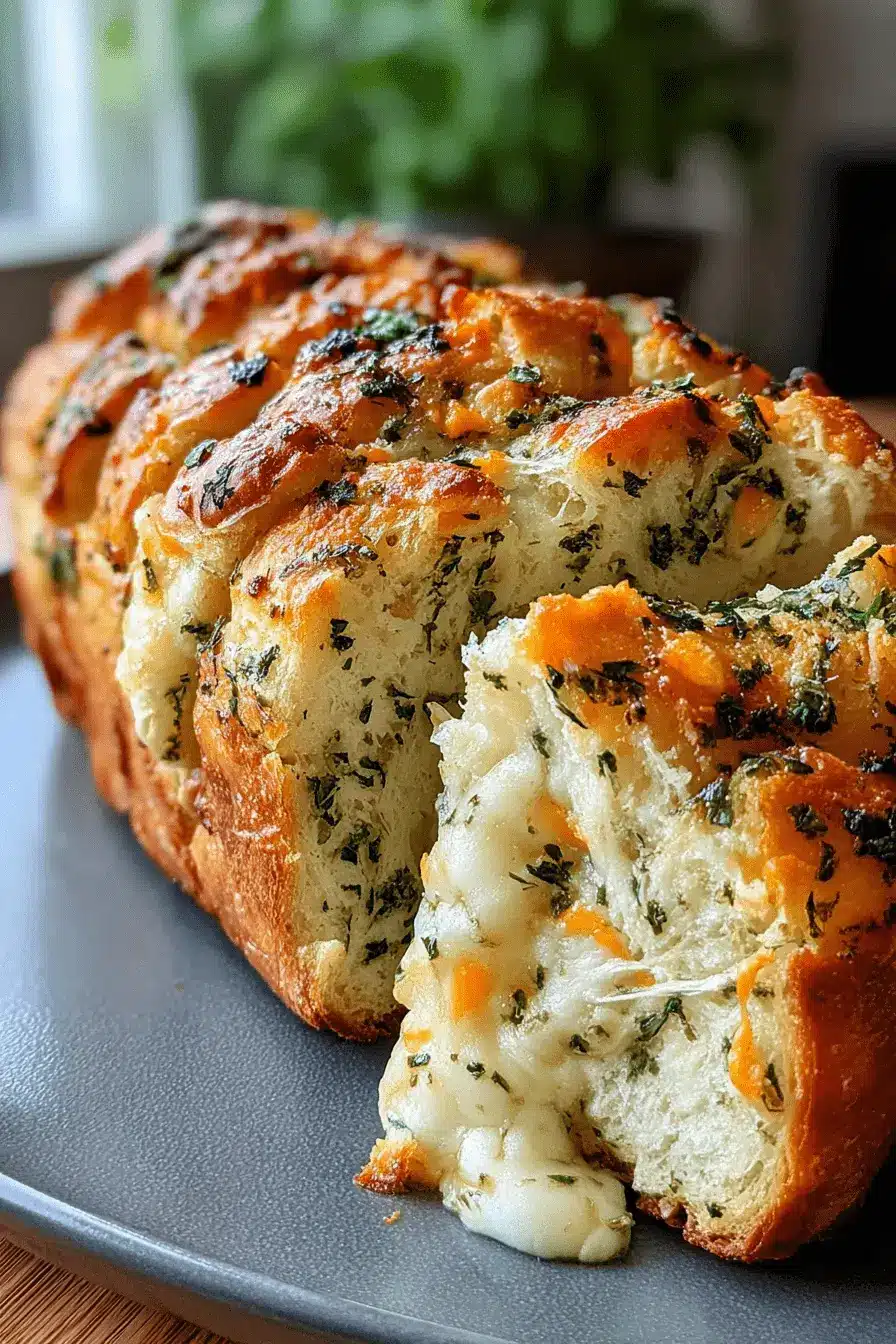
Italian Herbs and Cheese Bread
Ingredients
Equipment
Method
- In a stand mixer bowl, whisk together the yeast and warm water. Then, whisk in the sugar, oil, salt, eggs, and the optional mashed potato flakes.
- Add the bread flour and knead the dough on low speed for 6 minutes, then allow it to rest for 10 minutes.
- Transfer the rested dough to a floured surface, divide it into 8 equal pieces, and gently pat and roll each piece into a 12-inch log.
- Lightly spray the tops of the formed bread logs with water.
- Dredge each bread log into your preferred Italian Herb Blend, ensuring even coating.
- Place the dredged rolls onto Silicone Sub Roll Mats and make 3-4 slashes across the tops of each.
- Allow the dough to rise in a warm place until it has tripled in size, which may take up to 1 hour.
- Sprinkle the tops with shredded Colby and Monterey Jack Cheese, then bake at 375°F for 15-18 minutes. Cool the rolls in their molds before removing.