
Welcome to my kitchen! If you’re here, you’re probably craving something a little magical for breakfast. Maybe you’ve seen those wobbly, towering pancakes on social media and thought, “I could never make those.”
I used to feel the exact same way. When I first moved to the U.S., familiar comfort foods kept me grounded, but I also loved trying new things. These fluffy Japanese soufflé pancakes seemed intimidating at first, like a fancy chef’s secret I wasn’t privy to.
But here is the good news: you don’t need to be a professional pastry chef to pull this off. I’m going to walk you through this process just like I would a close friend standing right next to me. We are going to take the stress out of it and focus on the joy of making something truly special.
What Makes Fluffy Japanese Soufflé Pancakes So Special?
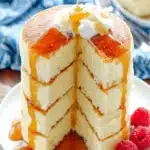
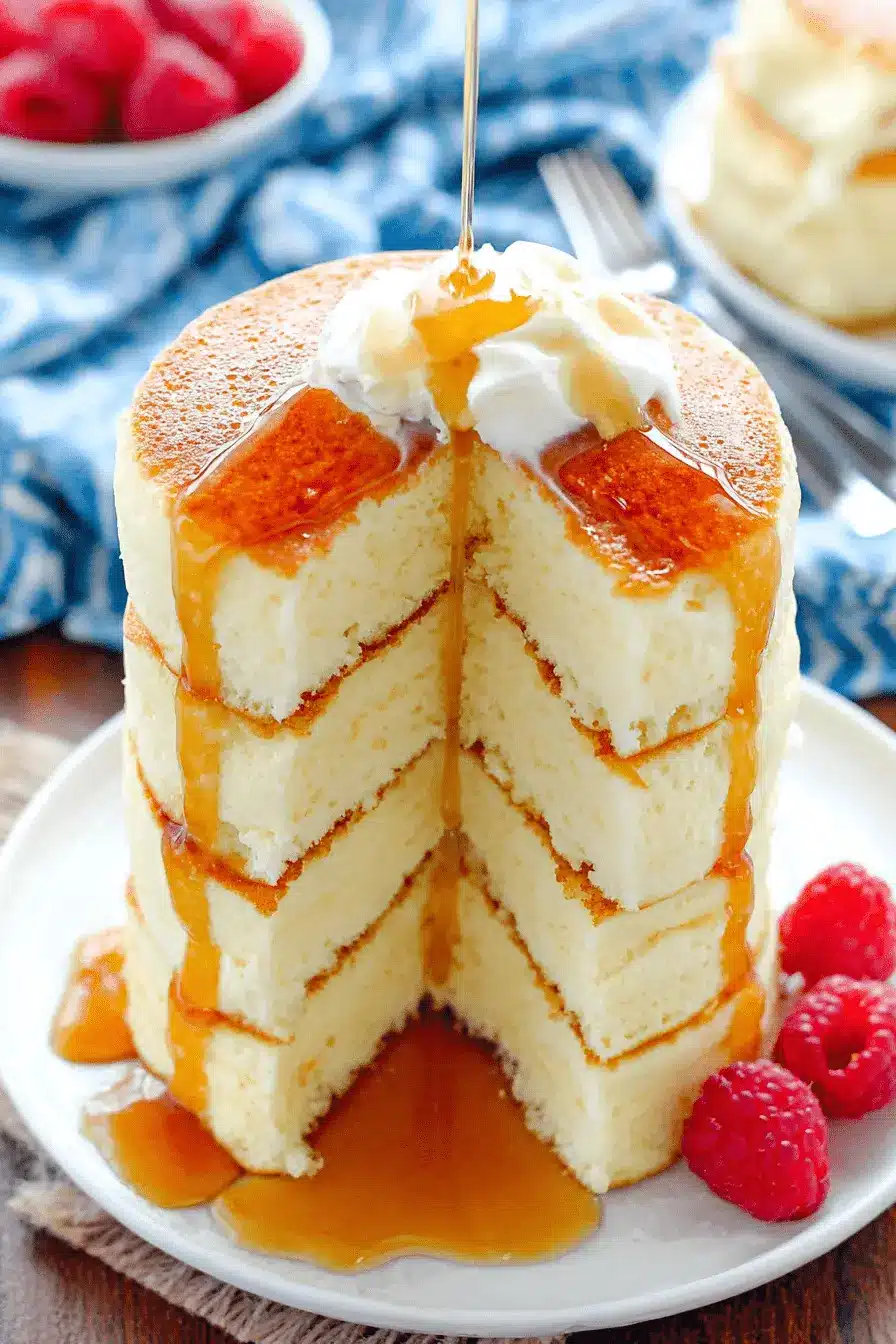
If you have never eaten a Japanese soufflé pancake, you are in for a treat that changes the way you view breakfast. Unlike traditional American pancakes, which are dense and bread-like, these are light, airy, and cloud-like.
The texture is melt-in-your-mouth soft, almost like eating a warm marshmallow or a delicate sponge cake. They have a signature “jiggle” when you shake the plate, which is just delightful to watch.
They turn a standard weekend breakfast into an event. Whether you are cooking for a partner, your kids, or just treating yourself after a long week, this recipe brings a sense of occasion to the table. And trust me, getting that perfect rise feels like such a huge victory.
The Science Behind the Fluff: Key Ingredients for Perfect Fluffy Japanese Soufflé Pancakes
You might wonder why we need to be so specific with ingredients for fluffy Japanese soufflé pancakes. It basically comes down to physics and chemistry, but I promise we’ll keep it simple!
The structure comes entirely from the egg whites. When we whip them into a meringue, we are trapping air bubbles inside. The acid and cold temperature help stabilize these bubbles so they don’t pop before cooking.
The egg yolks provide richness and flavor, while the cake flour gives us a tender crumb rather than a chewy one. Baking powder gives that extra little lift. The sugar isn’t just for sweetness; it actually helps hold the meringue structure together so your pancakes stand tall.
Ingredients You’ll Need
Here is exactly what you need to get started. Please stick to these measurements for the best success!
- 2 large eggs (50 g each w/o shell)
- 1½ Tbsp whole milk
- ¼ tsp pure vanilla extract
- ¼ cup cake flour
- ½ tsp baking powder
- 2 Tbsp sugar
- 1 Tbsp neutral oil (for greasing the pan)
- 2 Tbsp water (for steaming)
- ½ cup heavy (whipping) cream
- 1½ Tbsp sugar (add more if you like it sweeter)
- 1 Tbsp confectioners’ sugar
- Fresh berries (strawberries, blueberries, etc.)
- Maple syrup
Step-by-Step Instructions: How to Make Fluffy Japanese Soufflé Pancakes
Follow these steps exactly as they are written. I’ve been there, and I know that following the process is the key to that perfect fluff.
- Gather all the ingredients. I highly encourage you to use metric measurements using a kitchen scale for this recipe. Click on the Metric button at the top of the recipe to convert the ingredient measurements to metric. You will also need a 12-inch nonstick frying pan (large enough to cook 3 pancakes at the same time) with a lid. It‘s also nice to have an infrared thermometer gun to check the temperature of the frying pan.
- I highly recommend to mix and cook only one batch of batter at a time, even if you double or triple the recipe. Otherwise, the batter will deflate if left to sit for too long. To make two or more servings, you will need multiple nonstick frying pans on the stove. Alternatively, you can use an electric or cast iron griddle with a lid.
- If you‘d like to serve the Fluffy Japanese Soufflé Pancakes with optional fresh whipped cream, make it now. First, prepare an ice bath: Put ice cubes and water in a large bowl and place a clean and dry medium bowl on top of the ice water. Add ½ cup heavy (whipping) cream and 1½ Tbsp sugar to the medium bowl to keep them cold.
- Whisk on high speed until medium to firm peaks form. The cream should not be runny but soft, fluffy, and firm instead. Keep the whipped cream chilled until you‘re ready to serve the pancakes.
- Separate 2 large eggs (50 g each w/o shell) into whites and yolks in two different bowls. Put the bowl with the egg whites in the freezer for 15 minutes. Why do we partially freeze the egg whites? Please read why in my post 2 Tips to Make Perfect Meringue (Egg Whites).
- In the meantime, add 1½ Tbsp whole milk and ¼ tsp pure vanilla extract to the egg yolks and whisk using a hand whisk until thick and frothy.
- Sift ¼ cup cake flour and ½ tsp baking powder into the bowl.
- Whisk to combine thoroughly; do not overmix. Set aside while you make the meringue.
- After 15 minutes, take out the bowl with the egg whites from the freezer. The egg whites should be half frozen. Now, start beating the egg whites with a hand mixer (you can also use a stand mixer or balloon whisk).
- When the egg whites turn frothy and opaque, gradually add in 2 Tbsp sugar, roughly one-third of it at a time. Then, increase the mixer speed to high (Speed 10) and beat vigorously until stiff peaks form (see the next step for how to check). It takes about 2 minutes of beating at high speed to reach stiff peaks. Tip: When using a stand mixer, I usually pause beating when the meringue is almost done. Take off the whisk attachment from the mixer and use it to hand-mix the looser egg whites near the bowl’s edge into the stiffer whites near the center until it’s all homogenous in texture. Then, put the whisk back on and continue beating.
- To check for stiff peaks, stop whisking and pull up your beaters or whisk. The meringue in the bowl or on the whisk should be firm enough to hold a peak, pointing straight up (or maybe folding over a little bit just at the very tips). By this time, the meringue should have a glossy texture, too. Tip: If you overbeat the meringue, it will become very stiff and grainy and won’t incorporate into the batter at all.
- Heat a large nonstick frying pan to 300ºF (150ºC) over the lowest heat. Brush with 1 Tbsp neutral oil and lightly remove any visible oil with a paper towel (otherwise the pancakes will have a spotty pattern). Keep the pan on low heat while you fold in the egg white meringue into the egg yolk mixture in the next step.
- Take one-third of the egg white meringue and add to the egg yolk mixture. Whisk together by hand (don’t worry too much about breaking air bubbles at this point).
- Next, take half of the remaining meringue and add to the egg yolk mixture. Using a hand whisk, gently fold them in without breaking the air bubbles in the egg whites. Why do we use a whisk instead of a silicone spatula? Please read my post 2 Tips to Make Perfect Meringue (Egg Whites).
- Now, transfer the egg yolk mixture back into the bowl with the remaining meringue. Very gently fold the two mixtures together, taking care not to deflate the air bubbles in the meringue and batter as you fold. Mix the batter very gently until well combined and homogenous.
- Keep your nonstick frying pan heated to 300ºF (150ºC) at all times over low heat. Remember, each pancake gets roughly four small scoops of batter, and you will be making three pancakes. For the first pancake, place one scoop of batter and make a tall mound in the frying pan, using a small ladle or a serving spoon (that’s bigger than a regular spoon—probably 2–3 Tbsp). Next, stack one more scoop of batter onto the first scoop already in the pan. Repeat for the next two pancakes, giving each pancake two scoops of batter.
- By the time all three pancakes have two scoops, the surface of the batter is slightly dry already. At this point, you can mound one more scoop on top of each pancake, keeping the batter piled up high. In the bowl, you should still have roughly three scoops left (if you have slightly more, that’s okay).
- Set the timer for 6–7 minutes and add 1 Tbsp of the 2 Tbsp water in three empty spaces inside the pan. Cover with a lid. The steam from the water keeps the pancakes moist while they cook. Please note: The suggested time is just a guideline; how long you will cook the pancakes is based on the temperature of your frying pan.
- After 2 minutes have passed, open the lid, and add one final scoop of batter to each pancake (or more scoops if you have more batter). Make sure to stack the batter high, not wide. If the water has evaporated, add a little bit more. Cover with the lid and cook.
- After 6–7 minutes have passed, lift the pancake VERY GENTLY using an offset spatula. If the pancake is stuck, don’t touch it until it firms up a little. If you force it, the pancake will crack in the middle. When the pancake is ready, you can easily move the pancake. Repeat for the other pancakes.
- Here is another set of images to show the process. Slightly pull the pancake to create an empty space and gently flip it over with a “rolling over” motion.
- Add another 1 Tbsp water to the empty spaces in the pan and cover. Set the timer for 4–5 minutes to cook the other side on the lowest heat setting.
- Once they are nicely browned, transfer the pancakes to your serving plates.
- Place the optional fresh whipped cream on the pancakes and top with fresh berries. Dust your Fluffy Japanese Soufflé Pancakes with 1 Tbsp confectioners’ sugar and drizzle with maple syrup. Enjoy!
- For the fluffiest texture, I recommend making these soufflé pancakes just before serving. If you have leftovers, transfer them to an airtight container and store in the refrigerator for up to 2 days.
Pro Tips for Achieving the Ultimate Fluffy Japanese Soufflé Pancakes
I want you to feel totally confident when you crack those eggs. These tips are the little encouraging whispers I’d give you if I were standing in your kitchen.
Meringue Mastery: Your Secret to Sky-High Pancakes
The meringue is the heartbeat of this recipe. This is why we put the egg whites in the freezer for 15 minutes—cold whites form a finer, more stable structure. When you beat them, you are looking for peaks that stand straight up when you lift the beaters.
If the peak flops over immediately, keep beating. If it looks chunky or like Styrofoam, you have gone too far (overbeaten). You want that sweet spot: stiff, glossy, and smooth.
Gentle Folding Technique: Preserving the Air for Fluffy Pancakes
Once you have that beautiful cloud-like meringue, you have to protect it. When combining it with the yolk mixture, treat it like a fragile bubble. I use a whisk for folding because the wires help cut through the mixture without pressing the air out like a spatula sometimes does.
You are not stirring; you are folding. Go under the batter, up, and over. Stop the second you don’t see streaks of white.
Pan Temperature Control: The Key to Evenly Cooked Soufflé Pancakes
If your pan is too hot, the bottoms will burn before the middle is cooked. If it’s too cool, they will deflate before they set. This is why 300ºF (150ºC) is our golden number.
On many stoves, “low” varies. If you don’t have an infrared thermometer, test a tiny dollop of batter. It should sizzle very gently, not aggressively. The goal is slow, gentle heat.
Stacking and Flipping Perfection: Keeping Your Fluffy Japanese Soufflé Pancakes Tall
Here is the trick to height: build up, not out. When you add the scoops of batter, place them directly on top of the previous scoop to create a tower. Don’t let it spread too much.
When it’s time to flip, don’t just whack it over like a burger. Use a “rolling” motion. Gently lift the side and let the pancake roll over onto its uncooked side. It takes patience, but it keeps them round and tall.
The “Jiggle Factor” Explained
That famous jiggle comes from the air bubbles trapped in the meringue and the steam created during cooking. The steam expands the bubbles, and the proteins set around them. If you fold gently and cook with the lid on to trap moisture, you will get that wobble!
Can I Prepare Any Components for My Soufflé Pancakes Ahead of Time?
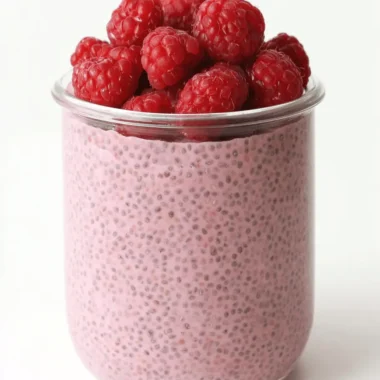
I know how busy mornings can be. You can absolutely measure out your flour, sugar, milk, and prepare whipped cream the night before, or for those busy mornings when you need a quick and delicious breakfast, consider alternatives like chia pudding. However, you cannot make the batter ahead of time. Once the meringue meets the yolks, the clock starts ticking. You must cook them immediately, or they will lose their lift.
Batch Cooking & Scaling for More Servings of Fluffy Pancakes
This is the hardest part for families: you really must mix and cook one batch at a time. If you double the recipe and let half the batter sit while the first batch cooks, the second batch will be flat.
To feed a crowd, I use two skillets simultaneously. If that’s too stressful, just keep the cooked ones on a warm plate (covered loosely with foil) while you whip up the next freshly mixed batch.
Time-Saving Tips for Busy Cooks
To save time, have your “mise en place” (ingredients prep) ready before you even turn on the stove. Pre-measure everything into small bowls. Clear your workspace so you aren’t hunting for a spatula while your pan overheats. Organized cooking is fast cooking! For even more efficient cooking methods, exploring different kitchen appliances can be a game-changer.
Troubleshooting Your Fluffy Japanese Soufflé Pancakes: Common Issues & Fixes
Don’t worry if your first batch isn’t Instagram-perfect. Even I have kitchen fails! Here is how to fix common hiccups.
My Meringue Isn’t Stiff Enough or Became Grainy!
If it’s not stiff, you might have gotten a speck of yolk in the whites, or your bowl wasn’t clean (grease kills meringue). If it’s grainy, you beat it too long. Watch the whites closely; once they are glossy and point straight up, stop immediately.
My Fluffy Japanese Soufflé Pancakes Deflated!
Deflation usually happens for two reasons: over-mixing the batter (popping the bubbles) or taking them off the heat too soon. They need structure to hold up that height. Also, be super gentle when flipping; rough handling knocks the air out.
Pancakes are Raw Inside or Burnt Outside
This is a heat management issue. If they are burnt but raw, your pan is too hot. Lower the flame. Remember to use the water fro steaming—the lid traps that steam to cook the center gently without burning the bottom.
My Fluffy Japanese Soufflé Pancakes Taste Eggy
Since these are mostly eggs, a slight egg flavor is normal. However, if it’s overpowering, it usually means they are slightly undercooked. The vanilla extract is also crucial here—don’t skip it, as it masks the sulfurous aroma of the eggs.
How to Clean the Pan Effectively Between Batches?
If you are risking a second batch, wipe the pan with a paper towel held by tongs. Be careful not to burn yourself! You want to remove any old butter or crumbs that will burn, but you don’t want to cool the pan down completely by washing it with water.
Customizing Your Fluffy Japanese Soufflé Pancakes: Substitutions & Variations
I love these pancakes because they are a blank canvas. Here is how you can tweak them to fit your pantry or diet.
Ingredient Substitutions Table
| Original Ingredient | Substitution/Note |
|---|---|
| Cake Flour | Use All-Purpose Flour minus 1 tsp, then add 1 tsp cornstarch. Sift together well! |
| Whole Milk | Soy milk, almond milk, or oat milk work well. The taste might vary slightly. |
| Gluten-Free | Use a high-quality 1:1 Gluten-Free baking flour blend. The texture may be slightly less lofty. |
Flavor & Topping Variations
- Matcha: Add 1 tsp of good quality matcha powder to the flour mixture for a green tea version.
- Chocolate: Drizzle with a rich chocolate sauce recipe instead of maple syrup.
- Savory Twist: Omit the vanilla and sugar, and serve with crispy bacon and a soft-boiled egg (untraditional, but delicious!).
- Seasonal: In the fall, add a pinch of cinnamon or pumpkin spice to the flour.
Serving and Storage Tips for Your Fluffy Japanese Soufflé Pancakes
These pancakes wait for no one! Serve them immediately while they are warm and at their tallest. As they cool, they will naturally deflate a little—that is just gravity working.
If you do have leftovers (which is rare in my house!), store them in an airtight container in the fridge for up to 2 days. Reheat them very gently in a microwave for 20-30 seconds. They won’t be as fluffy as fresh, but they still taste amazing.
Frequently Asked Questions (FAQs) About Fluffy Japanese Soufflé Pancakes
Can I use an electric griddle instead of a stovetop pan?
Yes, you can! Just make sure it has a lid deep enough to cover the tall pancakes without touching them. The consistent heat of an electric griddle is actually very helpful.
Do I need special molds or rings to make fluffy Japanese soufflé pancakes?
No, you don’t! This recipe relies on the stiffness of the meringue and the “stacking” technique to get height. Molds can sometimes make flipping harder.
Where can I find specific Japanese ingredients if I want to explore more authentic flavors?
If you want to add matcha or kuromitsu (black sugar syrup), check your local Asian grocery store or look online. The quality really makes a difference.
How does humidity affect making fluffy Japanese soufflé pancakes?
High humidity can make it harder for meringue to hold its structure. On very rainy days, you might need to beat the whites just a few seconds longer.
What’s the best type of nonstick pan to use?
A heavy-bottomed nonstick pan is best because it distributes heat evenly. Thin pans tend to have “hot spots” that can burn the delicate batter.
Dive Deeper into Delicious Desserts with Aisha!
If you enjoyed finding your confidence with these pancakes, I have so many other simple wins for you to try!
- Start your next busy weeknight with my Easy Air Fryer Chicken, perfect for when you need protein fast.
- Looking for another sweet treat? Try my Simple Yogurt Cake—it’s foolproof.
- Need to spice up a simple meal? My guide to Homemade Sauces will transform your dinner table.
Conclusion
I hope you feel ready to tackle these Fluffy Japanese Soufflé Pancakes! I know it can feel like a lot of steps, but remember: cooking is about the journey, not just the destination. Even if they aren’t perfect towers the first time, they will still be delicious, warm, and made with love.
You are capable of creating magic in your kitchen, even on a busy schedule. I would absolutely love to see your creations. Please maximize that “jiggle,” take a photo, and tag me on social media with #AishaRecipesFluffyPancakes. Or, drop a comment below and let me know how it went—I’m here to cheer you on! Keep it simple, and happy cooking!
Fluffy Japanese Soufflé Pancakes
Ingredients
Equipment
Method
- Gather all necessary ingredients and equipment, including a kitchen scale and a 12-inch nonstick frying pan with a lid.
- Prepare the optional fresh whipped cream by whisking heavy cream and sugar in a chilled bowl until medium to firm peaks form; keep it refrigerated.
- Separate egg whites and yolks, placing egg whites in the freezer for 15 minutes to partially freeze them.
- While egg whites chill, whisk whole milk and vanilla extract into the egg yolks until frothy.
- Sift cake flour and baking powder into the egg yolk mixture, then whisk until just combined; set aside.
- Remove the partially frozen egg whites from the freezer and begin beating them with a hand mixer.
- Gradually add 2 Tbsp sugar to the frothy egg whites, then beat on high speed until stiff, glossy peaks form.
- Heat a nonstick frying pan to 300°F (150°C) on low heat, then brush with neutral oil and wipe excess.
- Fold one-third of the meringue into the egg yolk mixture, then gently fold in half of the remaining meringue.
- Transfer the egg yolk mixture back into the bowl with the last third of meringue and gently fold until just combined and homogenous.
- Spoon two scoops of batter onto the heated pan for each of three pancakes, then add a third scoop to each as the surface dries slightly.
- Add 1 Tbsp water to empty spaces in the pan, cover, and cook for 6-7 minutes to create steam.
- After 2 minutes, add a final scoop of batter to each pancake, then cover and continue cooking until 6-7 minutes total.
- Gently lift and flip the pancakes with an offset spatula once they can be easily moved, avoiding cracking.
- Add another 1 Tbsp water to the pan, cover, and cook the second side for 4-5 minutes on low heat until nicely browned.
- Transfer pancakes to serving plates and garnish with whipped cream, fresh berries, confectioners’ sugar, and maple syrup; serve immediately for the best texture.