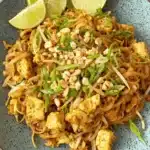

Hey there, I am so glad you stopped by my kitchen today! If you are juggling a busy week and wondering what to cook for dinner, I have the perfect solution for you. Making a restaurant-quality chicken pad thai recipe at home is completely within your reach, and it is much easier than you might think. You only need about 30 minutes to bring this comforting, deeply flavorful dish to your table, completely stress-free.
Why This Chicken Pad Thai Recipe is Your New Go-To
I absolutely love how this dish transforms a regular Tuesday night into something special. Here is why you will want to keep this recipe on heavy rotation:
- It beats standing in line for takeout: You can whip up this sizzling pan of noodles faster than a delivery driver can reach your front porch.
- It demystifies complex flavors: I have broken down the traditional sweet, sour, and savory balance into simple, intuitive steps that anyone can follow.
- It uses accessible ingredients: There is no need to hunt down complicated specialty items when you want an authentic, comforting dinner right now.
- It guarantees restaurant-quality results: You will get those perfectly cooked noodles and that signature glossy sauce every single time, giving you a huge confidence boost in the kitchen.
The Secret to Authentic Chicken Pad Thai: Understanding the Dish
When I first moved to the U.S., I deeply craved those perfectly balanced noodle dishes from my favorite Asian restaurants. The true magic of Pad Thai lies in its incredible harmony of four distinct flavor profiles. You have the sweetness of the sugar, the sour tang of the tamarind, the salty depth of the fish sauce, and the savory goodness of the chicken and egg. It is a stunning combination that warms you up after a long day.
Traditionally, this famous street food relies heavily on shrimp or tofu. However, chicken variations have become incredibly popular because chicken is universally loved and delightfully easy to prep. The mild flavor of the chicken breast or thigh acts like a beautiful blank canvas, soaking up every drop of that heavenly sweet and sour sauce. Mastering this dish is all about respecting that balance while keeping the process joyful and uncomplicated.
Essential Ingredients for Your Best Chicken Pad Thai
Building a great sauce is like building a great friendship; it takes the right mix of elements to make it shine. The star of your pantry for this dish is tamarind puree, which provides that essential, fruity tartness. When you are shopping, look for pureed tamarind in a jar rather than the ultra-thick, sticky concentrates (I highly suggest snapping a quick photo of your jarred tamarind next to a block version for your own kitchen reference!). Next, you need a high-quality fish sauce for that unmistakable savory saltiness, and I love ordering a premium brand online if my local store lacks variety [insert affiliate link opportunity for premium fish sauce].
For sweetness, palm sugar is traditional, but brown sugar works perfectly and is what I use to keep things incredibly accessible. You will also want to grab rice noodles, specifically the medium-width dried sticks. I always recommend taking a reference photo of the different rice noodle widths at the grocery store to help you easily locate them next time. Every ingredient works together quickly, so having them ready turns mealtime into a simple victory.
Your Shopping List for Chicken Pad Thai
Here is everything you need from your pantry and fridge. I promise there is nothing intimidating here!
- 125 g / 4oz Chang’s Pad Thai dried rice sticks (Note 1)
- 1 1/2 tbsp tamarind puree, NOT concentrate (Note 2)
- 3 tbsp (packed) brown sugar
- 2 tbsp fish sauce (Note 3)
- 1 1/2 tbsp oyster sauce (Note 4)
- 2 – 3 tbsp vegetable or canola oil
- 1/2 onion, sliced (brown, yellow)
- 2 garlic cloves, finely chopped
- 150 g/5oz chicken breast (or thigh), thinly sliced
- 2 eggs, lightly whisked
- 1 1/2 cups of beansprouts
- 1/2 cup firm tofu, cut into 3cm / 1 1/4″ batons (see photo)
- 1/4 cup garlic chives, cut into 3cm / 1 1/4″ pieces
- 1/4 cup finely chopped peanuts
- Lime wedges (essential)
- Ground chilli or cayenne pepper (optional)
- More beansprouts
Gear Up! Equipment for Making Chicken Pad Thai
You do not need an entire restaurant kitchen to create amazing food, just a few reliable pieces of gear. A classic carbon steel wok is fantastic because its sloped sides allow you to push ingredients out of the direct heat zone. If you are picking one up, a 14-inch wok is the perfect size for home stoves [insert affiliate link opportunity for carbon steel wok]. However, a large, well-seasoned non-stick skillet works just as beautifully, especially if you have an electric or induction stovetop. A 12-inch skillet gives you plenty of surface area to get a good sear on your chicken without crowding the pan.
For your tools, a sturdy wooden spoon or a specialized silicone spatula is highly recommended to keep everything moving [insert affiliate link opportunity for high-heat spatula]. Heat management is key here, so make sure your pan design allows you to handle high temperatures safely. I used to be terrified of high-heat cooking, but a pan with a long, heat-proof handle gave me the complete confidence to stir-fry like a pro.
How to Make My Easy Chicken Pad Thai Recipe: Step-by-Step Guide
Cooking should never feel like a chore, so I have broken down the entire process into simple, manageable phases. I highly recommend snapping a few process photos on your phone as you go, because it is incredibly rewarding to look back and see the beautiful meal you created from scratch!
1. Perfectly Prepping Your Pad Thai Noodles
First, place your noodles in a large bowl and pour over plenty of boiling water. Soak them for exactly 5 minutes, then drain them in a colander and quickly rinse under cold water. It is absolutely crucial that you do not leave them sitting around for more than 5 to 10 minutes.
Fresh noodles are soft right out of the package, but dry rice sticks are brittle and require this precise soaking method to reach the perfect, pliable texture. When hydrated correctly, they should bend around your finger easily but still have a firm, white core inside. If you notice your noodles becoming entirely too stiff while they sit, just give them a quick massage with a few drops of vegetable oil to wake them back up!
2. Crafting the Signature Pad Thai Sauce
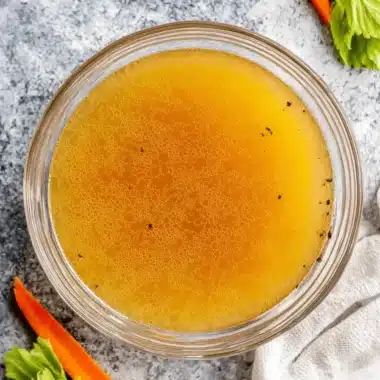
Next, simply mix the Sauce in a small bowl. This humble little bowl holds the entire soul of this dish! The 1 1/2 tablespoons of tamarind puree provides the deep, fruity tang that makes this recipe famous.
You will balance that beautiful tartness with 3 tablespoons of packed brown sugar and 2 tablespoons of high-quality fish sauce. Add in the 1 1/2 tablespoons of oyster sauce to bring a gorgeous, savory umami note that coats every single noodle perfectly. Whisking it all together ahead of time saves you from frantically rushing through your pantry while your pan is smoking hot.
3. Mastering the Stir-Fry Technique
Now, heat 2 tablespoons of oil in a large non stick pan, or a well seasoned skillet, over high heat. Add your finely chopped garlic and the sliced onion, and cook for just 30 seconds until they release their incredible aroma. Next, add your thinly sliced chicken and cook for 1 1/2 minutes until it is mostly cooked through and developing a wonderful texture.
Push the chicken and onions to one side of the pan, and pour your lightly whisked eggs into the empty space on the other side. Scramble the eggs using your wooden spoon, making sure to add a touch of extra oil if your pan is too dry, and then mix everything together with the chicken. High-heat cooking can feel intimidating, but just keep a steady, confident tossing motion going to prevent anything from sticking.
4. Bringing It All Together: The Grand Finale
Add your 1 1/2 cups of bean sprouts, the firm tofu batons, your prepped noodles, and finally, that wonderful Sauce. Toss gently for about 1 1/2 minutes until the Sauce is completely absorbed by the noodles. It is all about lifting and folding gently to ensure the sweet and savory sauce evenly coats everything without breaking your beautiful noodles.
Next, add your garlic chives and half of the finely chopped peanuts. Toss them through quickly, then completely remove the pan from the heat. Serve the dish immediately, sprinkled generously with the remaining peanuts and lime wedges on the side. I love finishing my plate with a sprinkle of ground chilli and a handful of extra beansprouts on the side, just like the authentic Thai way!
Customizing Your Chicken Pad Thai: Substitutions & Variations
One of my absolute favorite things about cooking at home is making a recipe work perfectly for my specific pantry and preferences. Making this dish dairy-free is naturally guaranteed by the wholesome ingredients, but you can effortlessly make it nut-free by swapping the peanuts for toasted sesame seeds. If you need a lower-sodium option, cut the fish sauce by half and add an extra generous squeeze of fresh lime juice to brighten the final plate. Below is a handy guide I put together for super easy ingredient swaps!
| Ingredient/Component | Substitution/Variation Idea |
|---|---|
| Chicken Breast/Thigh | Shrimp, firm tofu (for vegetarian), beef, pork, mixed vegetables |
| Tamarind Paste | Ketchup (less authentic, but a common substitute in a pinch), lime juice + brown sugar |
| Fish Sauce | Light soy sauce (for vegetarian/vegan version, adjust saltiness) |
| Oyster Sauce | Vegetarian oyster sauce, mushroom soy sauce |
| Dried Rice Sticks | Fresh rice noodles (requires different soaking/prep) |
| Garlic Chives | Green onions (sliced) |
| Firm Tofu | Omit if preferred, or use crispy fried tofu |
| Brown Sugar | Palm sugar (for more authentic flavor), white sugar (adjust quantity) |
Expert Tips for the Best Chicken Pad Thai Recipe Every Time
Over the years, I have learned a few kitchen secrets that guarantee my noodles turn out perfectly glossy instead of becoming a clumpy mess. The absolute biggest trick to prevent sticky noodles is following my strict 5-minute soaking rule and never letting them sit in the hot water too long. If you taste your final dish and feel the flavors are slightly off balance, do not panic! You can easily fix it right there in the warm pan.
If your sauce feels too sweet, squeeze a little extra lime juice over the top to cut the sugar. If it tastes somewhat flat, an extra splash of fish sauce will immediately elevate those beautiful savory notes. If your sauce accidentally reduces too fast and gets too thick, just add a quick splash of warm water and gently toss the noodles again. For easy meal prep, I love chopping my aromatics, slicing my chicken, and mixing the sauce the night before, meaning dinner comes together in a flash the next day.
Storing and Reheating Your Chicken Pad Thai
If you happen to have leftovers, they will keep beautifully in the fridge for up to three days. I recommend storing the noodles in an airtight glass container to keep them from drying out in the cold air. To reheat, the microwave is surprisingly your very best friend here.
Place your leftover noodles in a microwave-safe bowl with a tiny splash of water to steam them back to life. Cover the bowl loosely with a damp paper towel and heat on medium power in one-minute bursts, pausing to stir gently. This careful reheating method ensures your chicken stays tender and your noodles regain that freshly cooked, springy texture I adore.
What to Serve with Chicken Pad Thai
This meal is incredibly filling on its own, but I always love adding a few fresh sides to complete the dinner table experience. A crisp green papaya salad is my absolute top recommendation because its bright, acidic bite perfectly cuts through the rich, savory coating of the soft noodles. I also love throwing together a quick cucumber salad tossed in a bit of sweet rice vinegar. You could serve some crispy spring rolls on the side for a wonderful satisfying crunch. Simple steamed bok choy dressed with a single drop of sesame oil also makes a wonderful, healthy accompaniment that respects the complex flavor of your main dish.
Frequently Asked Questions About Chicken Pad Thai
Where can I find tamarind puree?
You can usually spot tamarind puree in the Asian aisle of most major grocery stores, or at a local Asian market. If you strike out locally, ordering a jar online is perfectly fine and ensures you achieve the authentic tang this recipe needs.
Can I make this recipe completely vegetarian?
Yes, absolutely! Just swap the chicken for extra firm tofu or a hearty, colorful mix of broccoli and bell peppers. You will also need to replace the fish sauce with light soy sauce and use a vegetarian mushroom oyster sauce to keep the savory umami intact.
Why did my noodles turn to mush?
Mushy noodles usually happen if they are soaked for more than five minutes or boiled directly on the stove. Stick to the exact soaking instructions I provided above, and your noodles will consistently turn out wonderfully springy.
Conclusion
I really hope this chicken pad thai recipe shows you just how joyful and uncomplicated cooking your favorite comfort foods at home can be. Getting a beautiful, restaurant-quality dinner on the table in under 30 minutes is an amazing feeling, and I am so excited for you to experience that weekday win! Cooking is all about the little victories, and bringing this deeply flavorful dish to your own kitchen table is definitely one for the books.
If you try this dish, please leave a comment below to share your experience, or ask any lingering kitchen questions you might have! I also love seeing your delicious creations, so be sure to rate the recipe and tag your photos on social media using #AishaRecipes. If you want more incredibly easy, confidence-boosting dinners delivered right to your inbox, simply sign up for my weekly email newsletter. Keep it simple, keep it comforting, and I will see you in the kitchen again soon!
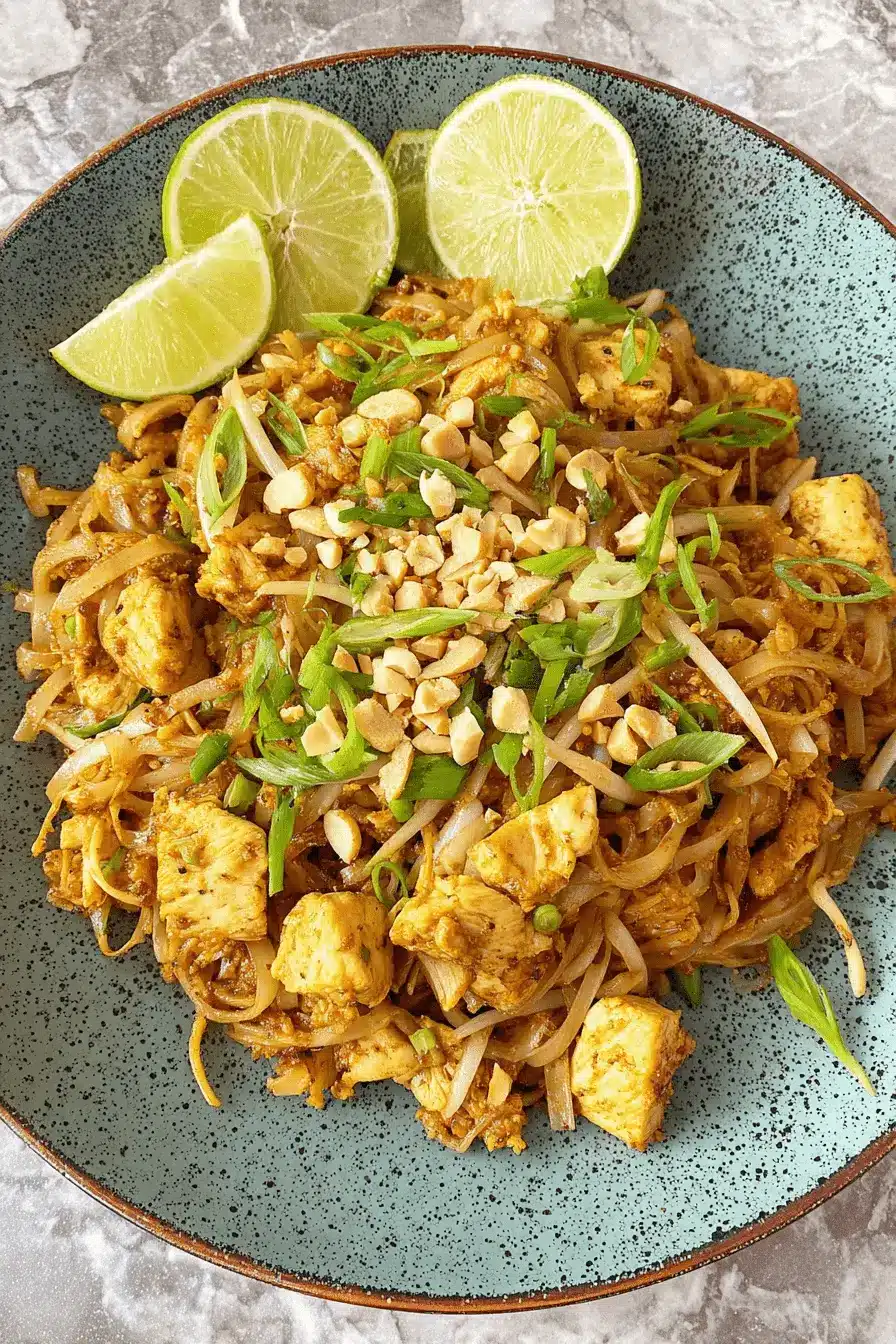
chicken pad thai recipe
Ingredients
Equipment
Method
- Soak rice noodles in boiling water for 5 minutes, then drain and rinse with cold water immediately.
- Combine all sauce ingredients in a small bowl.
- Heat 2 tablespoons of oil in a large non-stick pan over high heat, then sauté garlic and onion for 30 seconds.
- Add the thinly sliced chicken and cook for 1.5 minutes until mostly done.
- Move the chicken to one side, pour in the whisked eggs, scramble them, and then mix with the chicken.
- Stir in the beansprouts, tofu, soaked noodles, and the prepared sauce.
- Toss all ingredients gently for approximately 1.5 minutes until the sauce fully coats and is absorbed by the noodles.
- Add the garlic chives and half of the chopped peanuts, toss briefly, and remove from heat.
- Serve immediately, garnished with the remaining peanuts, lime wedges, and optional chili and extra beansprouts.