
I always thought making restaurant-quality chicken katsu at home would take hours of prep and leave my kitchen a disaster. I remember craving those crispy, golden cutlets when I first moved to the U.S., but as a busy adult juggling life, I just did not have the energy for complicated frying. Then, I discovered how surprisingly easy this chicken katsu recipe really is. It takes only about 25 to 30 minutes from start to finish. You get extra-crispy, perfectly juicy chicken without the stress, making it the ultimate quick and comforting dinner for any weeknight.
Why You’ll Love This Crispy Chicken Katsu Recipe
- Achieves ultimate crispiness with an easy proper panko coating technique that never fails.
- Guarantees deliciously juicy chicken every single time by ensuring it cooks evenly.
- Simplifies the traditional breading process by using a single wet batter bowl instead of messy flour steps.
- Delivers pure, restaurant-quality comfort food without leaving you exhausted at the end of a busy workday.
What Exactly Is Chicken Katsu?
If you are new to making meals like this, you might be wondering what a chicken katsu recipe actually entails. Katsu is a Japanese comfort food classic consisting of a meat cutlet that is delightfully breaded and fried to golden perfection. “Katsu” itself is a shortened form of “katsuretsu”, the Japanese transliteration of the English word “cutlet”.
It originated in Japan as a Western-style dish but quickly became a beloved culinary staple all on its own. It eventually found a massive, celebrated following in Hawaiian plate lunch culture. Today, it is practically synonymous with ultimate comfort food across the globe. I promise you will feel like a culinary genius when you serve this beautiful cutlet up in your own kitchen.
The Science of Crispy Chicken Katsu: Why Panko is King
I get asked all the time how my chicken katsu recipe turns out so unbelievably crunchy. The secret is entirely in the breadcrumbs. You absolutely must use Japanese panko breadcrumbs instead of regular Western-style breadcrumbs. Panko is processed entirely differently, resulting in large, airy, and irregular flakes rather than a fine powder.
This unique structure means panko absorbs significantly less oil during the rapid frying process. Regular breadcrumbs tend to pack densely together side by side, which traps oil and creates a heavy crust. Panko flakes stand up and crisp beautifully to give you that signature shatteringly crisp bite. Picture an infographic chart in your mind right now. On one side, you have dense, heavy regular crumbs soaking up greasy oil. On the other side, you see light, airy panko flakes staying miraculously dry and crispy!
Essential Ingredients for Your Perfect Chicken Katsu
Before I start cooking, I always make sure to have my ingredients ready to go on the counter. Here is exactly what you need for this simple, flavorful recipe.
Ingredients:
- 1 lb chicken thigh (boneless, skinless pounded to 1/2" thick)
- 2 eggs
- 3 tbsp all-purpose flour
- 1/2 tsp kosher salt
- 1/2 tsp black pepper
- 1 tsp garlic powder
- 2 cups panko breadcrumbs
- 2 quarts neutral oil (for frying)
My Quick Ingredient Tips:
- Chicken: I prefer boneless, skinless thighs because they are incredibly forgiving for beginners and stay deliciously juicy during frying.
- Panko Breadcrumbs: Check the Asian aisle of your local grocery store for authentic panko to get the absolute best crunch.
- Neutral Oil: You want an oil with a high smoke point and zero strong flavors, so grapeseed, vegetable, or canola oil will work perfectly here.
Mastering Your Dredging Station for Mess-Free Breading
Breaded chicken can sometimes create a messy kitchen, but a smart dredging station solves that problem. I like to set up my workspace in a very specific order to keep my counters clean and organized. First, I place my bowl of wet batter on the far left. Next, I put my wide, shallow dish of panko breadcrumbs right beside it in the middle. Finally, I have a clean plate or a wire rack ready on the far right to hold my breaded chicken.
Imagine a simple visual guide here showing convenient arrows moving from the raw chicken, to the wet batter bowl, into the panko dish, and finally resting on the holding rack. I highly recommend using one hand exclusively for the wet batter and your other hand solely for pressing the dry panko. This popular “wet hand, dry hand” method completely stops the breading from clumping onto your fingers. It keeps the breading process stress-free, fast, and remarkably tidy.
How to Make the Best Chicken Katsu at Home (Step-by-Step)
Instructions:
-
Pound chicken to 1/2" thickness and season both sides with salt and pepper.
I always wrap my chicken softly in a piece of plastic wrap or place it in a zip-top bag before pounding it. You can use a heavy meat mallet, a thick rolling pin, or even the heavy bottom of a skillet to gently flatten the meat out. Achieving an even 1/2-inch thickness is vital because it ensures the meat cooks at the exact same rate. This prevents the delicate edges from drying out while waiting for the thicker center to finish. Make sure you apply that salt and pepper directly to the raw meat right now, as seasoning early ensures the savory flavor penetrates the cutlet instead of just sitting blandly in the breading.
-
Mix together egg, flour, salt, pepper, and garlic powder to form a wet batter. The consistency should be slightly looser than pancake batter.
Getting this wet batter right is a total game changer for my weeknight cooking routine. You are looking for a smooth liquid that coats the back of a spoon but easily drips off into the bowl. If it feels a little too thick, simply add a tiny splash of cold water and whisk again. I love this wet batter method because it completely eliminates the need for a traditional separate flour dredge. It saves me time, reduces the amount of dishes I have to wash, and helps the panko stick much more securely for maximum crunch.
-
Dredge chicken completely in the egg mixture and let any excess drip off. Transfer chicken into panko breadcrumbs and coat well, making sure there are no bald spots.
Take a brief moment to lift the chicken out of the wet mixture and let gravity do its job. Leaving too much batter on the meat will create a thick gummy layer under the crust that ruins the delicate texture. Once you move it to the dry dish, pour a generous handful of panko over the top and press down firmly with your dry hand. You really want to pack those breadcrumbs in tightly to avoid any undesirable bald spots that will look unappealing after frying. For truly flawless results, I sometimes place the breaded chicken in the fridge for 15 to 30 minutes prior to frying to bind the coating securely.
-
In a large heavy bottom pot, heat the oil over medium high heat to 350F. Fry at 350°F for 4-6 minutes or until the chicken reaches 165°F. Set aside on a wire rack to cool. Serve with rice and mac salad and enjoy!
A heavy bottom pot is absolutely essential here because it regulates heat much better than a thin, flimsy pan. I strongly advise clipping an instant-read thermometer to the side of your pot so you can monitor the exact oil temperature constantly. At exactly 350°F, a small pinch of panko dropped into the pot should sizzle gently and float without smoking. Always fry in small batches rather than crowding the pan, as adding too much meat at once will drastically lower the oil temperature and lead to soggy katsu. Once pulling the chicken out, letting it rest on a wire rack allows hot air to circulate freely under the meat, keeping the bottom just as shatteringly crispy as the top.
Choosing the Best Oil & Mastering Frying Temperature for Your Chicken Katsu
The right frying oil makes an enormous difference when creating a flawless chicken katsu recipe. You need a neutral cooking oil for your pot, so canola, vegetable, or grapeseed oil are my top choices. These oils have surprisingly high smoke points, meaning they will not burn angrily or create a funky, bitter flavor at high cooking temperatures. They quietly let the pure, savory taste of the seasoned chicken and toasted panko shine through.
I cannot emphasize enough how incredibly important temperature control is for deep frying comfortably. A reliable kitchen thermometer is my absolute best tool and closest ally in the kitchen during this step. If your oil dips too far down, the breading will simply drink up the sitting grease and become a mushy mess. If the oil spikes too high, the outside will burn black far before the center is safe perfectly cooked. Keep a watchful eye on your thermometer display and tweak your stove dial up or down slightly to lock in that sweet spot of 350°F.
How to Tell When Your Chicken Katsu is Perfectly Cooked
Taking the uncomfortable guesswork out of cooking chicken brings me so much peace of mind on busy evenings. The absolute best way to know your katsu is perfectly cooked is by checking the internal temperature with a digital meat thermometer. The probe should reliably read exactly 165°F right in the thickest part of the cutlet.
You can definitely also rely on a few visual cues to gauge your progress as you cook. The crust should look deeply golden-brown and feel very firm and crunchy when gently tapped with a pair of metal tongs. When you confidently slice into the center, the meat should be completely opaque white with absolutely zero traces of pink. Still, I always trust my thermometer first to guarantee total table safety and ultimate juiciness.
Homemade Tonkatsu Sauce & Serving Suggestions
No crispy chicken katsu recipe is truly complete without a generous, rich drizzle of tangy sauce right on top. I always happily keep a bottle of store-bought Bulldog brand Tonkatsu sauce sitting in my pantry because it is incredibly delicious and superbly convenient. It easily offers the perfect bright balance of sweet fruitiness and savory umami that cuts right through the rich fried chicken.
If you strongly prefer making things from scratch, whipping up a homemade version takes only a quick minute stringing together simple pantry items. I just whisk together a little ketchup, Worcestershire sauce, soy sauce, and a tiny bit of mustard in a small bowl. It transforms an everyday dinner plate into something that feels deeply special and thoughtfully prepared.
Creative Ways to Serve Your Chicken Katsu
Simply serving your katsu with warm rice and creamy mac salad is an unbeatable, gorgeous classic. However, this crispy cutlet is incredibly versatile if you want to delightfully mix up your weeknight dinners.
Here are a few creative ways I absolutely love to serve it:
- Katsu Sando: I happily tuck a hot cutlet between two thick, soft slices of milk bread with shredded cabbage and extra sauce for the ultimate sandwich.
- Katsu Curry: I ladle a rich, savory Japanese curry over rice and lovingly place sliced crispy katsu right on top.
- Katsu Don: I humbly simmer the fried cutlet in a sweet soy broth with sliced onions, gently scramble an egg over it, and serve the whole comforting mixture in a warm rice bowl.
- Katsu Salad: I slice the crispy chicken and lay it beautifully over a bed of crisp greens topped with a zesty sesame ginger dressing.
You can also perfectly round out the meal by pairing it with quick, simple side dishes. A bright, fresh Japanese cucumber salad or a steaming, comforting bowl of miso soup adds such a satisfying harmony to the final plate.
Storing and Reheating Leftover Chicken Katsu
I truly rarely have leftovers when I make this, but knowing how to store them properly is vital for maintaining that precious crunch. Before confidently putting anything in the fridge, I always make sure the chicken has cooled completely down to room temperature. Then, I place the chilled cutlets in an airtight container lined smartly with a dry paper towel to aggressively absorb any lingering excess moisture.
When you are delightfully ready for round two, please resist the strong urge to use your microwave. Microwaving will unfortunately turn that beautiful panko crust into a soggy, somewhat rubbery disappointment. Instead, I quickly pop the cutlets into a toaster oven or regular oven baked at 375°F for about exactly 10 minutes. Using an air fryer is also fantastic; just gently heat the leftovers at 350°F for two or three short minutes, and they will taste incredibly fresh.
Common Chicken Katsu Pitfalls & Troubleshooting
Even experienced home cooks run into a few random hurdles, so do not feel deeply discouraged if things are not totally flawless on your first try. I have honestly ruined plenty of simple dinners in my day, but every minor mistake is just a great chance to learn! Here is a fairly quick guide I carefully created to help you gracefully troubleshoot some common issues.
| Problem | Cause | Solution |
|---|---|---|
| Soggy Katsu | Oil not hot enough; overcrowding the pan; not draining on a wire rack. | Ensure oil is 350°F. Fry in batches. Drain immediately on a wire rack. |
| Breading Falling Off | Chicken not patted dry; improper dredging; not chilling before frying. | Pat chicken very dry. Ensure full, even coating. Chill breaded chicken for 15-30 mins. |
| Unevenly Cooked Chicken | Chicken not pounded to even thickness. | Pound chicken evenly to 1/2-inch thickness. |
| Burnt Breading/Undercooked | Oil too hot or too low. | Use a thermometer to maintain 350°F. Adjust heat as needed. |
| Bland Chicken Katsu | Not seasoning chicken directly. | Season chicken thoroughly with salt and pepper before breading. Consider a seasoned flour dredge. |
Chicken Katsu Variations: Beyond the Fryer
Sometimes I really want the deep comfort of katsu but deeply need a cooking method or protein that better fits my daily needs. Whether you eagerly want an easier cleanup or a delightful plant-based option, this recipe is wonderfully adaptable. I sincerely want you to feel incredibly confident actively exploring everything this wonderful dish has to offer.
| Variation | Method/Adjustment | Result/Benefit |
|---|---|---|
| Shallow-Fry Katsu | Use 1/2 inch oil in a large skillet. Flip halfway through. | Less oil usage, easier cleanup, still crispy. |
| Air Fryer Chicken Katsu | Lightly spray breaded chicken with oil. Air fry at 375°F (190°C) for 15-20 mins, flipping halfway. | Healthier, less oil, easy cleanup, still gets crispy. |
| Oven-Baked Chicken Katsu | Bake at 400°F (200°C) for 20-25 mins, flipping halfway, after lightly spraying with oil. | Healthiest option, less mess, good for larger batches. |
| Fish Katsu | Substitute chicken with firm white fish fillets (e.g., cod, tilapia). Adjust cooking time. | Delicious seafood alternative. |
| Vegetarian Katsu | Use thick-cut eggplant, firm tofu, or portobello mushrooms. Adjust cooking time accordingly. | Plant-based option. |
Frying Safety and Post-Frying Cleanup Tips
Dealing practically with hot oil used to heavily intimidate me, but a few simple habits make it completely safe and wonderfully easy to manage. I never ever step completely away from a pot of heating oil, not even for a few quick seconds. I also make a smart habit of keeping a large metal lid or a basic box of baking soda positioned right next to the stove. In the highly rare event of a sudden flare-up, I can swiftly cover the pot to instantly extinguish the flame safely.
Cleaning up afterward is the rough part we all typically dread, but I promise it tightly does not have to be a recurring nightmare. I always let the cooking oil cool down absolutely completely before attempting to safely discard it. Once it is remarkably cool, I carefully pour it into a disposable sealed container and toss it directly in the trash, as pouring oil down the sink will disastrously ruin your plumbing. Afterwards, I easily scrub out my heavy pot with hot tap water, a few tiny drops of dish soap, and a little coarse salt to gently lift away any stubborn, stuck-on bits.
Frequently Asked Questions About Chicken Katsu
I happily receive so many wonderful, thoughtful questions about making meals fundamentally easier, so I gathered a few of the absolute most common ones right here.
What kind of chicken is best for katsu?
I find boneless, skinless chicken thighs are definitively the absolute best choice for juiciness and forgiving flavor. However, pounded chicken breasts work beautifully too if you prefer a slightly leaner meat.
Can I use frozen chicken?
You absolutely can, provided you carefully thaw it completely in the refrigerator beforehand. Attempting to fry partially frozen meat will dangerously drop your oil temperature rapidly and sadly result in a raw, unsafe center.
How do I prevent the oil from splattering?
Pesky moisture is the natural enemy of hot cooking oil, so dry your kitchen utensils thoroughly before using them. Also, purposefully use a long pair of tongs to gently lower your breaded chicken into the pot, tilting it away from your body to cleanly protect yourself from any minor splashes.
Can I make katsu ahead of time?
You can definitely bread the chicken several long hours in advance and safely leave it uncovered resting in the fridge. I highly prefer to fry it right exactly before serving to meticulously maintain the perfect panko texture.
Is chicken katsu healthy?
Traditional deep-fried katsu is definitely a satisfyingly rich comfort food rather than a strict health food. If you are actively looking for somewhat lighter alternatives, I passionately recommend checking out the fun air fryer or oven-baked methods I detailed in the variations table above!
Conclusion
I truly hope this chicken katsu recipe smoothly brings as much genuine warmth and deep comfort to your dinner table as it frequently does to mine. Realizing you can easily whip up stunning restaurant-quality crispiness right at home is such an incredibly rewarding feeling. It joyfully proves that you do absolutely not need all day in the busy kitchen to create something genuinely spectacular.
I am so incredibly excited for you to beautifully give this a try and build a little extra lasting confidence in your daily cooking. Did you make the dish wonderfully, or do you have any lingering questions about the easy steps I shared? Please wonderfully drop a nice comment below and happily share a lovely photo of your golden, crispy homemade katsu! I absolutely love actively connecting with you all and joyfully seeing the comfort you find in the kitchen.
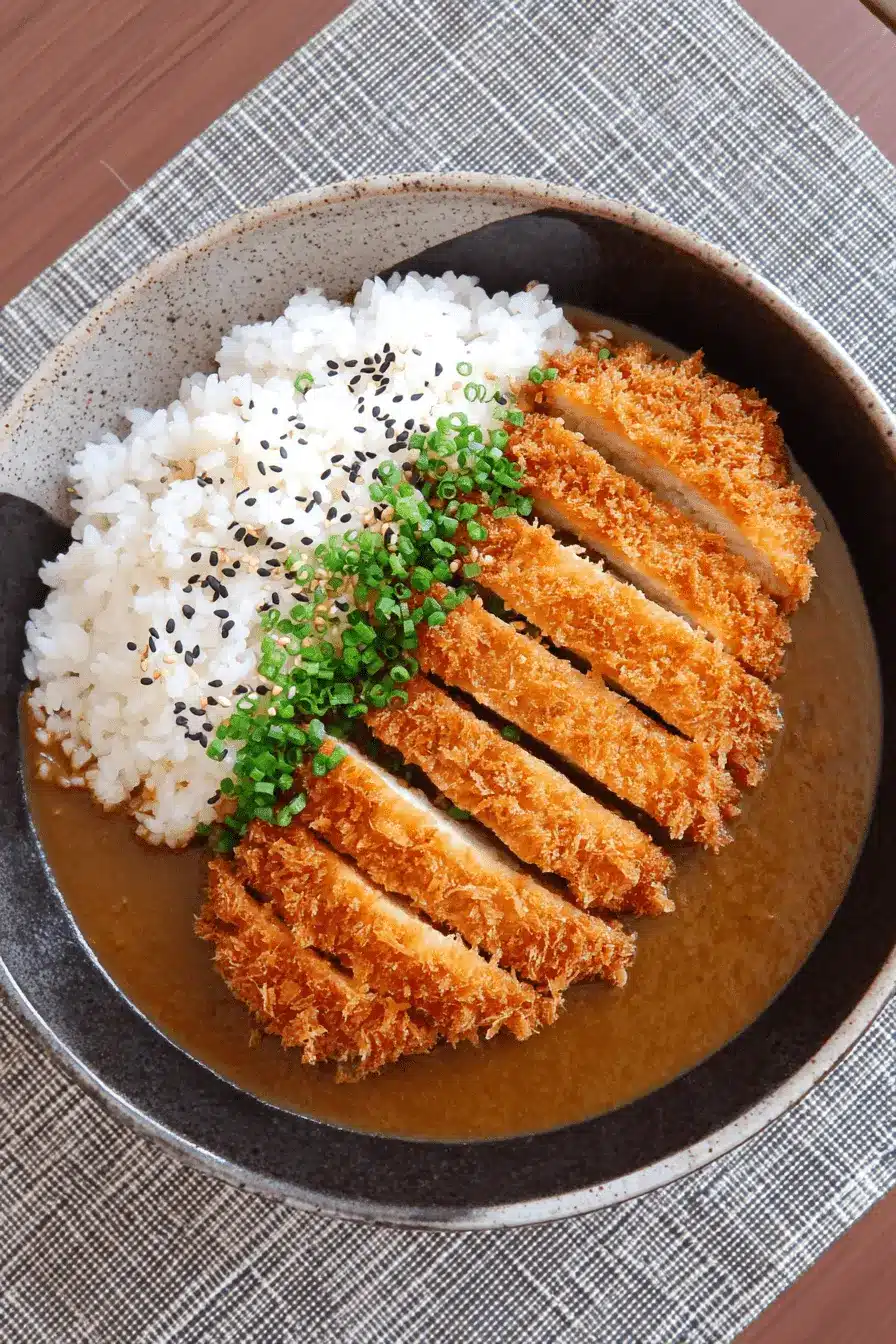
Chicken Katsu Recipe
Ingredients
Equipment
Method
- Pound the chicken thighs to 1/2-inch thickness and season both sides generously with salt and pepper.
- In a separate bowl, whisk together the eggs, flour, salt, pepper, and garlic powder to create a smooth, slightly loose batter.
- Dip each chicken piece into the egg batter, allowing excess to drip off, then transfer to the panko breadcrumbs and coat thoroughly, pressing gently to adhere.
- Heat oil in a heavy-bottomed pot to 350°F and fry the chicken for 4-6 minutes per side, or until golden brown and an internal temperature of 165°F is reached. Remove and let cool on a wire rack before serving.