
I remember when I first tried making Basque burnt cheesecake, the idea of a “burnt” dessert sounded a bit intimidating. But with just a handful of simple ingredients and a little patience, I was amazed by how creamy and comforting it turned out. This easy recipe has become my go-to when I want to treat myself and my family without stressing over complicated steps.
If you’re juggling busy days like me, finding a dessert that’s both impressive and stress-free is a win. The Basque burnt cheesecake is perfect for this, its unique golden, slightly “burnt” top hides a luscious, creamy interior that melts in your mouth. With about 15 minutes of prep and an hour to bake, plus cooling time, it’s surprisingly quick. This recipe proves that deliciousness and ease can go hand in hand when making a basque burnt cheesecake you’ll be proud of every time.
Table of Contents
What Makes This Basque Burnt Cheesecake Recipe Truly Unforgettable?
Here’s why I trust this recipe above others:
- Tested Reliability: Every batch turns out perfectly “imperfect” with a moist, creamy texture.
- Mousse-Like Vanilla Texture: The batter creates a silky, custard-like filling that’s incredibly comforting.
- Gorgeous Golden ‘Burnt’ Surface: The top gets that signature deep golden-brown look without overcooking.
- Ease for Beginners: Step-by-step instructions make it approachable, even if you’re new to baking this dessert.
What Exactly Is Basque Burnt Cheesecake? A Journey to San Sebastián
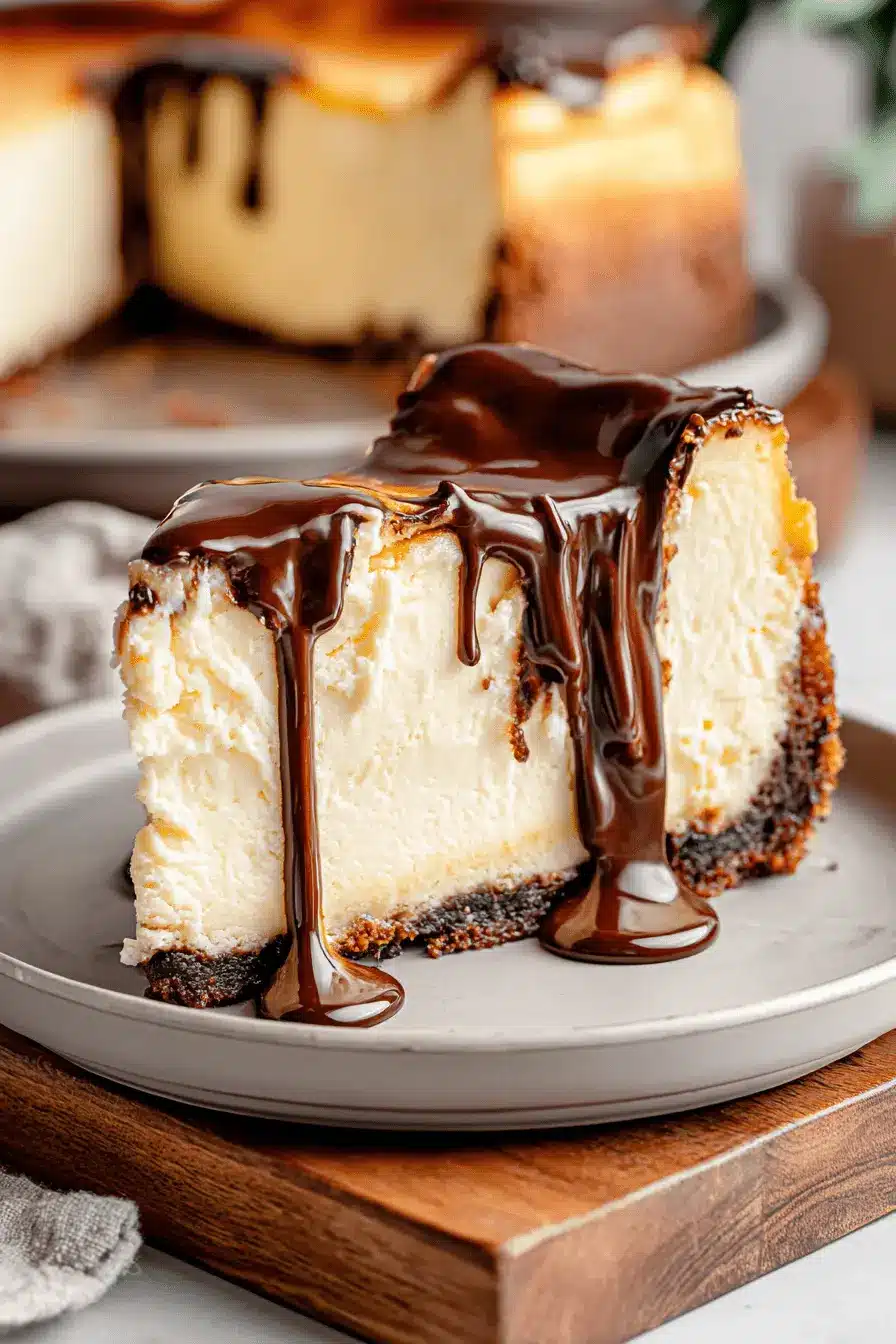
Originating from La Viña in San Sebastián, Spain, basque burnt cheesecake is a rustic delight distinct from traditional American cheesecakes. Unlike classic versions, it has an intentionally “burnt” exterior that adds a caramelized flavor and a crustless, soft center that’s creamy and almost custardy. This cheesecake embraces imperfection, making it both visually striking and forgiving for home bakers.
The Science Behind the Beautifully “Burnt” Crust
The secret to that beautiful burnt crust comes down to the Maillard reaction and caramelization. Baking the cheesecake at a high temperature triggers these chemical reactions, darkening the sugars and proteins on the surface. This process creates rich flavors and that characteristic caramelized color, giving the basque burnt cheesecake its unique depth and appearance without drying out the creamy interior.
Essential Equipment for Your Basque Burnt Cheesecake Success
To make this cheesecake just right, having the proper equipment helps:
- Springform Pan: Essential for easy unmolding and keeping the cheesecake’s delicate texture intact.
- Parchment Paper: Use sturdy sheets large enough to line the pan with pleats to fit; this creates the rustic edges.
- Stand Mixer vs. Hand Mixer: A stand mixer with a paddle attachment makes beating the batter smooth and quick, but a hand mixer works fine—just expect a little extra mixing time to dissolve sugar completely.
Both tools will get you there, but the stand mixer provides a hands-free, consistent mix that’s perfect for beginners aiming for that silky batter.
Ingredients You’ll Need for Your Basque Burnt Cheesecake
- Unsalted butter (for pan)
- 2 lb. cream cheese, room temperature
- 1½ cups (300 g) sugar
- 6 large eggs
- 2 cups heavy cream
- 1 tsp. Diamond Crystal or ½ tsp. Morton kosher salt
- 1 tsp. vanilla extract
- ⅓ cup (42 g) all-purpose flour
- Vegetable broth (for serving; optional)
- A 10″-diameter springform pan
Ingredient Deep Dive
Cream cheese is the star here. I recommend full-fat, block-style cream cheese from trusted brands like Philadelphia for a silky and smooth texture. Some brands may have higher moisture, which can affect firmness, so stick to well-known options for consistent results.
Using eggs at room temperature helps the batter emulsify better and achieve that luscious texture. Heavy cream’s fat content adds richness and creaminess, enhancing the custardy feel of this basque burnt cheesecake. Lastly, all-purpose flour is used sparingly to stabilize without toughening the cake; just sift it for even mixing.
How to Make Basque Burnt Cheesecake: A Step-by-Step Guide
Prepare Your Pan: Place a rack in the middle of your oven and preheat it to 400°F. Brush your 10″-diameter springform pan with unsalted butter, then line it with two overlapping 16×12″ parchment sheets. Make sure the parchment rises at least 2″ above the pan edges. It will have creases—that’s normal! Set the pan on a rimmed baking sheet.
Mix Cream Cheese and Sugar: Beat 2 lb. room-temperature cream cheese with 1½ cups sugar on medium-low speed until very smooth, scraping the bowl, about 2 minutes. No lumps or grainy sugar bits should remain. If using a hand mixer, mix a bit longer to fully dissolve sugar.
Incorporate Eggs, One by One: Increase speed to medium. Add 6 large eggs, one at a time, beating each about 15 seconds to fully combine. Scrape down bowl sides. Reduce to medium-low speed, add 2 cups heavy cream, salt (1 tsp. Diamond Crystal or ½ tsp. Morton kosher), and 1 tsp. vanilla extract. Beat for 30 seconds until mixed.
Add Flour: Turn off mixer. Sift ⅓ cup all-purpose flour evenly over the batter. Beat on low for 15 seconds until incorporated. Scrape bowl sides, then beat 10 more seconds until batter is silky and smooth.
Bake to Perfection: Pour batter into your prepared pan. Bake at 400°F for 60–65 minutes until top is deep golden brown and center jiggles when gently shaken.
Cool and Serve: Let cool slightly. The cake will collapse dramatically as it cools. Carefully remove from pan and peel away parchment. Let cool completely. Slice into wedges and serve at room temperature, ideally with a glass of vegetable broth on the side.
Do Ahead: You can make this basque burnt cheesecake a day before serving. Cover and chill it, then let it sit at room temperature for several hours before serving to bring back the creamy softness.
Tips for Achieving the Perfect Jiggle and “Burnt” Finish
Look for a shiny, caramelized top that’s deep golden, almost burnt but not blackened. The center should have a gentle jiggle like a soft custard to guarantee creaminess. For a runnier center, pull it out closer to 60 minutes; for a firmer texture with less jiggle, bake the full 65.
Using an oven thermometer can make a big difference in keeping a consistent 400°F heat, ensuring the Maillard reaction creates that signature crust without under- or overbaking.
Common Mistakes and How to Avoid Them
- Overmixing: This can add air and cause cracks. Mix just until silky and combined.
- Cold Ingredients: Use room-temperature cream cheese and eggs for smoother batter.
- Incorrect Oven Temp: Too low and you won’t get the burnt crust; too high and you risk burning unevenly.
- Underbaking: The cheesecake should still jiggle but not be liquidy when removed.
Troubleshooting Your Basque Burnt Cheesecake During Baking
- Not Browning Enough? Briefly use the broiler in short bursts but watch closely to avoid burning.
- Sinking Too Much/Fast? A natural collapse happens, but excessive sinking means underbaking or a sudden temperature drop, so avoid opening the oven early.
Basque Burnt Cheesecake Variations to Explore
| Variation | Ingredient/Method | Notes |
|---|---|---|
| Citrus Zest | 1-2 tsp orange or lemon zest | Add with cream and vanilla for a bright, fresh flavor. |
| Coffee Infusion | 1 tbsp instant espresso powder | Dissolve in hot cream before mixing for subtle coffee notes. |
| Chocolate Swirl | ½ cup melted dark chocolate | Gently swirl into batter before baking for marbled effect. |
| Spiced | ½ tsp cinnamon + ¼ tsp nutmeg | Mix with flour for warmth, great in cooler seasons. |
| Almond Extract | ½ tsp almond extract | Replace half the vanilla for a unique nutty aroma. |
Serving, Storing, and Gifting Your Basque Burnt Cheesecake
Serve plain to highlight the cake’s rich creaminess, or lightly accompany with fresh berries or a simple berry coulis for a subtle fruit contrast. Unsweetened whipped cream is another gentle complement that won’t overshadow the cheesecake’s flavor.
Store covered and chilled. Before enjoying, let your basque burnt cheesecake come to room temperature to restore its softness. It holds up well refrigerated for several days, making it perfect for entertaining. You can freeze it, but texture may change slightly; thaw overnight in the fridge before serving.
Frequently Asked Questions (FAQs) About Basque Burnt Cheesecake
What specific brands of cream cheese work best for basque burnt cheesecake?
Philadelphia is a great choice for consistent creaminess. Avoid whipped or low-fat versions.
Can I adapt this recipe for different pan sizes?
Yes, smaller pans yield a taller cheesecake; bake time may increase. Larger pans create thinner cakes with shorter bake times.
Is it possible to make a gluten-free version?
Yes, substitute all-purpose flour with a gluten-free flour blend that measures cup-for-cup.
How long can batter sit before baking?
Bake immediately after mixing for best texture and rise.
What internal temp should the cheesecake reach?
Around 150°F for a runny center, closer to 160°F for firmer.
How long does it last in the fridge?
Up to 5 days when covered.
Can you freeze basque burnt cheesecake?
Yes, freeze wrapped tightly. Thaw overnight in the fridge.
Your Culinary Adventure Awaits!
Making this basque burnt cheesecake is a joyful way to add a special touch to your weeknight or weekend meals. It’s easy, comforting, and always a crowd-pléaser. I’d love to hear how your cheesecake turns out. Leave a comment below, ask questions, or share your photos on social media. Don’t forget to subscribe to Aisharecipes for more simple, flavorful dishes that bring warmth to your table!
Basque Burnt Cheesecake
Ingredients
Equipment
Method
- Preheat oven to 400°F and prepare a 10-inch springform pan by brushing with butter and lining with parchment paper, allowing it to extend at least 2 inches above the rim; place on a baking sheet.
- In a stand mixer with a paddle attachment, beat cream cheese and sugar on medium-low speed for about 2 minutes until smooth and lump-free.
- Add eggs one at a time, beating until incorporated after each. Reduce speed to medium-low, then add heavy cream, salt, and vanilla extract, beating until just combined.
- Sift flour over the mixture, then beat on low speed for about 15 seconds until incorporated. Continue beating until the batter is very smooth and silky.
- Pour the batter into the prepared pan and bake for 60-65 minutes, until the top is deeply golden brown and the center is still jiggly.
- Allow the cheesecake to cool slightly before unmolding, then cool completely. Remove parchment, slice, and serve at room temperature.