
When I moved to the U.S. in my thirties, I missed familiar flavors but lacked time for complicated cooking. I needed food that brought warmth to my table without leaving me exhausted. This baked Cajun salmon recipe is my answer. It blends bold spice with pure comfort, proving that a quick, stress-free dinner can still feel like a huge victory.
Why You’ll Love This Foolproof Baked Cajun Salmon
If you are looking for a dinner that delivers maximum flavor with minimal effort, you have found it. Here is why this recipe is about to become a regular in your weeknight rotation:
- It is guaranteed to be juicy and flaky. The butter and honey glaze locks in moisture, ensuring your salmon never turns out dry or rubbery.
- Cleanup is practically non-existent. By lining your pan with foil, you save yourself from scrubbing dishes after a long day at work.
- The flavor profile is customizable. Whether you prefer a mild kick or serious heat, you can easily adjust the Cajun seasoning to suit your family’s taste buds.
- It is quick enough for busy nights. With just a few minutes of prep and 20 minutes in the oven, you can have a wholesome meal on the table in under half an hour.
Choosing Your Salmon: Tips for the Best Baked Cajun Salmon
To get that restaurant-quality result at home, starting with the right fish is key. You don’t need to be an expert fishmonger to choose a great piece of salmon for this baked Cajun salmon recipe.
For the most consistent results, look for a uniform fillet. A center-cut fillet usually has an even thickness, which helps it cook evenly from end to end. If you purchase a whole side of salmon, just keep an eye on the thinner tail end as it will cook faster than the thick center.
Freshness matters, but don’t shy away from frozen salmon. High-quality frozen fillets are often flash-frozen at the peak of freshness and are a fantastic, budget-friendly option for busy adults. Just make sure to thaw them completely in the refrigerator overnight before cooking to prevent excess water from watering down your delicious butter sauce.
Essential Equipment for Perfect Baked Cajun Salmon
You do not need a fancy kitchen to pull this off. However, a few specific tools will make the process easier and ensure your baked Cajun salmon comes out perfectly every time.
First, you need a large baking sheet. This gives the salmon plenty of room and ensures heat circulates evenly around the fish. Next, aluminum foil is your best friend here. It catches the sauce and makes cleanup a breeze.
Finally, I strongly recommend an instant-read meat thermometer. It is the only way to know exactly when your salmon starts to reach that perfect level of doneness without guessing. It eliminates the stress of overcooking and gives you total confidence in the kitchen.
Ingredients for Your Flavorful Baked Cajun Salmon
This recipe relies on simple, pantry-stape ingredients to create a sauce that is truly magical.
- 1 2-3 Pound Salmon Filet
- 5 Tablespoons Butter, (Melted)
- 3 Cloves Garlic, (Minced)
- 1 Tablespoon Honey
- Juice of one lemon, (about 2 Tablespoons)
- 1 Tablespoon Cajun Seasoning
- Salt & Pepper (to taste)
- Parsley for garnish (optional)
A Note on Ingredients:
Quality makes a difference here. Use real butter for the richest flavor profile. When it comes to Cajun seasoning, blends vary significantly in salt and heat levels. Check the label before you add extra salt; if your blend is salt-free, you might need to be more generous with the salt and pepper. Fresh garlic is always preferred over jarred for that punchy, aromatic kick that pairs so well with the lemon.
How to Make Baked Cajun Salmon: Step-by-Step Instructions
- Prep your oven and pan. Preheat oven to 375 degrees. Line a large baking sheet with foil, spray with non-stick cooking spray or lightly grease with oil and set aside.
- Prepare the fish. Pat the salmon dry and place on the foil.
- Mix the sauce. In a small bowl whisk together the melted butter, garlic, honey, and juice of one lemon.
- Season and glaze. Sprinkle the Cajun seasoning, salt, and pepper evenly over the salmon, then drizzle with the butter mixture.
- Bake to perfection. Bake in preheated oven for 20 minutes until cooked through.
Achieving Perfection: Tips for Flaky, Never-Dry Baked Cajun Salmon
Overcooked salmon is a common kitchen fail, but it is easy to avoid. The goal is a tender, flaky texture that melts in your mouth.
According to USDA guidelines, salmon should be cooked to an internal temperature of 145°F (63°C). Insert your meat thermometer into the thickest part of the fillet to check. If you do not have a thermometer, look for visual cues. The salmon should change from translucent to opaque pink.
You can also test it with a fork. Gently press down on the fillet; if the flakes separate easily, it is done. Remember that the fish will continue to cook slightly from residual heat after you pull it out of the oven, so taking it out right when it hits temperature is smart.
Craft Your Own: Homemade Cajun Seasoning
If you run out of store-bought mix, you can easily whip up your own Cajun seasoning. It is usually a blend of paprika, garlic powder, onion powder, oregano, cayenne pepper, and thyme.
Making it yourself allows you to control the heat. If you are cooking for kids or prefer less spice, reduce the cayenne pepper. For a smokier flavor, swap regular paprika for smoked paprika. This simple customization can make the baked Cajun salmon feel even more personal and tailored to your family’s preferences.
Elevate Your Dish: Flavor Boosters & Glaze Variations for Baked Cajun Salmon
While the garlic-butter glaze is delicious, sometimes it is fun to experiment. Here are a few ways to twist the flavor profile of your baked Cajun salmon.
| Variation | Description |
|---|---|
| Honey-Lime Glaze | Swap the lemon juice for lime juice and add an extra teaspoon of honey for a sweeter, citrus-forward profile that balances the Cajun spice heat. |
| Spicy Mayo Drizzle | After baking, drizzle a mixture of mayonnaise and sriracha over the top for a creamy, spicy finish that adds richness. |
| Garlic-Herb Butter | Add fresh chopped dill or chives to the butter mixture before baking to introduce a fresh, garden-herb brightness to the savory spices. |
Beyond the Oven: Other Ways to Cook Cajun Salmon
While baking is my favorite hands-off method, this recipe is versatile. If you want crispy skin, pan-searing is a great option. Heat a skillet with oil and cook the seasoned salmon skin-side down for most of the time before flipping to finish.
For a summer twist, grilling adds a wonderful smoky char that complements the Cajun spices perfectly. Just be sure to oil the grates well so the fish does not stick.
If you love your air fryer as much as I do, you can make this an easy air fryer meal. Cook the salmon at 400°F for about 7-10 minutes, depending on thickness. It creates a fantastic crust on the outside while keeping the inside juicy.
Perfect Pairings: What to Serve with Baked Cajun Salmon
To turn this baked Cajun salmon into a complete meal, you need sides that balance the bold spices.
Healthy & Fresh:
A crisp green salad with a vinaigrette or roasted asparagus works beautifully to cut through the richness of the butter sauce. Steamed broccoli or green beans are also quick, healthy options.
Comforting & Hearty:
Serve the salmon over a bed of fluffy white rice or quinoa to soak up that extra garlic-butter sauce. For a Southern-inspired touch, try roasted sweet potatoes or creamy garlic mashed potatoes.
Quick & Easy:
If you are in a rush, a bag of microwave-steamed vegetables or microwave rice makes this dinner ready in record time without sacrificing satisfaction.
Meal Prep & Storage Tips for Your Baked Cajun Salmon
This recipe is fantastic for meal prep. Leftovers can be stored in an airtight container in the refrigerator for up to 3 days.
To reheat, avoid the microwave if possible as it can make the fish rubbery. Instead, place the salmon on a baking sheet, cover it loosely with foil, and warm it in a 275°F oven until just heated through.
If you want to freeze cooked salmon, wrap individual portions tightly in plastic wrap and place them in a freezer-safe bag for up to 3 months. Thaw overnight in the fridge before reheating.
Common Mistakes to Avoid for Foolproof Baked Cajun Salmon
Even the best recipes have potential pitfalls. Here is how to avoid them for stress-free cooking.
Mistake 1: Not drying the fish.
If you leave moisture on the surface of the salmon, it will steam rather than bake, and the butter sauce won’t adhere well. Always pat it dry with paper towels.
Mistake 2: Over-salting.
Cajun seasoning often contains salt. If you add extra salt without tasting, your dinner might be too salty. Check your spice blend first.
Mistake 3: High heat reheating.
Blasting leftover salmon in the microwave on high is the quickest way to ruin the texture. Low and slow reheating preserves the moisture.
Nutrition Information (Estimated)
Disclaimer: These values are approximate and based on standard ingredients. Actual nutrition may vary strictly depending on brands and portion sizes.
- Calories: ~350-450 per serving
- Protein: ~35g
- Fat: ~25g
- Carbohydrates: ~5g
This baked Cajun salmon is a protein-packed meal. It provides healthy omega-3 fatty acids from the salmon, although the butter and honey do add fat and a small amount of sugar.
Frequently Asked Questions about Baked Cajun Salmon
What’s the difference between Cajun and Creole seasoning? Can I use either?
Cajun seasoning is typically simpler, focusing on peppers (cayenne, paprika) and garlic, while Creole seasoning often includes more herbs like oregano and thyme. You can absolutely use either for this baked Cajun salmon recipe, though Creole blends might be slightly more herbal.
Can I make this Baked Cajun Salmon recipe ahead of time or meal prep it?
Yes! You can prep the sauce and place the salmon on the baking sheet in the fridge a few hours before dinner. Just add the sauce right before baking. It is also excellent for meal prep lunches as it tastes great cold or gently reheated.
What if I don’t like spicy food? How can I adjust the heat in Baked Cajun Salmon?
Commercial Cajun blends vary in heat. Look for “mild” versions at the store, or make your own blend omitting the cayenne pepper. The honey in the recipe also helps to naturally tame the spice.
Can I double or halve this Baked Cajun Salmon recipe easily?
This recipe scales very easily. If you are cooking for one or two, simply cut the ingredient amounts in half. If you are feeding a crowd, use two baking sheets and double the ingredients.
How can I prevent salmon skin from sticking to the foil or pan?
Spraying the foil with non-stick cooking spray or brushing it with a little oil before placing the salmon skin-side down is crucial. This creates a barrier that helps the skin release easily after baking.
How can you tell the salmon is done cooking?
Check the thickest part of the fish. It should be opaque and flake easily with a fork. Using a meat thermometer to reach 145°F is the most accurate method to ensure it is safe and delicious.
Conclusion
I hope this baked Cajun salmon brings a little more ease and a lot more flavor to your kitchen. It is one of those recipes that reminds me that cooking doesn’t have to be perfect or complicated to be wonderful. It just needs to be comforting.
I would love to hear how your dinner turned out! Leave a comment below with your thoughts, or if you made a tweak that your family loved. If you snap a photo, tag me on social media using #AishaRecipes so I can celebrate your kitchen win with you. Let’s keep finding the joy in simple cooking together!
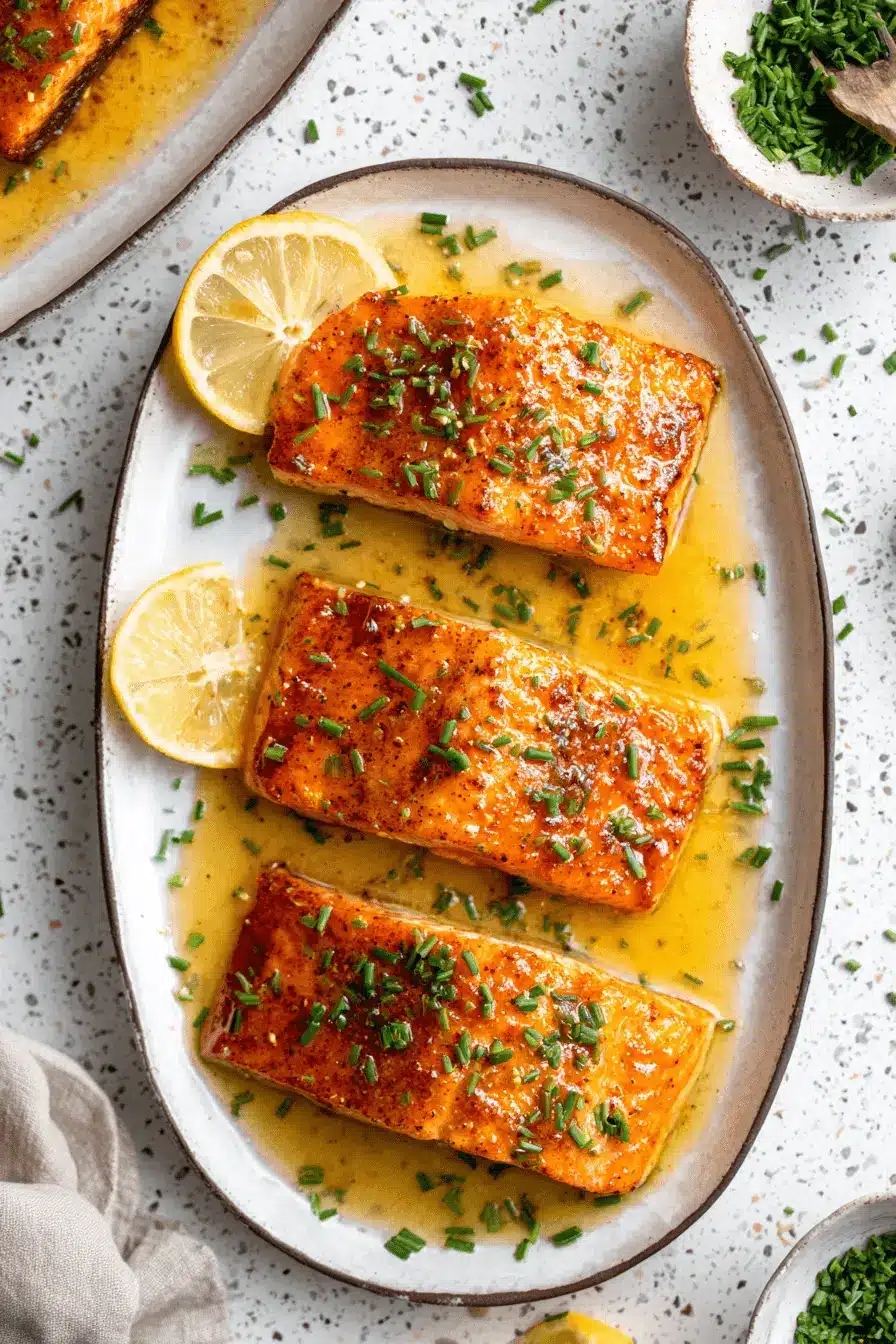
Baked Cajun Salmon
Ingredients
Equipment
Method
- Preheat your oven to 375 degrees F. Line a large baking sheet with foil and lightly grease it with non-stick spray or oil.
- Pat the salmon fillet dry with paper towels and place it onto the prepared baking sheet.
- In a small bowl, whisk together the melted butter, minced garlic, honey, and fresh lemon juice until well combined.
- Evenly sprinkle the Cajun seasoning, salt, and pepper over the salmon, then drizzle the whisked butter mixture over the top.
- Bake the salmon in the preheated oven for 20 minutes, or until it is cooked through and flakes easily with a fork.