
Hey there! I’m Aisha, and I am so glad you are here. If you are anything like me, you are constantly juggling work, family, and that dreaded question that pops up every evening: “What’s for dinner?” I know how overwhelming the kitchen can feel when you are tired, but I promise you, cooking doesn’t have to be complicated to be comforting.
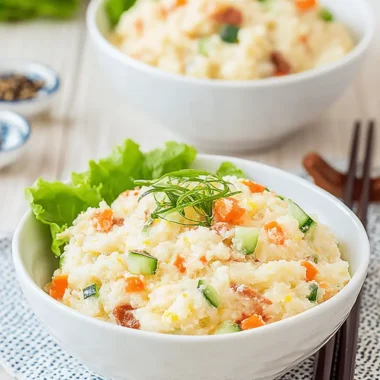
Today, I want to share a recipe that brings me so much joy. It is my take on Korean Potato Salad, or Gamja Salad. If you have mostly had traditional American potato salad, you are in for such a treat. This version is creamier, slightly sweeter, and packed with a delightful crunch from fresh apples and cucumbers. It’s the perfect side dish, or banchan, that works just as well inside a soft sandwich as it does next to grilled meat.
I designed this recipe specifically for busy adults like us. It is approachable, forgiving, and uses ingredients you likely already have or can easily grab. In about 40 minutes, you can have a bowl of creamy comfort ready to go. Let’s take the stress out of cooking and make something delicious together. You’ve got this!
What Makes This Korean Potato Salad So Special?
I have experimented with many versions of this salad since moving to the U.S., blending the flavors I miss from home with easy-to-find ingredients. Here is why I think you will love this specific recipe:
- The Perfect Texture: It strikes that ideal balance between smooth, mashed potatoes and the satisfying crunch of fresh vegetables. It isn’t chunky like some salads, but it isn’t baby food either.
- A “Kitchen Fail” Proof Method: I use a simple boiling method for the eggs and potatoes that guarantees they serve up perfectly every time. It builds so much confidence when you get it right on the first try.
- Simple Ingredients, Big Flavor: You don’t need a trip to a specialty market. With everyday items like apples, raisins, and mayonnaise, you create a complex flavor profile that tastes like you spent hours in the kitchen.
Korean Potato Salad vs. American Potato Salad: A Flavor Journey
I remember the first time I tried American potato salad at a potluck. The flavors of mustard, dill, and celery were so different from what I was used to! While both are comforting, they offer very different experiences. American versions, for instance, often highlight the distinct flavors of creamy mustard potato salad, dill, and celery.
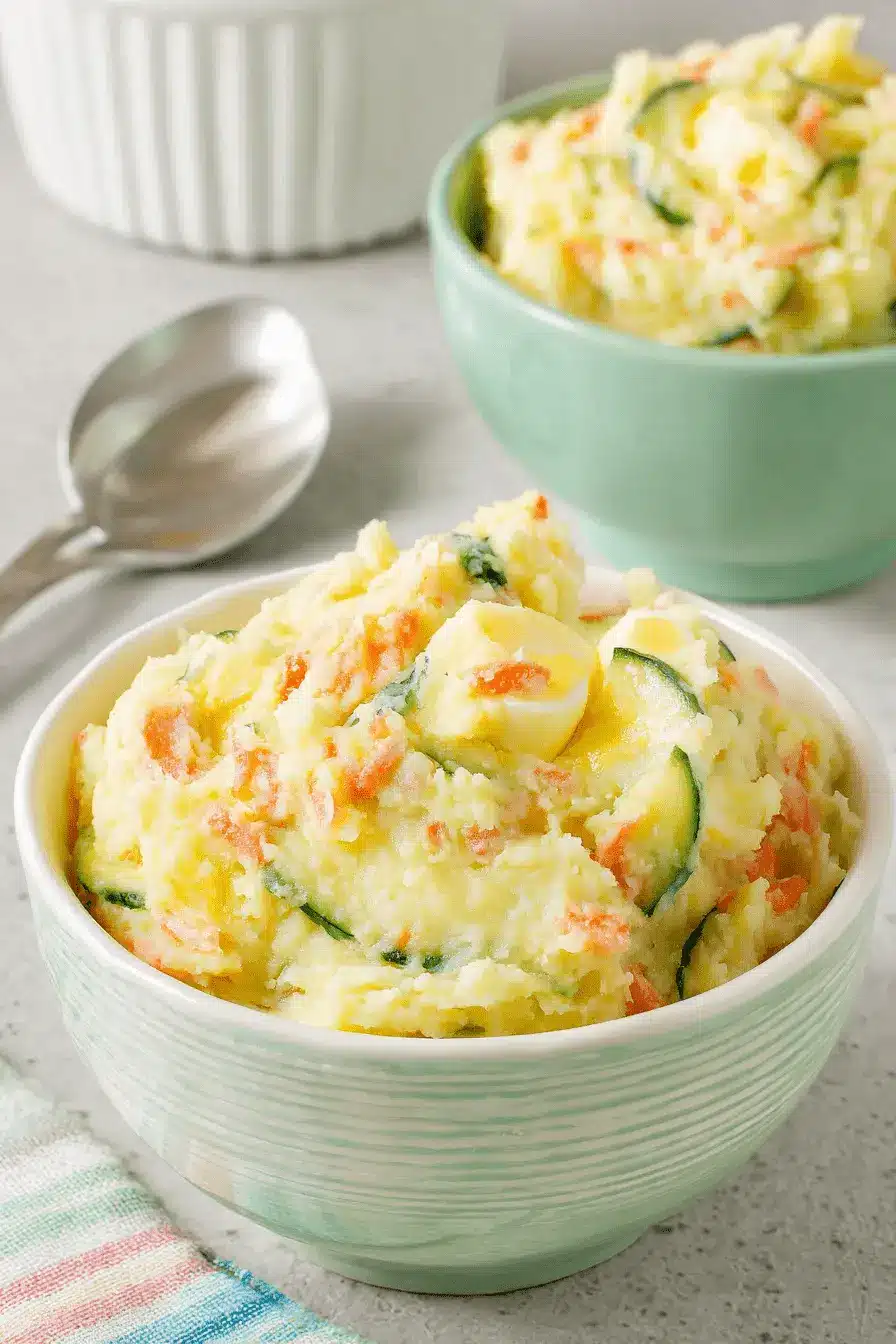
Korean potato salad is generally mashed rather than left in cubes, giving it a texture closer to mashed potatoes. Flavor-wise, I find it tends to be a bit sweeter and often includes fruit, like the apple and raisins in my recipe here. This adds a refreshing sweetness that cuts through the rich mayonnaise.
While American versions often rely on celery or pickles for crunch, this recipe uses cucumber and carrot. These fresh veggies make the salad feel lighter. In Korea, this is often served as banchan (a side dish) alongside a meal, but I honestly love eating it by the scoopful right out of the bowl!
Ingredients for Your Authentic Korean Potato Salad
Here is everything you need to get started. I have kept this list simple and accessible.
- 1.5 pound potatoes (Russet or Yukon gold)
- 1 boiled egg (or 2 eggs)
- 2 ounces cucumber
- 2 ounces carrot
- 6 tablespoons mayonnaise – use your favorite (start with 5 TB and use more to taste, see note)
- Salt and pepper to taste (start with 1 teaspoon salt)
- 1 teaspoon sugar – optional
- 1 – 2 tablespoons lemon juice (or 1 tablespoon vinegar – rice, white, apple cider, etc.)
- 1 tablespoon raisins or dried cranberries
- 1/4 small apple (sweet variety), cut into thin, small slices
- 2 tablespoons finely chopped onion
Ingredient Substitutions & Flavor Variations for Korean Potato Salad
Cooking is all about making it work for your palate. I always encourage experimenting! Here is a quick guide to help you swap things out if you need to.
| Ingredient/Element | Substitution/Variation |
|---|---|
| Potato Types | Russet: Fluffier and absorbs dressing well (great for smooth mash). Yukon Gold: Creamier and holds shape better (good if you want some chunks). |
| Mayonnaise | Kewpie (Japanese): Richer, eggier flavor (highly recommended!). Ottogi (Korean): Tangier and slightly sweeter. Standard American: Works perfectly fine; just taste as you go. |
| Sweetener | Granulated Sugar: Standard for texture. Rice Syrup: Adds a glossy shine and distinct sweetness. Honey: A floral note, but use sparingly. |
| Acidity | Lemon Juice: Fresh and bright. Rice Vinegar: Milder and authentic. Apple Cider Vinegar: Adds a fruity tang that pairs well with the apple slices. |
| Optional Add-ins | Ham: Diced ham is very traditional and adds savory protein. Corn/Peas: Canned corn or frozen peas add color and pops of sweetness. Gochujang: A tiny bit can add a spicy kick if you are feeling adventurous. |
| Dietary Swaps | Vegan Mayo: Works great for a plant-based version. Tofu: Firm tofu crumbled can replace the egg texture. |
Step-by-Step Instructions: How to Make the Best Korean Potato Salad
Let’s get cooking! I will walk you through this step-by-step. Imagine I am right there in the kitchen with you.
- Prep the Potatoes: Peel and cut the potatoes into similar size chunks (1 to 1.5-inch pieces). Keeping them the same size helps them cook evenly.
- Boil the Potatoes: Place the potatoes in a medium size pot, and cover with cold water. Bring it to a boil over medium high heat. Reduce the heat to medium, cover and continue to boil the potatoes until easily pierced with a fork or a chopstick.
- Mash the Potatoes: Drain and mash the potatoes in a mixing bowl with a fork until smooth. Leave some small chunks if you like; I find a little texture is nice. Set it aside.
- Cook the Eggs: Place the egg(s) in a small sauce pot with cold water covering the egg(s). Bring it to a boil. Turn the heat off, cover, and let the eggs cook in hot water for 12 – 13 minutes. Remove the eggs and place them in cold water for about 10 minutes before peeling.
- Prep the Cucumber: Cut the cucumber in half lengthwise and thinly slice. Lightly sprinkle with salt. Set it aside while preparing the other ingredients, and then tightly squeeze to remove moisture. This step is crucial for crunch!
- Prep the Carrot: Cut the carrot in half lengthwise and thinly slice. No salt is necessary as the carrot doesn’t contain as much moisture as the cucumber.
- Prep the Egg: Roughly chop the egg(s), leaving the yolk if using it for optional garnish.
- Mix it All Up: Add the cucumber, carrot, mayonnaise (start with 5 tablespoons), salt (start with 1 teaspoon), optional sugar, and lemon juice (or vinegar) to the bowl with the mashed potatoes. Mix everything well. Taste and add more mayonnaise, salt, and/or sugar to taste.
- Final Touch: Throw in the chopped egg and toss gently to evenly distribute the egg pieces.
Expert Tips for Perfect Korean Potato Salad
I learned a few things the hard way so you don’t have to! Here are my top tips for getting that restaurant-quality taste at home.
Potato Perfection: The Science of Texture
I usually grab Russet potatoes because they break down into a fluffy mash very easily. However, if you want a richer mouthfeel, Yukon Golds are naturally buttery. When you drain the potatoes, I recommend letting them sit in the colander for a minute to steam dry. Excess water is the enemy of a creamy salad!
Foolproof Eggs, Every Time
Starting eggs in cold water prevents them from cracking. The 12-13 minute method I use yields a fully cooked, creamy yolk without that grey ring. The cold water bath afterwards stops the cooking immediately and shrinks the egg inside the shell slightly, making peeling so much easier, essential for any creamy classic potato salad with egg.
Crisp Veggies, No Soggy Salad
Please don’t skip squeezing the cucumbers! I know it adds a step, but if you don’t do it, the water will leach out later and make your mayonnaise runny. You want to squeeze them until they feel almost dry to the touch. It concentrates the cucumber flavor and keeps the crunch.
The Magic of “Mix While Warm”
I love mixing the mayonnaise and seasonings into the potatoes while they are still slightly warm (not piping hot, but warm). The heat helps the potato absorb the flavors of the dressing much better than cold potatoes do. Just be gentle.
Balancing Act: Adjusting Seasoning to Taste
Start with the smaller amount of salt and mayonnaise I listed. You can always add more, but you can’t take it out. Ask yourself: Does it need more creaminess? Add mayo. Does it need a “lift”? Add a splash more lemon juice.
Troubleshooting Common Korean Potato Salad Issues
Even with the best recipes, things can go a little sideways. Don’t worry, I’ve got fixes for you.
- “My potatoes are too watery or mushy!”
This usually happens if the potatoes weren’t drained well enough. If you see this happening, try mixing in a mashed hard-boiled yolk extra well; it acts as a binder. Next time, really let those potatoes steam dry. - “My Korean potato salad is bland!”
Potatoes love salt. If it tastes flat, add another pinch of salt or a little more onion. The sweetness from the sugar or apple also helps bring out the savory notes, surprisingly. - “The texture isn’t quite right (too smooth/too chunky)!”
If it’s too chunky, just keep mashing! If it’s too smooth and paste-like, you might have over-mashed Russets. Stir in the crisp vegetables and apple generously to distract from the smoothness with nice crunch. - “My hard-boiled eggs are impossible to peel!”
This is frustrating! Ensure you shock them in very cold water right after cooking. Peeling them under running water helps separate the membrane from the white perfectly.
Serving Suggestions & What to Pair with Your Delicious Korean Potato Salad
This dish is incredibly versatile. I love serving it as a traditional banchan alongside other Korean staples.
- Korean BBQ Night: It is the perfect cooling counterpoint to spicy pork bulgogi or galbi.
- Classic Combos: Serve it with kimchi and a bowl of sticky rice. The contrast between the spicy, sour kimchi and the creamy, mild potato salad is heavenly.
- Sandwich Filling: This is my secret lunch hack. Pile this salad between two slices of soft white bread. It makes a “salad sandwich” (known as sarada-ppang) that is popular in Korean bakeries.
- Picnic Side: It pairs beautifully with grilled chicken or even burgers if you want to switch up your usual backyard BBQ sides.
Storing Your Korean Potato Salad & Making Ahead Tips
This salad actually tastes even better after it sits for a few hours, making it perfect for meal prep.
You can store leftovers in an airtight container in the refrigerator for 2 to 3 days. Because it contains mayonnaise and fresh vegetables, I don’t recommend keeping it longer than that.
Can you freeze it?
I honestly would not recommend freezing this potato salad. The texture of the potatoes becomes grainy, and the mayonnaise can separate when thawed. The cucumbers will also lose their crunch. It is definitely best enjoyed fresh from the fridge!
Frequently Asked Questions About Korean Potato Salad
- Can I make this Korean potato salad vegan or dairy-free?
Absolutely. Just swap the regular mayonnaise for a high-quality vegan mayo. You can skip the egg entirely; try adding crumbled firm tofu or just extra veggies for bulk, and consider exploring an ultimate foolproof vegan potato salad for more ideas. - How do different mayonnaise brands impact the flavor? Are there specific Korean brands recommended?
I love using Kewpie mayo (technically Japanese) for its rich umami flavor, or Ottogi (Korean) which is slightly vinegar-forward. American mayo works fine, but you might want to add a tiny pinch more sugar or lemon juice to mimic the Asian style profile. - Can I skip the salting step for cucumber? What happens if I do?
I really recommend you don’t skip it. If you do, the water inside the cucumber will slowly leak into your salad in the fridge, turning your creamy mash into a watery soup by the next day. - How do I achieve the “right” level of sweetness and tanginess for my individual preference?
Taste as you go! I start with 1 teaspoon of sugar and 1 tablespoon of lemon juice. If you like it sweeter like many Korean restaurants serve, add a little more sugar. If you prefer it savory, hold back on the sugar. - Is this recipe suitable for freezing?
No, I don’t recommend it. The texture changes too much. - How can I make this Korean potato salad even quicker for busy weeknights?
You can hard boil the eggs a day or two in advance. You can also chop the vegetables the night before. Then, all you have to do is boil and mash the potatoes when you get home!
Conclusion: Your New Go-To Side Dish!
I hope this recipe brings a little bit of ease and comfort to your kitchen. Making this Korean Potato Salad is such a simple way to add something special to your dinner table without adding stress. Whether you treat it as a side dish or a sneaky midnight snack (I won’t tell!), I know you are going to love the creamy, crunchy texture.
Cooking is all about those small wins, so I encourage you to make this your own. Add extra corn, swap the vinegar, or adjust the sweetness until it tastes exactly like home to you.
I would love to hear how it turned out for you! Please leave a comment below sharing your experience, or snap a photo and tag me on social media with #AishaRecipes. Let’s celebrate your delicious creation together!
Korean Potato Salad
Ingredients
Equipment
Method
- Peel and cut the potatoes into 1 to 1.5-inch chunks.
- Place potatoes in a medium pot, cover with cold water, bring to a boil over medium-high heat, then reduce and cook until easily pierced.
- Drain the potatoes and mash them in a mixing bowl with a fork until smooth, leaving small chunks if preferred, then set aside.
- Boil egg(s) in a small pot for 12-13 minutes, then cool in cold water for about 10 minutes before peeling.
- Halve the cucumber lengthwise, thinly slice it, sprinkle lightly with salt, set aside, then tightly squeeze to remove moisture.
- Halve the carrot lengthwise and thinly slice.
- Roughly chop the peeled egg(s), reserving the yolk for optional garnish if desired.
- Add the cucumber, carrot, mayonnaise (starting with 5 tablespoons), salt, optional sugar, and lemon juice (or vinegar) to the mashed potatoes; mix well and adjust seasoning to taste.
- Gently toss in the chopped egg pieces to ensure even distribution.