
Introduction
Start with a friendly, supportive hook that connects to busy adults wanting stress-free, flavorful meals. Introduce our ultimate guide to crispy homemade vegetable spring rolls, emphasizing how easy it is to achieve restaurant-quality results, whether fried, baked, or air-fried. Weave in the Focus Keyword naturally and set an encouraging, confidence-boosting tone.
Why Aisha’s Vegetable Spring Rolls Are Your New Favorite Appetizer
- Emphasize achieving restaurant-style crispiness, the versatility of multiple cooking methods, and the joy of making them at home without stress, aligning with the persona.
- Write 3-4 compelling bullet points that highlight the unique benefits of this recipe.
- The satisfaction of creating delicious, restaurant-quality appetizers right in your own kitchen.
- A versatile recipe that can be deep-fried, baked, or air-fried to suit your preference.
Understanding Your Wrappers: The Secret to Crispy Vegetable Spring Rolls
This crucial section addresses a major content gap. Provide a detailed comparison and recommendations for different types of spring roll pastry wrappers (e.g., wheat vs. rice flour pastry, egg vs. non-egg). Explain why certain wrappers are best for crispy fried/baked rolls. Include specific brands or types to look for in Asian markets.
Different Types of Spring Roll Wrappers Explained
Elaborate on the common types of wrappers available and their characteristics, focusing on those suitable for cooked vegetable spring rolls.
Choosing the Best Wrapper for Crispy Results
Give actionable advice on selecting the ideal wrapper for deep-frying, baking, and air-frying, ensuring maximum crispiness.
Ingredients for Irresistible Vegetable Spring Rolls
Present the exact ingredients from the Recipe Data provided. Do not modify or alter these ingredients.
Essential Vegetables for a Perfect Filling
Provide guidance on how to prepare each vegetable for optimal texture in the filling (e.g., julienning carrots and bell peppers, shredding cabbage finely). Discuss why these cuts are important for even cooking and texture, addressing beginner knife skills.
Flavor Boosters and Seasonings
Briefly discuss the role of soya sauce, rice vinegar, and black pepper in building the core flavor of these vegetable spring rolls, and how to adjust them for different palates.
Step-by-Step: How to Make Crispy Vegetable Spring Rolls
Preparing Your Flavorful Spring Roll Filling
Guide the writer to give detailed steps for chopping and cooking the filling, ensuring vegetables are half-done yet crunchy. Include tips on seasoning and cooling the filling completely before rolling. Address the option of making the filling ahead of time.
Mastering the Spring Roll Fold
To ensure your spring rolls hold their shape and cook evenly, mastering the fold is key. Start by placing your filling strategically. Remember, wrappers should be pliable but not overly wet; wrappers that are too soft from over-soaking can become difficult to handle and prone to tearing. Fold in the sides, then roll tightly from the bottom up, tucking in the filling as you go to create a snug package. Seal the edge with a dab of water or flour paste.
Cooking Your Vegetable Spring Rolls to Perfection
Provide explicit, detailed instructions for three distinct cooking methods: deep-frying, oven baking, and air frying. Include common pitfalls and tips for each method.
Deep Frying for Ultimate Crispiness
Present the exact deep-frying instructions from the Recipe Data. Expand with crucial deep-frying safety tips, specific oil recommendations (e.g., high smoke point oils), and advice for achieving an even golden-brown crisp. Explain how to prevent soggy spring rolls after frying by draining properly.
Baking for a Lighter Touch
Present the exact baking instructions from the Recipe Data. Expand with specific temperature and time guidance, emphasizing brushing generously with oil and using a greased tray or wired rack for best results.
Air Frying for a Healthier Crunch
Provide comprehensive instructions for air frying vegetable spring rolls, filling a key content gap. Include specific temperature and time guidance, how to prevent sticking, and tips for achieving maximum crispiness in an air fryer. For more delicious options, explore other easy air fryer recipes like jalapeno poppers.
Homemade Dipping Sauces for Your Vegetable Spring Rolls
Offer 2-3 homemade sauce recipes beyond just basic ketchup. Focus on flavorful, easy-to-make options that pair well with vegetable spring rolls, aligning with the “flavorful sauces” persona goal.
Quick Sweet Chili Sauce
Provide a simple recipe for a homemade sweet chili sauce.
Zesty Soy-Ginger Dip
Provide a recipe for a refreshing soy-ginger dipping sauce.
Creamy Peanut Dipping Sauce
Provide a recipe for a rich and creamy homemade peanut sauce.
Pro Tips for the Crispiest Vegetable Spring Rolls
Create a dedicated troubleshooting guide addressing common issues. Explain how to prevent soggy spring rolls after cooking, achieve an even golden-brown crisp, handle wrappers without tearing, and what to do if the filling is too wet. Offer specific tips for beginner cooks, aligned with the supportive persona.
Customizing Your Vegetable Spring Rolls
Offer a “Customization & Variations” section with different filling ideas (e.g., adding mushrooms, tofu, different herbs, spice levels). Instruct the writer to use a markdown table for clarity and easy readability.
Filling Variations Table
| Ingredient/Variation | Description/Effect |
|---|---|
| Shredded Tofu | Adds protein and a delightful texture. Press well to remove excess moisture. |
| Shiitake Mushrooms | Enhances umami flavor; sauté finely sliced mushrooms until tender. |
| Bean Sprouts | Adds a fresh, crunchy element; add them towards the end of cooking the filling. |
| Red Pepper Flakes | A pinch or more for a spicy kick, adjust to your preference. |
| Fresh Cilantro/Mint | Stir in chopped fresh herbs after the filling has cooled for a burst of freshness. |
Storage, Freezing, and Reheating Your Spring Rolls
Provide detailed instructions on how to store cooked spring rolls, if the filling can be made ahead of time, and crucially, how to freeze uncooked spring rolls for later enjoyment (a common user query). Include best methods for reheating both fried and baked/air-fried spring rolls to maintain crispness.
What to Serve with Your Homemade Vegetable Spring Rolls
Offer creative and comforting meal pairing suggestions that go beyond just serving them as an appetizer, aligning with the “comforting dinners” aspect of the persona. Include ideas for soups, salads, or quick dinner ideas like garlic butter steak bites that complement Asian flavors.
Frequently Asked Questions About Vegetable Spring Rolls
Q: What type of oil is best for frying spring rolls?
A: For deep-frying, use a neutral oil with a high smoke point such as canola, vegetable, peanut, or sunflower oil. These oils will ensure your spring rolls cook evenly and achieve a golden crisp without imparting unwanted flavors.
Q: Can I make these vegetable spring rolls gluten-free?
A: Yes, you can! Look for gluten-free spring roll wrappers, often made from rice flour. Additionally, ensure your soy sauce is gluten-free (tamari is a great option) and check all other seasonings for hidden gluten.
Q: What’s the best way to prevent spring rolls from bursting during frying?
A: The most common reasons for bursting are overfilling and not sealing the wrappers properly. Ensure your filling is cooled completely, don’t overstuff, and seal the edges tightly with a water or flour paste. Also, avoid frying at too high a temperature, which can cause internal steam to build up rapidly.
Q: How can I adjust the seasoning for different palates?
A: Taste your filling before rolling! You can add more soy sauce for saltiness, a dash more rice vinegar for tang, or a pinch of sugar to balance flavors. For heat, incorporate red pepper flakes or a touch of sriracha. Fresh ginger and garlic can also be adjusted to your liking for a stronger aromatic profile.
Conclusion
Write a friendly, supportive conclusion that recaps the ease and deliciousness of making homemade vegetable spring rolls. Reiterate the confidence a home cook can feel when tackling this recipe. End with a highly engaging call-to-action that encourages readers to leave a comment, ask a question, share their results on social media using a specific hashtag, or explore more quick and flavorful recipes on Aisha recipes.
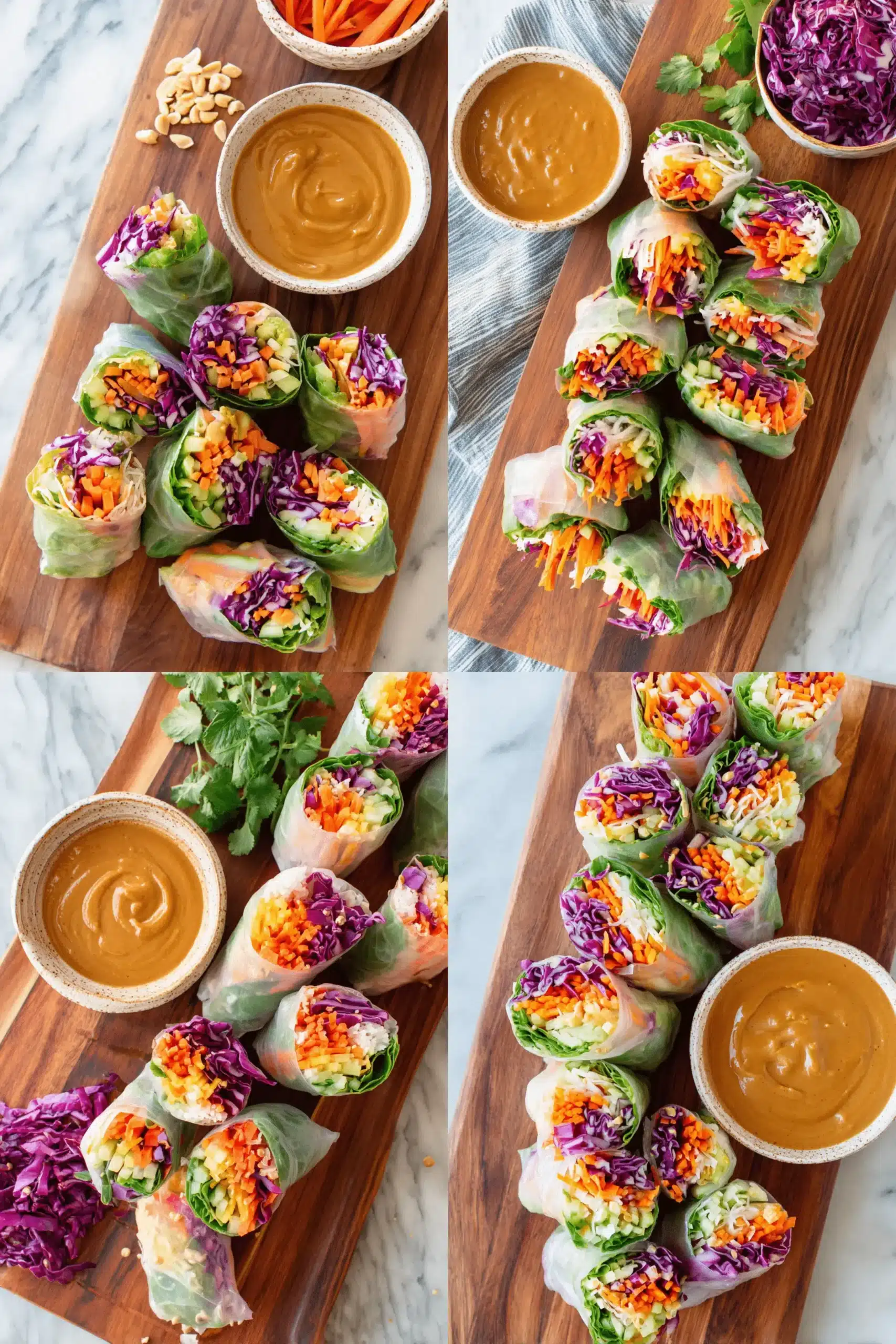
Vegetable Spring Rolls
Ingredients
Equipment
Method
- Heat oil in a hot pan and sauté the white parts of the spring onions.
- Add all vegetables except the green spring onion parts and stir-fry on high heat until they are half-cooked but still crunchy.
- Stir in the soya sauce and rice vinegar, mixing well.
- Add the green spring onions, black pepper, and a small amount of salt; mix thoroughly and then remove the pan from the heat.
- If using noodles, boil them until al dente, rinse, and drain completely; then add them to the stir-fried vegetables, fry for one minute, and season with extra soya sauce, salt, and pepper.
- Allow the prepared filling to cool down completely before assembling the rolls.
- Thaw the frozen spring roll wrappers by covering them with a damp cloth for 5 to 7 minutes, or follow the instructions on the package.
- Lay out one wrapper, place a spoonful of the cooled filling near one edge, and roll that edge inward to cover the stuffing.
- Fold the side edges towards the center, dampen the remaining edge, and then roll the wrapper completely to seal it securely.
- Keep the assembled spring rolls covered with a damp cloth to prevent them from drying out.
- Heat oil in a deep pan until it is hot enough; test by dropping a small piece of wrapper into the oil—it should rise without browning.
- Carefully place the spring rolls into the hot oil and fry them evenly, stirring occasionally, until they turn golden brown.
- Remove the fried spring rolls and place them on kitchen tissue to drain excess oil; serve hot with ketchup.
- Preheat your oven to 220°C (425°F) for at least 15 minutes.
- Brush the assembled spring rolls generously with oil.
- Place them on a greased baking tray or a wired rack and bake for 12 to 13 minutes; if needed, flip them and bake for an additional 6 minutes until golden.
- Serve the baked spring rolls hot with any dipping sauce.