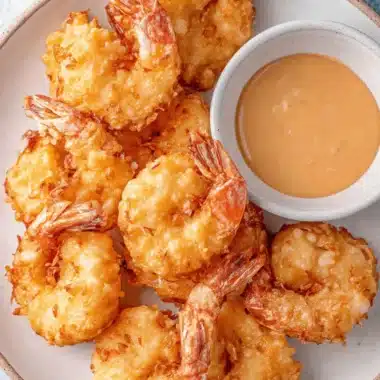

I still remember my first attempt at making shrimp tempura—standing in my kitchen, wondering if I could really recreate those delicate, crispy morsels I’d enjoyed in restaurants. After many tries (and a few soggy mishaps!), I discovered it’s absolutely doable at home. Today, I’m sharing my foolproof method for creating authentic, extra-crispy shrimp tempura that will rival your favorite Japanese restaurant.
Why You’ll Love This Crispy Shrimp Tempura Recipe
- Foolproof Results – I’ve tested and refined this technique countless times, ensuring that even first-timers can achieve that perfect light, crispy coating without the guesswork.
- Restaurant-Quality Taste – The combination of properly prepared shrimp and my specially formulated batter creates tempura that’s airy, delicate, and never greasy.
- Complete Guide – Unlike other recipes, I’m including everything from proper shrimp preparation to a homemade tentsuyu dipping sauce that completes the authentic experience.
- Confidence-Building – Master this classic technique and you’ll not only impress family and friends but gain the skills to tackle other tempura variations.
Essential Tools for Perfect Homemade Shrimp Tempura
Before diving into this culinary adventure, gather these kitchen tools for success:
- Deep-fry thermometer – Critical for maintaining the perfect oil temperature (around 375°F)
- Heavy-bottomed pot or Dutch oven – Cast iron is excellent for maintaining consistent heat
- Spider strainer or slotted spoon – For safely removing the tempura from hot oil
- Wire cooling rack – Allows excess oil to drip away, keeping your tempura crispy
- Mixing bowls – For preparing your batter and dredging station
- Chopsticks or whisk – For gently mixing your batter without overworking it
Having these tools ready before you start will make the entire process smoother and more enjoyable.
Ingredients for the Best Shrimp Tempura
- 20-25 shrimp (peeled with tail-on and deveined)
- Flour for dredging
- 1 cup flour (all-purpose or cake flour)
- 1/4 cup cornstarch
- 1 egg
- 1.25 cup ice cold water
Ingredient Tips: For authentic shrimp tempura, try to source medium to large shrimp (16-20 count per pound). Freshly frozen shrimp often works better than “fresh” shrimp at most supermarkets, as they’re typically frozen right on the boat. If possible, look for wild-caught shrimp for the best flavor.
How to Prepare Shrimp for Perfect Tempura
Proper shrimp preparation is the foundation of excellent tempura. These crucial steps prevent curling and ensure even cooking.
Peeling, Deveining, and Rinsing
- Carefully peel and devein the shrimp, leaving the tails intact for easier handling.
- Rinse thoroughly under cold running water to remove any remaining shell fragments or debris.
- Pat completely dry with paper towels. This is essential—excess moisture will cause dangerous oil splatter and prevent your batter from adhering properly.
The Secret to Straight Shrimp: Notching and Muscle Breaking
- Make shallow slits on the underside of each shrimp. Create 4-6 small cuts across the belly side, being careful not to cut all the way through.
- Break the muscle fibers by placing the shrimp right-side up and pressing firmly on the back with your index finger while using your thumb and middle finger to hold it in place. You’ll hear satisfying popping sounds as the muscles break and the shrimp straightens.
This muscle-breaking technique is the professional secret to preventing shrimp from curling during frying. Straight shrimp cook more evenly and create a more appealing presentation.
Crafting Your Light and Crispy Tempura Batter
The perfect tempura batter is all about temperature and technique. Understanding the science behind it will help you achieve that signature delicate crispness.
The Role of Cold Water and Minimal Mixing
The key to ethereal tempura batter is minimizing gluten formation. Two critical factors help with this:
- Ice-Cold Water: Your water should be between 35-38°F (nearly freezing). I keep a bowl of ice water next to my mixing bowl and only measure the water right before mixing.
- Gentle, Minimal Mixing: Overmixing develops gluten, resulting in a heavy, bready coating instead of the delicate, crisp shell we want. Mix just until ingredients are incorporated—lumps are not only acceptable but desirable!
Understanding Different Flours for Tempura
Different flours create different results in tempura batter:
- All-purpose flour: The most accessible option that works well for beginners
- Cake flour: Lower protein content creates an even lighter texture
- Rice flour: Produces exceptionally crisp results and is naturally gluten-free
- Potato starch/cornstarch: Adding these to your flour creates a more delicate, crispier coating
Our recipe uses a combination of regular flour and cornstarch for the perfect balance of structure and crispness.
Step-by-Step Instructions for Frying Authentic Shrimp Tempura
- Prepare the shrimp. Peel and devein the shrimp and rinse under cold water. Pat the shrimp dry with paper towels.
- Create shallow cuts. Make 4-6 shallow slits on the underside of the shrimp.
- Break the muscles. Place the shrimp right side up and push against the back of the shrimp with your index finger to break the muscles. Use your thumb and middle finger to hold it in place as you press. You should hear popping sounds as the muscles break and the shrimp straightens out. Repeat with the remaining shrimp.
- Make the batter base. In a small bowl, whisk together the egg and ice cold water until it’s well incorporated.
- Combine dry ingredients. In a separate mixing bowl, whisk together flour and cornstarch. Pour in the egg/water mixture.
- Mix gently. Use a whisk or chopsticks to gently mix until the dry ingredients are incorporated with the wet. Do not overmix. It’s okay for the batter to be lumpy.
- Keep batter cold. Keep the batter in an ice bath until you’re ready to fry.
- Heat the oil. Heat 1.5″-2″ of oil, in a pot or Dutch oven, over medium heat until it reaches 375°F. I like to use cast iron when frying since it helps maintain the temperature of the oil as you add ingredients.
- Prepare the shrimp. Lightly dredge the shrimp with flour and shake off the excess.
- Coat with batter. One at a time, dip the shrimp into the batter and allow the excess to drip off. Carefully lower the shrimp into the oil. Cook the shrimp in batches to avoid overcrowding, no more than 3-4 at a time, depending on the size of your pot.
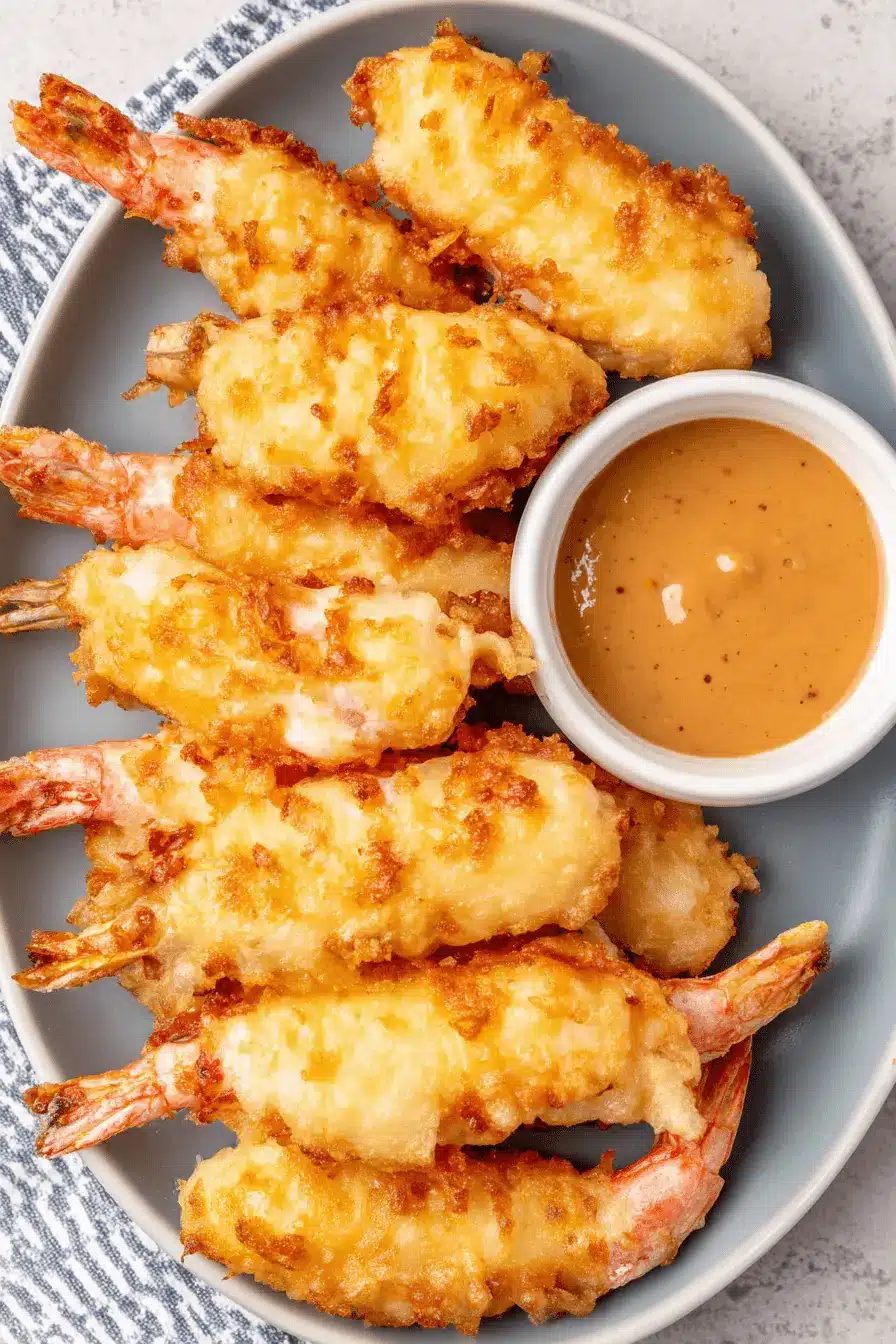
- Apply the special technique. Slowly drizzle 2-3 spoonfuls of batter in a zigzag pattern across the length of each shrimp. Some batter will stick and some will bubble and float away. Carefully move the shrimp around the oil to catch the batter.
- Fry to golden perfection. Fry the shrimp tempura until it’s golden brown (about 2 minutes).
- Drain properly. Remove the shrimp from the oil and place on a wire rack or paper towels to allow excess oil to drip off.
- Repeat and maintain. Repeat with the rest of the shrimp. In between batches, use a strainer to remove the excess bits of batter that did not stick. You want to have clean oil when starting a new batch.
The Best Oil for Frying Shrimp Tempura & Safe Practices
Choosing the Right Frying Oil
The oil you select significantly impacts the flavor and quality of your tempura:
- Vegetable oil: Neutral flavor and high smoke point make it ideal for tempura
- Canola oil: Another excellent neutral option with a high smoke point
- Rice bran oil: Traditional in Japan, with a clean taste and high heat tolerance
- Peanut oil: Great heat stability, but adds a slight nutty flavor
Avoid olive oil or sesame oil, which have lower smoke points and strong flavors that will overpower your delicate tempura.
Safe Frying Practices and Oil Disposal
When deep frying, safety should be your top priority:
- Always keep a lid nearby to smother potential oil fires (never use water)
- Never fill your pot more than halfway with oil
- Use long cooking utensils to keep a safe distance from hot oil
- Keep a fire extinguisher in your kitchen
For responsible oil disposal:
- Let used oil cool completely overnight
- Strain through a fine-mesh sieve to remove food particles
- Transfer to a sealed container (like the original bottle)
- Check local recycling centers that accept cooking oil, or
- Dispose according to local regulations (never pour down drains)
Improperly maintained deep fryers and frying oils can result in frying oils becoming degraded. Degraded frying oil can result in serious food safety hazards. To clean your frying equipment, wipe out excess oil with paper towels before washing with hot, soapy water.
Homemade Tentsuyu: The Perfect Dipping Sauce for Your Shrimp Tempura
No tempura experience is complete without the traditional dipping sauce called tentsuyu.
Ingredients for Tentsuyu Dipping Sauce
- 1 cup dashi stock (instant is fine)
- 3 tablespoons soy sauce
- 2 tablespoons mirin
- 1 tablespoon sugar (optional)
- Garnishes: grated daikon radish, grated ginger, and sliced green onions
Simple Steps to Make Your Sauce
- Combine dashi, soy sauce, and mirin in a small saucepan.
- Bring to a gentle simmer over medium heat.
- Add sugar if using, and stir until dissolved.
- Remove from heat and allow to cool to room temperature.
- Serve in small individual dipping bowls with your desired garnishes.
This light, umami-rich sauce perfectly complements the crispy tempura without overwhelming the delicate flavor of the shrimp.
Serving Suggestions: What to Pair with Your Delicious Shrimp Tempura
Elevate your homemade tempura experience with these perfect pairings:
- Traditional Japanese accompaniments:
- Steamed short-grain rice
- Miso soup
- Japanese pickles (tsukemono)
- Seaweed salad
- Noodle options:
- Cold soba noodles with dipping sauce
- Udon soup (place tempura on top or on the side)
- Simple ramen
- Beverages:
- Cold Japanese beer
- Green tea
- Sake (served warm or cold)
For a complete tempura dinner, consider serving a variety of tempura items together on a platter with dipping sauce and lemon wedges.
Tempura Variations: Beyond Shrimp
Once you’ve mastered shrimp tempura, expand your skills with these delicious alternatives. For another quick and flavorful option, consider trying a sensational sriracha shrimp recipe that comes together in under 20 minutes.
Other Seafood and Vegetables for Tempura
| Item | Preparation Tips | Cooking Time |
|---|---|---|
| White fish (cod, halibut) | Cut into 2-inch pieces, pat very dry | 2-3 minutes |
| Squid | Score in a crosshatch pattern, cut into rings | 1-2 minutes |
| Sweet potato | Slice 1/8 inch thick | 3-4 minutes |
| Asparagus | Trim woody ends | 2 minutes |
| Bell pepper | Remove seeds, cut into 2-inch strips | 2 minutes |
| Shiitake mushrooms | Remove stems, pat caps dry | 2-3 minutes |
| Kabocha squash | Remove seeds, slice 1/4 inch thick | 3-4 minutes |
| Eggplant | Cut into 1/2-inch rounds | 2-3 minutes |
Gluten-Free Shrimp Tempura Options
For those with gluten sensitivities, these substitutions create excellent results:
- Replace all-purpose flour with rice flour
- Try a 50/50 blend of rice flour and potato starch
- 100% cornstarch works in a pinch, though the texture will be slightly different
- For the dredging step, use any gluten-free flour
The key is maintaining the same cold temperature and minimal mixing technique, regardless of which flour you choose.
Troubleshooting Common Shrimp Tempura Mistakes
Why is my batter soggy?
Soggy tempura usually results from:
- Oil not hot enough (maintain 375°F)
- Overcrowding the pot (fry in small batches)
- Batter too thick (should be thin and runny)
- Not draining properly (use a wire rack instead of paper towels)
Why did my shrimp curl?
Curling occurs when:
- You skipped the crucial muscle-breaking step
- The underside notches weren’t deep enough
- The oil temperature was too high, causing rapid contraction
Batter not sticking?
If your batter slides right off:
- Shrimp may be too wet (pat thoroughly dry)
- You forgot the flour dredging step
- Batter is too thin (add a bit more flour)
- Shrimp may be too cold (let come closer to room temperature)
Storing and Reheating Shrimp Tempura for Maximum Crispiness
While tempura is best enjoyed immediately after cooking, sometimes you’ll have leftovers. Here’s how to maintain that crispy texture:
Storing:
- Allow tempura to cool completely
- Line an airtight container with paper towels
- Place tempura in a single layer
- Store in the refrigerator for up to 2 days
Reheating for Maximum Crispness:
- Preheat oven to 375°F
- Place tempura on a wire rack over a baking sheet
- Heat for 3-5 minutes until hot and crispy
- Avoid microwave reheating, which guarantees soggy results
Frequently Asked Questions about Shrimp Tempura
Can I use an air fryer or oven for shrimp tempura?
While traditional deep-frying yields the most authentic results, you can adapt this recipe for an air fryer. Spray the battered shrimp with cooking oil and air fry at 400°F for about 5-6 minutes. The results will be less delicate than traditional tempura but still tasty with significantly less oil.
What does “dredge” mean?
Dredging means lightly coating food with a dry ingredient (typically flour) before applying a wet batter. This crucial step creates a dry surface that helps the tempura batter adhere properly to the shrimp.
How do I know the oil is at the right temperature without a thermometer?
If you don’t have a thermometer, try these simple tests:
- Drop a small amount of batter into the oil. It should sizzle immediately and float to the surface.
- Stick the end of a wooden chopstick into the oil. If small bubbles form around it steadily, the oil is ready.
- Too many rapid bubbles means the oil is too hot; few or no bubbles means it’s too cool.
Mastering the Art of Shrimp Tempura
I hope this guide has given you the confidence to create restaurant-quality shrimp tempura in your own kitchen! Remember, cooking should be joyful, not stressful. Even if your first batch isn’t perfect, each attempt brings you closer to mastery.
I’d love to see your tempura creations! Share your results on Instagram and tag @AishaRecipes, or drop a comment below with any questions. For more Japanese cooking tips and exclusive recipes, join our Japanese Cooking Club newsletter and receive a free printable shopping guide to stock your pantry with authentic ingredients.
Happy cooking!
Shrimp Tempura
Ingredients
Equipment
Method
- Peel, devein, rinse, and thoroughly dry the shrimp. Make several shallow slits on the underside of each shrimp.
- Place shrimp right side up and press against its back with your finger to break muscles, straightening it. Repeat for all shrimp.
- Whisk together egg and ice cold water in a small bowl until well combined.
- In a separate bowl, whisk flour and cornstarch, then pour in the egg and water mixture.
- Gently mix the batter with a whisk or chopsticks until ingredients are just combined; do not overmix, lumps are acceptable. Keep the batter in an ice bath until frying.
- Heat 1.5-2 inches of oil in a pot or Dutch oven to 375°F over medium heat.
- Lightly dredge each shrimp in flour, shaking off any excess.
- Dip shrimp into batter, letting excess drip, then carefully lower into hot oil. Fry in small batches (3-4 shrimp) to avoid overcrowding.
- Slowly drizzle 2-3 spoonfuls of extra batter over each shrimp in a zigzag pattern to create extra crispy bits. Gently move shrimp to catch floating batter.
- Fry shrimp until golden brown, about 2 minutes, then remove and place on a wire rack or paper towels to drain.
- Repeat the process with remaining shrimp. Between batches, use a strainer to remove loose batter bits from the oil to keep it clean.