
When I moved to the U.S., I missed the warm, savory flavors of home but felt intimidated by complex baking. I wanted comfort without the stress. This Italian Easter Pie represents that journey perfectly. It is a hearty, savory tradition I have learned to master, and today, I am helping you make this impressive dish with total confidence.
What is Italian Easter Pie (Pizza Rustica, Pizzagaina)?
Italian Easter Pie goes by many names, including Pizza Rustica and Pizzagaina. It is a legendary dish deeply rooted in Italian tradition, specifically meant to celebrate the end of Lent. After weeks of fasting and restricted diets, this pie serves as a glorious celebration of abundance.
The dish creates a centerpiece for the Easter table. While regional variations exist from Naples to Rome, the heart of the concept remains the same. It is a dense, savory pie packed with rich cheeses, eggs, and cured meats encased in a sturdy crust. It is food designed to bring people together and signal the start of joyous feasting.
Why You’ll Love THIS Authentic Italian Easter Pie Recipe
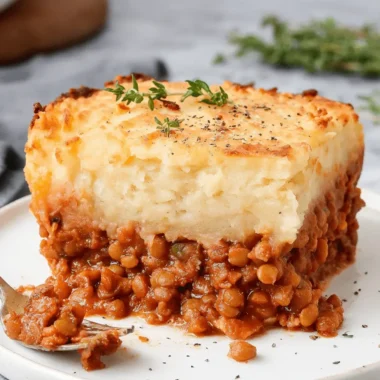
I know baking from scratch can seem daunting, but this recipe is designed to be a confidence-builder for busy cooks. For another satisfying meal that promises ease and flavor, try our foolproof vegan shepherd’s pie. Here is why you will love making this version of Italian Easter Pie:
- A Manageable Homemade Crust: You get the pride of making your own crust, but the method is straightforward and forgiving.
- Unique Savory Flavor Profile: The combination of smoked beef bacon and cured beef sausage creates a deep, smoky richness that stands out from lighter spring dishes.
- Foolproof Assembly: This is not about delicate decoration. It is a rustic, hearty pie that looks beautiful right out of the oven, even if you are a beginner.
- Perfect for Meal Prep: Since this pie needs to set, it is actually better when made ahead, freeing up your time on passing holidays or busy weekends.
Mastering Your Homemade Savory Pie Crust: Aisha’s Foolproof Method
The crust acts as the vessel for all that delicious filling, so we want it to be sturdy but tender. Do not let the idea of dough scare you. I have broken this down to be as simple as possible.
Ingredients for the Savory Pie Crust
- 2 ½ cups all purpose flour
- ½ cup cold butter, cubed ((one stick))
- 2 tablespoons olive oil
- 1 large egg
- 1 teaspoon kosher salt
- 4 tablespoons cold water
Step-by-Step: Making Your Italian Easter Pie Dough
- Prepare the dry base. In a food processor, combine your flour and salt. Add the cold cubed butter, olive oil, and the egg.
- Pulse for texture. Pulse the mixture just until it combines. You fit looking for a texture that resembles coarse sand. Do not overmix here.
- Form the dough. With the processor running, pour in the cold water. Mix just until the dough comes together and forms a ball.
- Chill. Wrap the dough in plastic and refrigerate for at least an hour. This relaxes the gluten and makes rolling easier.
No Food Processor? No Problem. If you do not have a machine, place the flour in a large bowl. Use your fingertips or a pastry cutter to rub the cold butter into the flour until crumbly. Stir in the wet ingredients with a fork until the dough forms, then knead gently with your hands just until it holds together.
Aisha’s Dough Troubleshooting Tips
Even with the best recipes, dough can be tricky. Here is how to fix common issues:
- The dough acts crumbly: If it won’t hold together, add ice water one teaspoon at a time. It should be moist enough to hold a shape but not sticky.
- The crust shrinks while baking: This usually happens if the gluten was not relaxed. Ensure you chill the dough for the full hour before rolling it out.
- The bottom is soggy: To prevent this, make sure your oven is fully preheated to the high temperature (425 degrees) before sliding the pie in. The initial heat blast sets the bottom crispness.
Aisha’s Ingredient Spotlight: Sourcing the Best for Your Italian Easter Pie
Because this recipe relies on a few core ingredients, quality makes a huge difference. You do not need the most expensive items, but you do want ingredients that pack a punch.
Choosing Your Meats
This recipe uses a specific blend of smoked beef bacon and cured beef sausage. For those who appreciate robust and hearty beef dishes, this recipe’s blend of smoked beef bacon and cured beef sausage delivers. The smokiness is essential here. When shopping, look for meats that are well-cured and firm. If you can find a local butcher who smokes their own beef bacon, grab it. The flavor adds a depth that balances the creamy cheese.
Selecting Your Cheeses
The “basket cheese” often used in Italy can be hard to find in standard grocery stores. That is why this recipe uses a reliable trio: ricotta, mozzarella, and parmesan. These are some of the stars of the ultimate Italian herbs and cheese bread.
- Ricotta: Use whole milk ricotta for the best texture. If it looks watery, strain it in a sieve for 20 minutes before mixing.
- Mozzarella: Buy a block of low-moisture mozzarella and shred it yourself. Pre-shredded bags often contain anti-caking agents that stop the cheese from melting smoothly.
- Parmesan: Freshly grated parmesan provides a necessary salty kick that cuts through the richness of the ricotta.
All Ingredients for Your Authentic Italian Easter Pie
Here is exactly what you will need to assemble the full pie, including the dough and the filling.
The Crust
- 2 ½ cups all purpose flour
- ½ cup cold butter, cubed ((one stick))
- 2 tablespoons olive oil
- 1 large egg
- 1 teaspoon kosher salt
- 4 tablespoons cold water
The Filling
- 15 ounces ricotta cheese
- 8 ounces shredded mozzarella cheese ((about a cup))
- 2 ounces shredded parmesan ((about ¼ cup) )
- 4 large eggs, beaten
- 6 ounces diced smoked beef bacon ((about 1 ½ cups))
- 2 ounces chopped cured beef sausage ((about ½ cup))
- 2 ounces chopped smoked beef bacon ((about ½ a cup))
- ½ teaspoon kosher salt
- ¼ teaspoon pepper
For Assembly
- 1 large egg, beaten
How to Make Your Italian Easter Pie (Step-by-Step Instructions)
- Prepare the dough. In a food processor fitted with the blade attachment, combine the flour, cold cubed butter, olive oil, egg, and salt. Pulse just until the mixture is combined; it should resemble coarse sand. With the food processor running, pour 4 tablespoons of cold water in and mix until the dough comes together and forms a ball.
- Chill the dough. Lay out a piece of plastic wrap. Dump the dough on to the plastic wrap and press together into a disk shape. Wrap in plastic wrap and refrigerate for at least an hour or overnight.
- Mix the filling. In a large bowl, combine all of the filling ingredients, and mix until combined. Set aside.
- Prepare the crust. Preheat oven to 425 degrees. Divide the dough into two pieces: two-thirds for the bottom crust and one-third for the top crust. On a lightly floured surface, roll out the larger piece of dough into a circular shape. Carefully place the dough in a greased springform pan and line the insides and bottom with it. You can use any scrap pieces to fill in the gaps in the pan.
- Fill the pie. Pour the ricotta filling into the crust. Use a spatula to smooth and even it out.
- Top and seal. Roll out the remaining pie crust into a circle. Place it over top of the ricotta filling. Trim any excess overhang and use the side crust to roll over the top crust of the pie. Brush the pie with a beaten egg and make a small “x” shape in the middle of the pie to allow steam to escape.
- Bake. Place the pie on the middle rack of the preheated oven and immediately reduce the temperature to 350 degrees. Bake for about 75 minutes or until the crust is golden brown. Let cool for five minutes before removing the collar; let sit for another 10 minutes before slicing and serving.
Pro Tip: Perfecting Your Crust Seal
When you roll the side crust over the top crust, dampen your fingers with a little water. Pinch the doughs together firmly. This creates a tight seal that keeps all that delicious cheese from bubbling out during the long bake.
Pro Tip: Achieving a Golden-Brown Top
Do not skip the egg wash in Step 6. It acts as the glue for the crust and gives the final Pizza Rustica that professional, glossy, golden sheen. If you find the top is browning too quickly before the 75 minutes are up, gently tent a piece of foil over the top for the last 15 minutes of baking.
Italian Easter Pie Variations & Substitutions
Cooking should fit your life and your pantry. Here are ways you can adapt this Italian Easter Pie recipe.
Meat Substitutions
| Ingredient | Substitution Options | Flavor Profile Notes |
|---|---|---|
| Smoked Beef Bacon | Turkey Bacon, Pastrami | Turkey bacon is leaner/lighter. Pastrami adds a peppery spice. |
| Cured Beef Sausage | Beef Salami, Pepperoni | Pepperoni adds a spicy oil release. Salami offers a milder, tangier cure. |
Cheese Swaps
| Ingredient | Substitution Options | Texture/Flavor Notes |
|---|---|---|
| Mozzarella | Provolone, Fontina | Provolone adds sharpness. Fontina is nuttier and melts beautifully. |
| Parmesan | Pecorino Romano, Asiago | Pecorino is much saltier, so reduce added salt. Asiago is milder. |
Vegetarian Italian Easter Pie Adaptation
You can easily make this meat-free. Omit the bacon and sausage entirely. Instead, stir in 1 cup of chopped, cooked spinach (squeezed very dry) and ½ cup of chopped artichoke hearts. You may want to increase the parmesan slightly to make up for the lost savoriness of the cured meats.
Gluten-Free Crust Options
To make this gluten-free, substitute the all-purpose flour in the crust with a high-quality “Cup for Cup” or “1-to-1” Gluten-Free Baking Flour blend. These blends usually contain xanthan gum which mimics the structure of gluten. The filling is naturally gluten-free.
Adapting for Different Sizes
- Sheet Pan: Roll the dough into a large rectangle and bake it in a jelly roll pan for thinner slices. Reduce baking time by roughly 15-20 minutes.
- Individual Pies: Use a muffin tin to make mini Pizza Rusticas. Cut smaller circles of dough, reduced baking time to 25-30 minutes.
Aisha’s Top Tips for Italian Easter Pie Success
The Importance of Cooling Your Italian Easter Pie
This is the hardest part, but you must be patient. The filling is essentially a savory custard. If you slice into it while it is piping hot, the filling will be runny and fall apart. Allowing it to cool sets the structure, resulting in that dense, clean slice everyone loves.
Make-Ahead & Storage Tips
Because cooling is so important, this pie is perfect for making the day before.
- Storage: Keep leftover pie wrapped tightly in the refrigerator for up to 4 days.
- Reheating: Serve it cold, at room temperature, or warm. To warm it up, place slices in a 300-degree oven for 10-15 minutes. Avoid the microwave, as it makes the crust soggy.
Serving & Pairing Suggestions for Your Italian Easter Pie
This dish is rich and filling, so keep the sides light and acidic.
- A crisp arugula salad with a lemon vinaigrette perfectly cuts through the heavy cheese.
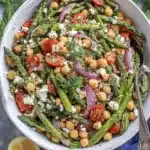
- Roasted asparagus with garlic makes a lovely spring vegetable side.
- Wine Pairing: An Italian Chianti or a crisp Pinot Grigio pairs beautifully with the salty meats and cheeses.
Frequently Asked Questions about Italian Easter Pie
Can I freeze Italian Easter Pie?
Yes, you can. Bake the pie fully and let it cool completely. Wrap it tightly in two layers of plastic wrap and one layer of foil. Freeze for up to 2 months. Thaw it in the refrigerator overnight before reheating.
Do I have to eat this pie hot?
Traditionally, Italian Easter Pie is often served at room temperature or even cold. This makes it excellent for brunch buffets or picnics where keeping food piping hot is difficult.
Can I buy store-bought crust instead?
If you are very short on time, you can use store-bought refrigerated pie crusts. However, the homemade dough in this recipe is sturdier and holds up better to the heavy meat and cheese filling.
Conclusion
I hope this recipe helps you feel comfortable and confident tackling a classic. There is something so rewarding about pulling this golden, fragrant Italian Easter Pie out of the oven, knowing you made it with your own hands. It turns a simple meal into a celebration, and that is what cooking is all about.
I would love to hear how your pie turns out! Did you stick to the beef bacon or try a different twist? Leave a comment below and share your kitchen wins with me. Let’s keep cooking simply and joyfully together.
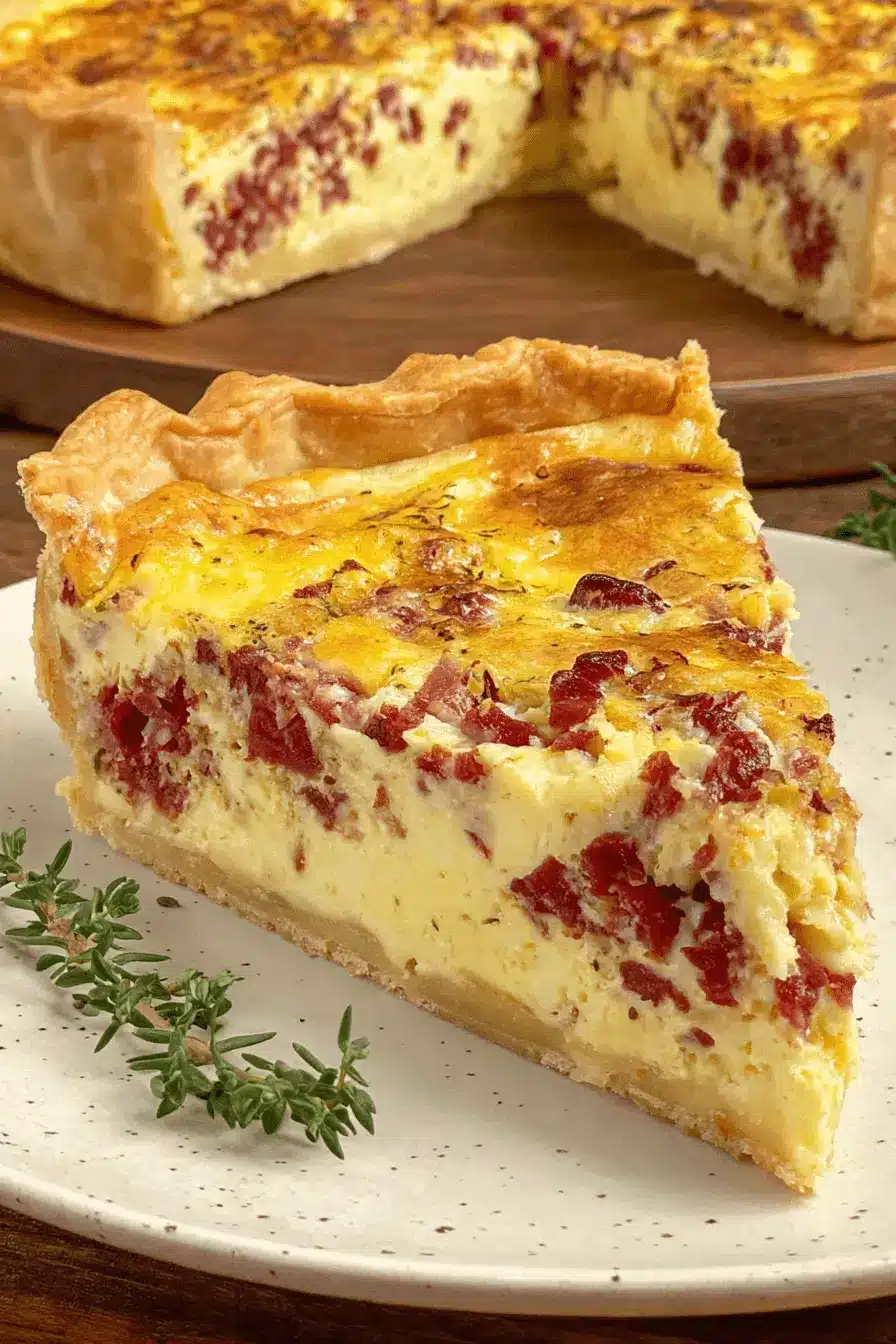
Italian Easter Pie
Ingredients
Equipment
Method
- Combine flour, cold butter, olive oil, egg, and salt in a food processor until the mixture resembles coarse sand. With the processor running, add cold water until the dough forms a ball.
- Transfer the dough to plastic wrap, press into a disk, and refrigerate for at least an hour or overnight.
- In a large bowl, combine all filling ingredients and mix thoroughly; set aside.
- Preheat oven to 425°F. Divide the dough into two-thirds for the bottom crust and one-third for the top. Roll out the larger dough portion and carefully line a greased springform pan.
- Pour the prepared ricotta filling into the crust, then use a spatula to smooth and even it out.
- Roll out the remaining dough, place it over the filling, trim excess, and seal the edges by rolling the side crust over the top. Brush the top with a beaten egg and cut a small "x" in the center for steam release.
- Place the pie in the preheated oven, immediately reduce temperature to 350°F, and bake for about 75 minutes until golden brown. Let cool for five minutes before removing the springform collar, then rest for another 10 minutes before slicing and serving.