
Welcome to AishaRecipes! If you’re anything like me, you know the feeling of staring into the fridge after a long workday, wondering how to turn a few ingredients into something that feels like a warm hug. That is where these homemade cabbage dumplings come in.
Cooking hasn’t always been easy for me. When I first moved to the U.S., I missed the flavors of home but felt overwhelmed by complicated recipes. I learned that making food from scratch, like dumplings, doesn’t have to be scary. In fact, it can be incredibly relaxing. This recipe is a perfect weekend project or a meal prep superstar, taking about 1 hour and 30 minutes from flour to feast. Whether you want a traditional chewy wrapper or a lighter low-carb version, I’m here to guide you through every step.
Why You’ll Love Making Homemade Cabbage Dumplings
I know life is busy, but making these dumplings is worth every minute. Here is why this recipe has become a staple in my kitchen:
- Incredible Flavor Depth: We aren’t just using plain ground meat here. The combination of smoked beef bacon, dried shrimp, and Sichuan pepper creates a savory, smoky, umami-packed filling that is hard to find in store-bought versions.
- Therapeutic Process: There is something so satisfying about kneading dough and folding dumplings. It helps me disconnect from the stress of the day and focus on creating something beautiful with my hands.
- Freezer Friendly: These are a busy adult’s best friend. You can make a big batch, freeze them, and cook them directly from frozen in minutes on those hectic nights when cooking feels impossible.
- Total Control: When you make it yourself, you control the salt, the quality of meat, and the veggies. No mystery ingredients, just pure, comforting goodness.
Cabbage Dumplings: Choosing Your Style – Traditional vs. Cabbage-Wrapped
Before we grab our aprons, I want to clarify what we are making today. The core recipe below focuses on authentic, Chinese-style cabbage dumplings with homemade wheat flour wrappers. This is the comfort food classic that features a chewy, satisfying dough encasing a juicy filling.
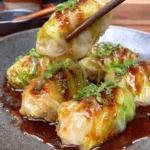
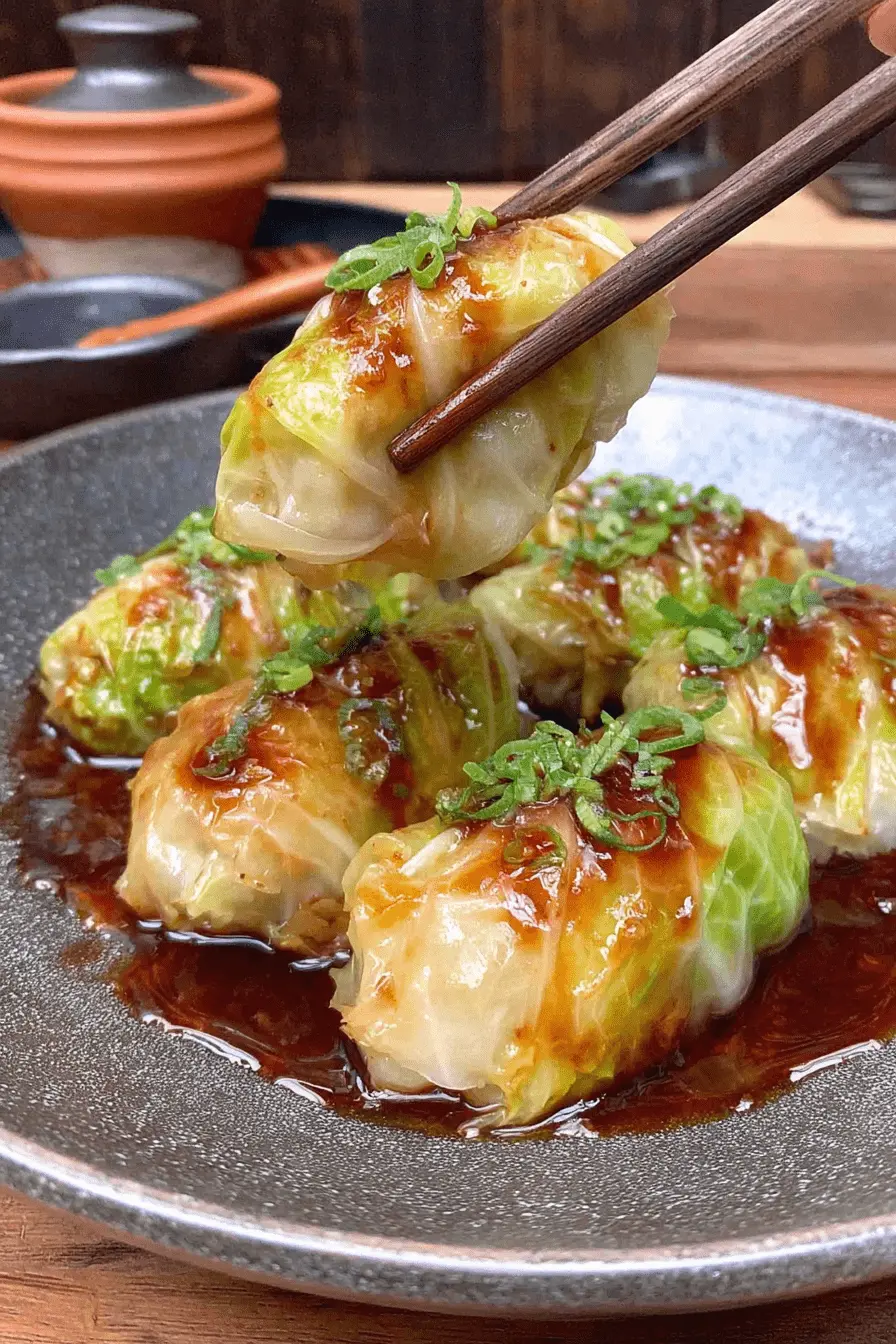
However, I know many of you are looking for lighter options. If you are watching your carbs or avoiding gluten, don’t worry. Later in this post, I will share a special section on how to use this exact delicious filling to make “cabbage-wrapped dumplings,” where the cabbage leaf acts as the wrapper itself. It is a fresh, crunchy alternative that is just as tasty.
Essential Tools for Crafting Your Cabbage Dumplings
You don’t need a fancy kitchen to make great food, but a few key tools make the process much smoother. Here is what I use to keep things easy:
- Digital Kitchen Scale: Baking is a science, and measuring your flour and water by weight guarantees your dough comes out perfect every time.
- Rolling Pin: A small, sturdy rolling pin helps you get those wrapper edges nice and thin.
- Large Mixing Bowl: You will need plenty of room to knead your dough and another bowl to mix that flavorful filling.
- Colander: This is essential for draining the water from the salted cabbage. Removing that excess liquid is the secret to a filling that isn’t soggy.
- Slotted Spoon: Crucial for gently lowering your dumplings into boiling water and fishing them out safely.
Ingredients for Delicious Cabbage Dumplings
Here is exactly what you need to gather. I stick to this list because the balance of flavors is just right.
For the Dough:
- 250 g all-purpose flour/plain flour (about 2 cups (see note 1))
- 130 g water at room temperature (½ cup+2 tsp (see note 2))
For the Filling:
- ½ head Napa cabbage (aka Chinese cabbage) (about 300g)
- ¼ teaspoon salt
- 250 g minced smoked beef bacon (about 9oz)
- 2 stalk scallions (finely chopped)
- 1 teaspoon minced ginger
- 2 tablespoon light soy sauce
- 1 pinch ground Sichuan pepper (or five-spice powder)
- 1 tablespoon dried shrimp (soaked in 2 tbsp water until soft (see note 3))
- ½ tablespoon sesame oil
For Serving:
- Homemade chili oil
- Black rice vinegar
Step-by-Step Instructions to Make Your Cabbage Dumplings
Let’s get cooking! Follow these steps, and you will have a beautiful meal ready to go.
- In a mixing bowl, add water to flour gradually. Mix with chopsticks or a spatula until no more loose flour can be seen. Combine and knead into a dough.
- Leave to rest (covered) for 10 minutes then knead again until smooth.
- Cover and rest the dough again for 30-60 minutes until it becomes soft (Chinese cooks would say “as soft as an earlobe”).
- If using a machine: Add flour and water into the mixing bowl. Knead on low speed for 8 minutes or so until smooth. Cover and rest for 30-60 minutes.
- Cut Napa cabbage into thin slices then cut across again into tiny pieces. Put minced cabbage into a colander then add salt. Mix well and leave to rest for 10 mins or so (place the colander in a sink or over a plate to collect extracted water).
- Add minced smoked beef bacon, scallions, ginger, light soy sauce, and ground Sichuan pepper to a mixing bowl. Mince rehydrated dried shrimp. Add it to the meat, along with the water in which it was soaked. Stir until the liquid is fully absorbed by the meat.
- Use your hands to squeeze the cabbage in batches to remove any water extracted by the salt. Then put into the bowl. Add sesame oil and mix to combine.
- Divide the dough into three parts. Roll one part into a rope then cut into 10 equal sections (cover the rest to avoid drying out).
- Press each piece into a small disc with the palm of your hand. Use a rolling pin to flatten it into a thin disc. Dust with flour if it sticks. Repeat to finish the rest of the dough.
- Place a spoonful of filling on the wrapper. Seal the wrapper using the technique you’re most comfortable with.
- Bring a pot of water to a full boil over high heat. Gently slide in the dumplings (cook in two batches if using a small pot). Push them around with the back of a spoon to avoid sticking. Cover with a lid.
- When the water comes back to a full boil, add about 120 ml (½ cup) of cold water then cover.
- Repeat the procedure another two times. When fully cooked, the dumplings should be plump and floating on the surface.
- Transfer the dumplings to a colander. Briefly rinse under tap water (make sure it’s drinkable water). Drain and serve immediately.
- Serve the dumplings warm with a mixture of homemade chili oil and black rice vinegar.
Mastering the Art of Homemade Wrappers for Cabbage Dumplings
If the idea of making dough scares you, take a deep breath. I used to be intimidated too, but it’s actually quite forgiving. The most critical step here is resting the dough.
When you first mix the flour and water, the dough might feel tough or lumpy. That is essentially the gluten tightening up. By letting it rest for that initial 10 minutes, and then again for 30 to 60 minutes, you allow the gluten to relax. You are looking for that “earlobe” consistency—soft to the touch and pliable. This relaxation ensures your dough won’t fight back when you roll it, preventing it from shrinking or tearing as you shape your wrappers.
Preparing the Perfect Cabbage Filling: Tips for Texture & Flavor
The filling is the heart of the dumpling, and texture is everything. Napa cabbage is delicious, but it holds a lot of water. If you skip the step of salting and squeezing the cabbage, that water will release during cooking, making your dumplings soggy or causing them to burst.
Mince your cabbage finely, toss it with salt, and really squeeze it out after it rests. I use my hands to wring it out in batches. For the meat, I love adding the water used to soak the dried shrimp back into the smoked beef bacon. This technique ensures the meat is juicy and packed with savory flavor, while the cabbage provides a lovely crunch without the excess liquid.
Folding & Cooking Your Cabbage Dumplings Like a Pro
Folding takes a little practice, but even “ugly” dumplings taste amazing. Place the filling in the center, fold the wrapper in half, and pinch the edges tight. As mentioned in the instructions, you can refer to the tutorial video below (or simple folding guides) to see the technique in action. The goal is simply a tight seal so the juices stay inside.
For boiling, we use a traditional method called “Dian Shui” (adding water). By adding cold water three separate times when the pot boils, you lower the temperature slightly. This prevents the vigorous boiling water from tearing the delicate wrappers while allowing the filling inside to cook through thoroughly. It ensures the outside is chewy and the inside is perfectly done.
Serving Suggestions & Dipping Sauces for Your Cabbage Dumplings
I serve these straight from the colander while they are hot. The classic pairing is a simple mixture of homemade chili oil and black rice vinegar. The acidity cuts through the richness of the smoked beef bacon beautifully.
If you want to switch it up, try a garlic-soy dip or a sesame paste sauce for a creamier texture (check out my post on “Six Dumpling Sauces” for more ideas!). To make this a complete meal, I like to pair these with a smashed cucumber salad or some simple steamed greens with oyster sauce. It creates a balanced, nutritious dinner that my family loves.
Cabbage-Wrapped Dumplings: A Low-Carb Alternative
If you want to skip the dough, you can use the same delicious filling to make cabbage-wrapped dumplings. This is a fantastic gluten-free option.
Choose large, vibrant Napa cabbage leaves for this. Carefully blanch the whole leaves in boiling water for about a minute until they are pliable, then shock them in ice water to stop the cooking. Trim the thick, hard part of the white stem so the leaf rolls easily. Place a spoonful of the meat filling at the stem end, roll it up like a burrito, tucking in the sides as you go. You can steam these for about 10-12 minutes or pan-fry them gently until the filling is cooked through.
Variations & Substitutions for Cabbage Dumplings
I encourage you to use what you have. Here is a handy guide if you need to swap ingredients:
| Ingredient | Substitution | Notes |
|---|---|---|
| Ground Smoked Beef Bacon | Ground pork, chicken, turkey, firm tofu (crumbled) | Adjust cooking time and seasoning as needed. Tofu makes a great vegetarian base. |
| Napa Cabbage | Green cabbage | Green cabbage is tougher, so mince it very finely and let it salt/rest a bit longer to soften. |
| Dried Shrimp | Omit or dried shiitake mushrooms | If omitting for a vegan version, use minced rehydrated dried shiitake for that crucial umami punch. |
| Sichuan Pepper | White pepper, black pepper, or omit | Sichuan pepper has a unique citrusy numbing quality, but black pepper works for simple heat. |
| Homemade Wrappers | Store-bought dumpling wrappers | If you are short on time, store-bought works! Just skip the dough steps and use water to seal the edges. |
Storing & Reheating Your Cabbage Dumplings
These dumplings are incredible for meal prep. To freeze them, place the assembled, uncooked dumplings on a tray lined with parchment paper or dusted with flour. Make sure they aren’t touching. Pop the tray into the freezer.
Once they are completely frozen, transfer them into an airtight plastic bag or container. They will keep well for up to three months. When you are ready to eat, do not defrost them! Just drop the frozen dumplings directly into boiling water and follow the same cooking instructions, perhaps adding an extra minute if needed. If you have leftover cooked dumplings, I usually pan-fry them the next day for a crispy treat.
Frequently Asked Questions About Cabbage Dumplings
Can I double or halve this recipe?
Absolutely. The ratios work perfectly. Just be sure to scale the flour and water precisely for the dough to maintain the right consistency.
My filling turned out watery. What went wrong?
This usually happens if the cabbage wasn’t squeezed enough. Don’t be afraid to really wring it out after salting. The salt draws the water out, but your hands have to finish the job!
How do I stop my homemade wrappers from tearing?
Tearing often means the dough is too dry or wasn’t rested enough. Ensure you knead it until smooth and let it rest for the full time. This develops the gluten, making the dough stretchy and strong.
Are cabbage dumplings healthy?
They can be! This recipe uses lean smoked beef and plenty of vegetables. When considering the nutritional content of dumplings, they can be part of a balanced diet. For those looking to understand the calorie count in steamed dumplings, they can be quite reasonable. For an even healthier version, try the cabbage-wrapped alternative I mentioned above to cut down on carbs.
Can I make the filling in advance?
Yes! I actually think the filling tastes better after sitting in the fridge for a few hours. It lets the flavors of the ginger, soy, and spices meld together.
Conclusion
I hope this guide gives you the confidence to try making cabbage dumplings at home. Whether you stick to the traditional recipe or try the low-carb wrap, the most important thing is that you are in the kitchen, creating something nourishing for yourself and your loved ones.
It doesn’t have to be perfect to be delicious. I would love to hear how yours turn out! Leave a comment below with your favorite filling twist, or snap a photo and tag me @AishaRecipes on social media. Let’s keep cooking simple and joyful together!
cabbage dumplings
Ingredients
Equipment
Method
- Gradually add water to flour in a mixing bowl; mix with chopsticks or a spatula until no loose flour remains, then knead into a dough.
- Cover the dough and let it rest for 10 minutes, then knead it again until smooth.
- Cover and rest the dough for another 30-60 minutes until it becomes soft.
- Alternatively, if using a machine, add flour and water to the mixing bowl, knead on low speed for about 8 minutes until smooth, then cover and rest for 30-60 minutes.
- Cut Napa cabbage into thin slices, then mince it into tiny pieces; place the minced cabbage in a colander, add salt, mix well, and let rest for about 10 minutes to extract water.
- In a mixing bowl, combine minced smoked beef bacon, scallions, ginger, light soy sauce, and ground Sichuan pepper; mince rehydrated dried shrimp, add it along with its soaking water to the meat, and stir until the liquid is fully absorbed.
- Use your hands to squeeze excess water from the cabbage in batches, then add the squeezed cabbage to the meat mixture; add sesame oil and mix to combine thoroughly.
- Divide the dough into three parts; roll one part into a rope and cut into 10 equal sections, keeping the remaining dough covered to prevent drying.
- Press each dough piece into a small disc with your palm, then use a rolling pin to flatten it into a thin disc, dusting with flour if it sticks.
- Place a spoonful of filling on the center of a wrapper and seal the wrapper using your preferred folding technique.
- Bring a pot of water to a full boil over high heat; gently slide in the dumplings (cook in two batches if using a small pot) and push them with the back of a spoon to prevent sticking, then cover with a lid.
- When the water returns to a full boil, add about 120 ml (½ cup) of cold water, then cover the pot again.
- Repeat the cold water addition and covering procedure two more times; the dumplings are fully cooked when they are plump and floating on the surface.
- Transfer the cooked dumplings to a colander, briefly rinse under drinkable tap water, drain, and serve immediately.
- Serve the dumplings warm with a mixture of homemade chili oil and black rice vinegar.
- To freeze uncooked dumplings, place them on a tray lined with parchment paper or dusted with flour, then put them into the freezer until completely frozen.
- Once frozen, transfer them into an airtight plastic bag or container and use within three months; no need to defrost before cooking, just follow the boiling instructions.